
Answering Your Questions About Training with Dog Treats
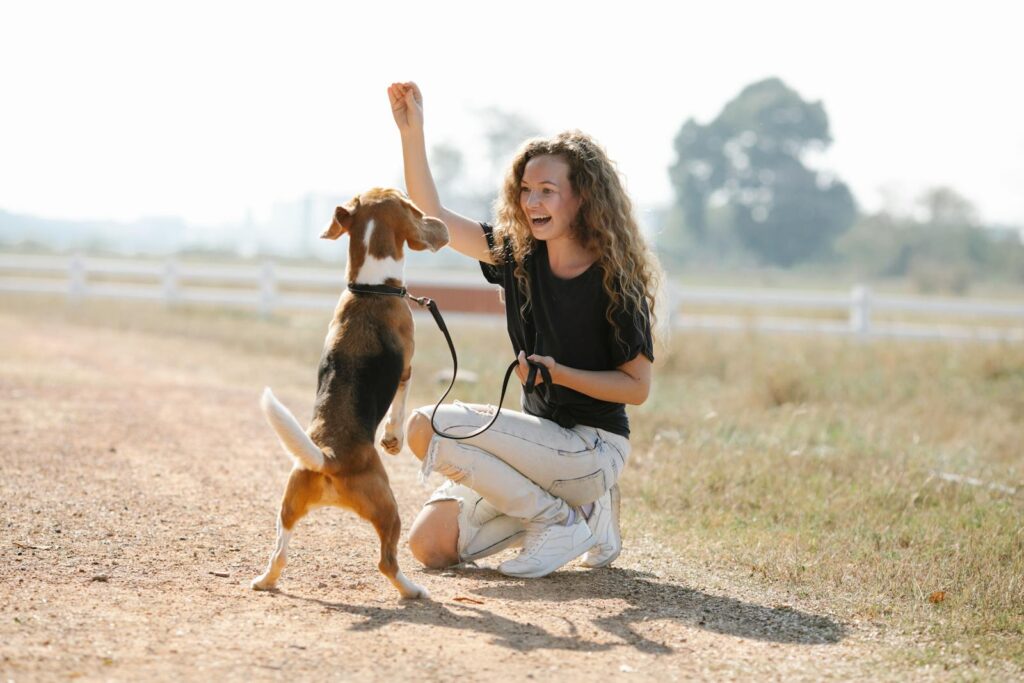
You probably don’t want to be that pet owner. You know, the one with an uncontrollable dog. Not only is the behavior upsetting for the dog and their owner, but anyone else close by probably isn’t going to be thrilled.
If you want to be a responsible dog owner, training is more than a necessity. It’s absolutely essential. Dog training isn’t easy, no matter the breed. However, using treats for dogs can make training less stressful and even fun! Have a few questions about using pet treats for dog training? Don’t worry, we’re answering some of your commonly asked questions.
Will I Always Need to Use Treats for Dogs During Training?
If you start using dog treats during training, you’ll want to keep them around. Over time, you’ll use dog treats less often, but your furry companion is still going to expect and deserve one every now and then.
However, keep in mind that treats shouldn’t always be the primary form of reinforcement throughout later training sessions. Just because you use them initially doesn’t mean you need to keep handing them out at the same pace.
You’ll be rewarding your pooch with a dog training treat for nearly every repeat when you first start. But as your dog advances, you’ll start substituting real-world incentives for goodies. Your dog may occasionally still receive a treat as compensation for a job well done. This helps them to continue obeying your commands. Think of the treat as positive reinforcement.
Are Dog Treats a Good Way to Show Positive Reinforcement?
Dogs do crave their owners’ approval and wag their tails every time they’re praised. So, is this enough positive reinforcement during training? Probably not, at least not during the initial stage. Praise isn’t quite as motivating as getting a piece of a tasty dog treat.
Many pet owners like to believe their dogs will be willing to perform tricks for them because it makes them happy. This can eventually be true, but first, you’re probably going to need something more sensory enticing to get your dog to start paying attention during training.
Dogs tend to see food as a main reinforcer. Most dogs have strong food drives (the motivation to labor for food). Food is a key reinforcer because your dog needs it to survive. Even if they’re not hungry, your dog’s seemingly endless stomach doesn’t agree.
Since dogs have an innate predisposition to learn which behaviors will gain them food, treats can be extremely effective at showing positive reinforcement.
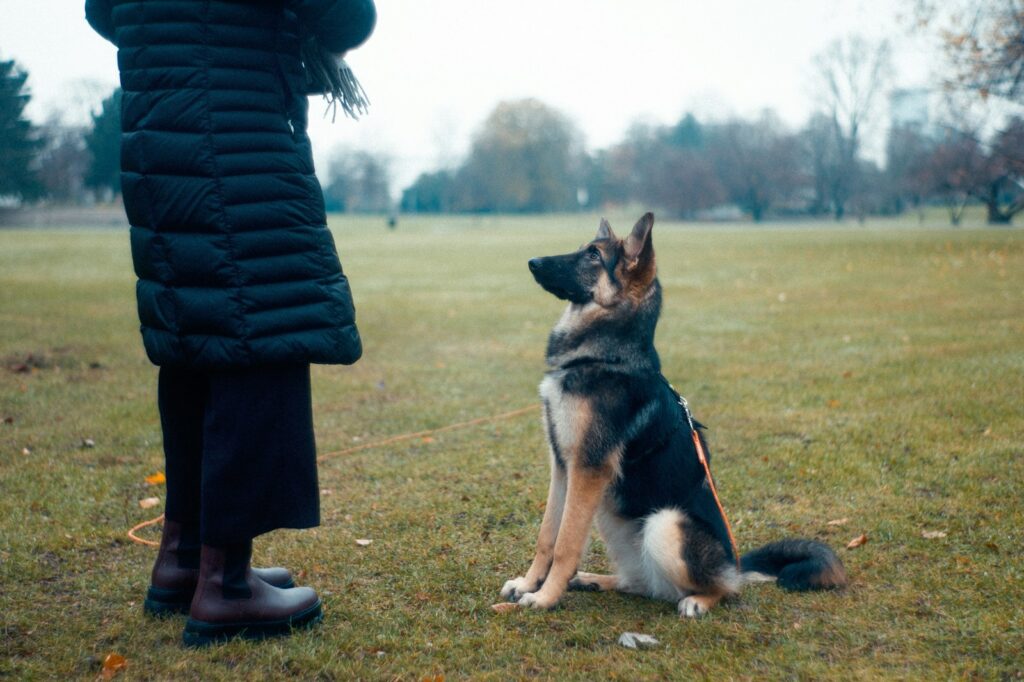
Is There a Difference Between Using Dog Treats for Bribes vs Positive Reinforcement?
Dog treats can easily become bribes instead of tasty training tools. You don’t want your pooch to start looking at dog treats as bribes. If this happens, training is out the window. Every time you want your dog to listen to a command, they’re going to expect a delicious bribe.
Preventing this bit of confusion is pretty easy. You’re going to use the lure and prompt method whenever your dog gets a training treat. When training your dog using a lure, it’s crucial to move over as soon as possible to what’s known as a prompt. The only difference between a prompt and a lure is that a prompt does not conceal food in the hand.
Many dogs become so accustomed to following a lure that they can easily follow a hand motion cue since they know it always heralds the arrival of something delicious. In other words, you’re not hiding a treat in your hand for your dog to sniff out. When it’s time to reward your furrball, simply give them the reward without any fuss.
Are Treats for Dogs a Pain to Use For Training?
Dog treats are easy to use to reward your pooch for good behavior. Just remember to use the lure and prompt method. This means consistently, so don’t switch up with a bride every once in a while. All you’re doing is possibly confusing your pet.
When training your dog using a lure, it’s crucial to transfer over as soon as possible to what’s known as a prompt. The only difference between a prompt and a lure is that a prompt does not conceal food in the hand. Many dogs become so accustomed to following a lure that they can easily follow a hand motion cue since they know it always heralds the arrival of something delicious.
Treats for dogs can be effective during training, just be careful your pooch doesn’t think you’re bribing their good behavior.