
Bear Hibernation Season in Boulder: Safety Tips and What You Need to Know

Aerial Photography In Boulder, Colorado
As the days grow shorter and the nights cooler, Boulder residents share their neighborhoods not only with students, hikers, and cyclists but also with some very large, very hungry neighbors—bears. With hibernation season approaching, bears are busy preparing for winter, and that means they’re more active than usual. Understanding their behavior and taking a few simple precautions can help keep both you and Boulder’s beloved wildlife safe.
Why Bears Are on the Move
From late summer into fall, bears enter a state called hyperphagia—essentially a feeding frenzy before hibernation. During this time, they can eat up to 20,000 calories a day, building fat reserves to survive the long winter months. In Boulder, this often means bears are drawn from higher elevations down into town, lured by easy access to food sources such as garbage cans, bird feeders, and fruit trees.
Fun fact: black bears, the most common species in Boulder, aren’t true hibernators. While they do enter a deep sleep through the winter, they can wake up if disturbed and may even wander on warmer days.
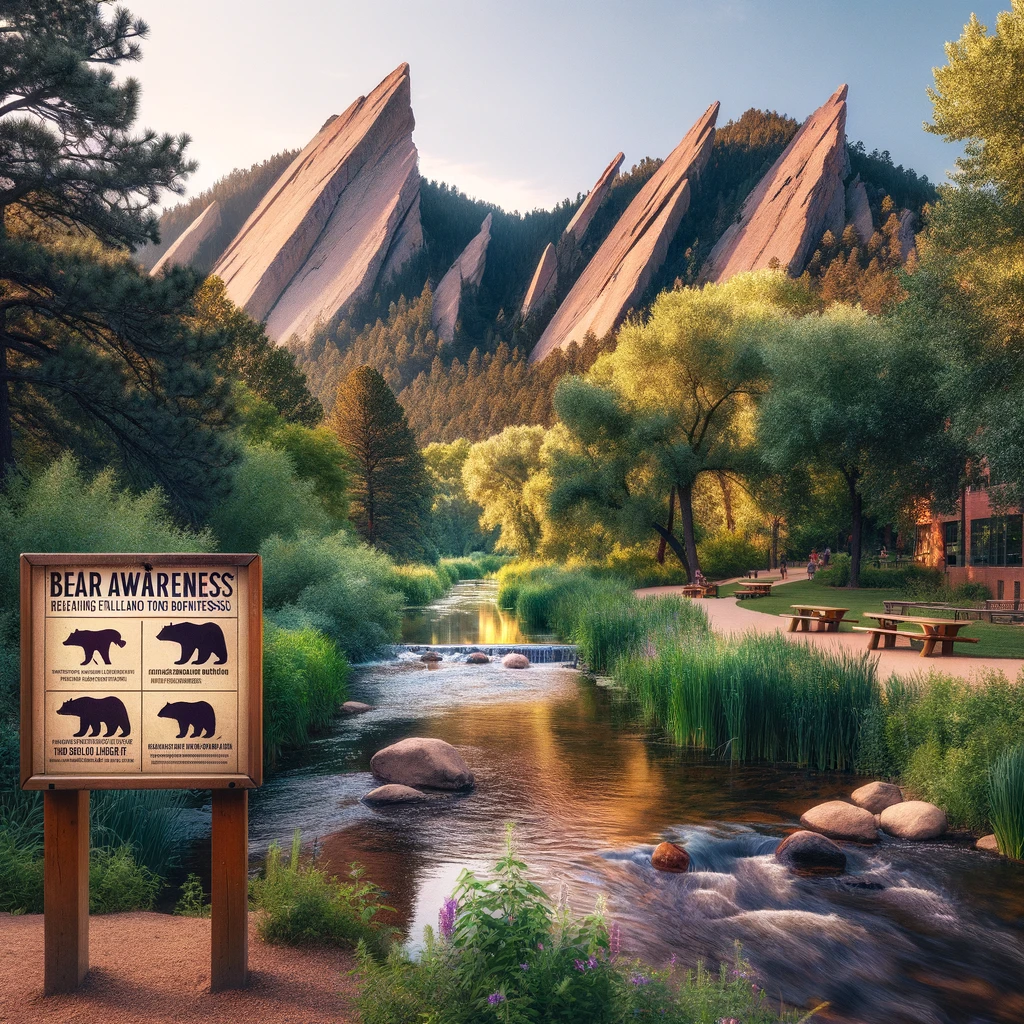
Staying Safe Around Boulder’s Bears
While bear sightings in Boulder can feel magical, it’s important to remember that these are powerful wild animals. Here are a few tips to keep both you and them safe:
-
Secure Your Trash: Use bear-proof containers and avoid leaving trash outside overnight. This is one of the biggest attractants.
-
Bring in Bird Feeders: Bears love easy calories, and feeders are basically fast food for them. Store them away until spring.
-
Pick Your Fruit Trees: Fallen apples or plums are an open invitation for a bear buffet.
-
Hike Smart: If you’re heading into bear country around Chautauqua, Mount Sanitas, or Boulder Canyon, hike in groups, make noise, and carry bear spray.
-
Stay Calm if You See One: Do not run. Stand your ground, wave your arms, and speak calmly. Slowly back away while giving the bear plenty of space.
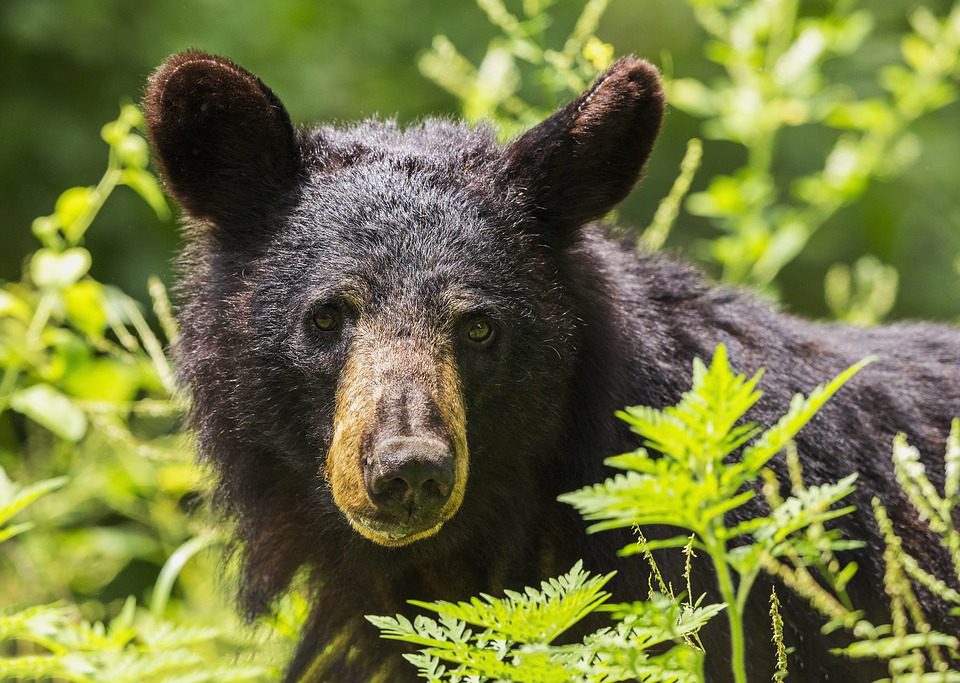
Boulder’s Longstanding Coexistence with Bears
Boulder has a deep respect for wildlife, and residents have long adapted to seasonal bear activity. In fact, Boulder was one of the first cities in Colorado to mandate bear-resistant trash containers in certain neighborhoods. This effort has dramatically reduced conflicts, though it’s still common to see bears wandering through alleys or backyards in the fall.
Interestingly, researchers tracking Boulder’s bear population have found that many of them return year after year to the same neighborhoods, drawn by familiar food sources. That means if a bear has found an unprotected trash can once, it may come back looking for seconds.
The Bottom Line
Bear hibernation season in Boulder is a reminder that we live in a uniquely wild and beautiful place. By being mindful of how we store food and interact with wildlife, we can ensure a safer community for everyone—human and bear alike.
So as the Flatirons turn golden and the air gets crisp, keep your eyes open. You may just spot one of Boulder’s most iconic residents preparing for a long winter’s nap. Just make sure it’s from a safe distance.