
Boulder and Lightning Season: What You Need to Know to Stay Safe
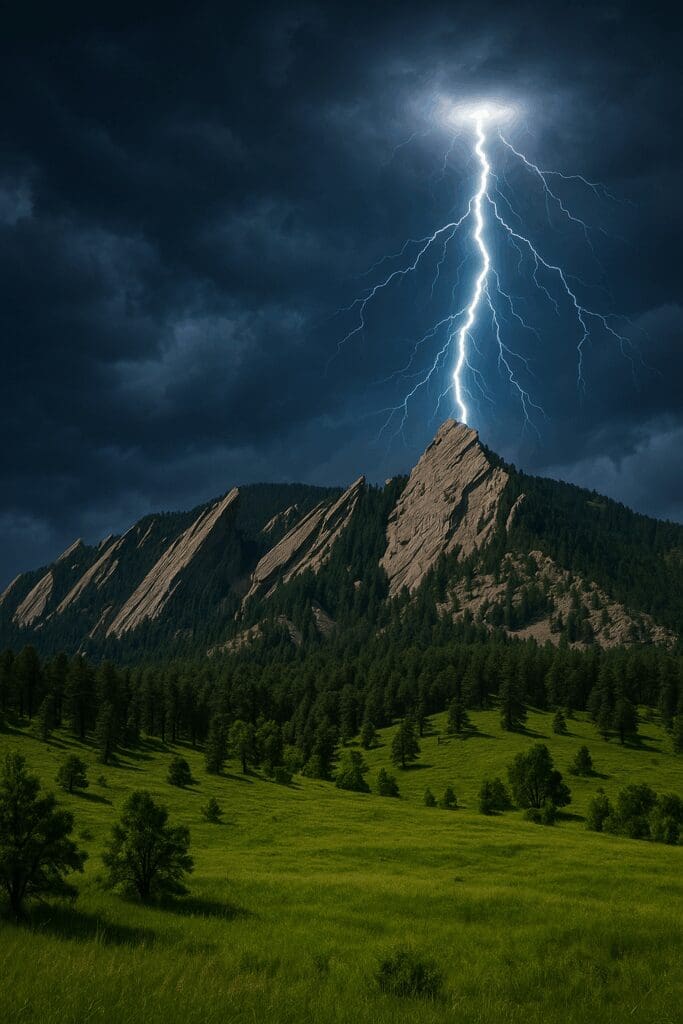
Summer in Boulder, Colorado, brings wildflowers in full bloom, sunsets that stretch across the Flatirons, and—like clockwork—dramatic afternoon thunderstorms that sweep across the mountains. Lightning season typically runs from late May through early September, peaking in July and August. While these storms often pass quickly, their danger is very real, especially for outdoor enthusiasts.
Why Boulder Sees So Much Lightning
Boulder sits at the edge of the Rocky Mountains, where moist air from the plains collides with dry, rising mountain air, creating the perfect setup for thunderstorm development. The combination of elevation and geography means that even a sunny morning can end in a loud, bright storm by mid-afternoon. In fact, Colorado averages over 500,000 lightning strikes per year, and Boulder County is one of the more active areas.
When to Watch the Skies
Most lightning strikes in Boulder occur between 12 p.m. and 6 p.m., especially during hot summer afternoons. Hikers, bikers, climbers, and swimmers should plan to get off trails and out of open areas by noon during lightning season.
Key safety tip: If you see dark clouds forming over the mountains, head to safety immediately. Lightning can strike miles away from a storm’s center—sometimes as far as 10 miles out.
Where to Be During a Storm
The safest places during a thunderstorm are:
-
Inside a building with plumbing and electricity.
-
Inside a car, as the metal frame can deflect lightning (windows closed).
Avoid these during a storm:
-
Open fields, mountaintops, and ridgelines.
-
Isolated trees or rock outcroppings.
-
Water (lakes, creeks, pools).
-
Metal objects like fences, bikes, or climbing gear.
What to Do If You’re Caught Outside
If you’re in the backcountry and can’t reach shelter:
-
Avoid high ground. Get to lower elevation fast.
-
Spread out if you’re in a group—lightning can hit one person and travel through the ground.
-
Crouch low, minimizing contact with the ground. Do not lie flat.
For a detailed safety checklist, visit the National Weather Service lightning safety guide.
What Boulder Is Doing About It
Local officials have posted lightning awareness signs at popular trailheads like Chautauqua, Bear Peak, and Mount Sanitas. Boulder Open Space & Mountain Parks also closes some trails when lightning risk is high. Always check the official trail conditions before heading out.
And for those staying in town? Summer storms are often short-lived but powerful. Watching lightning from a safe indoor window—with the Flatirons as a backdrop—is one of Boulder’s underrated experiences.
To discover more safe summer activities, dining, and family-friendly ideas during lightning season, check out what’s trending here.