
Boulder Bear Season Has Begun: What You Need to Know Right Now

Something powerful is waking up in Boulder—and it’s not just spring.
As temperatures rise along the Front Range, black bears across Boulder County are beginning to emerge from hibernation. For locals and visitors alike, this marks the unofficial start of bear season, a time when sightings increase and awareness becomes essential.
Bears Are Waking Up Across Boulder
In Colorado, black bears typically begin waking up between mid-March and early April, depending on weather and elevation. Adult males are usually the first to emerge, followed by females and mothers with cubs.
After months without food, bears come out of hibernation extremely hungry. Their first priority is simple: find calories, and find them fast.
That search often brings them closer to people.
Why You May Start Seeing More Bears
Early spring is one of the most active times for bear movement. Natural food sources are still limited, so bears look for easy, high-calorie options.
In Boulder, that often means:
- Neighborhood trash cans
- Bird feeders
- Pet food left outside
- Even food left in unlocked cars
Areas near the foothills are especially active, but sightings have increasingly been reported throughout town in recent years.
Bears are incredibly smart and adaptable. Once they find a reliable food source, they will return.
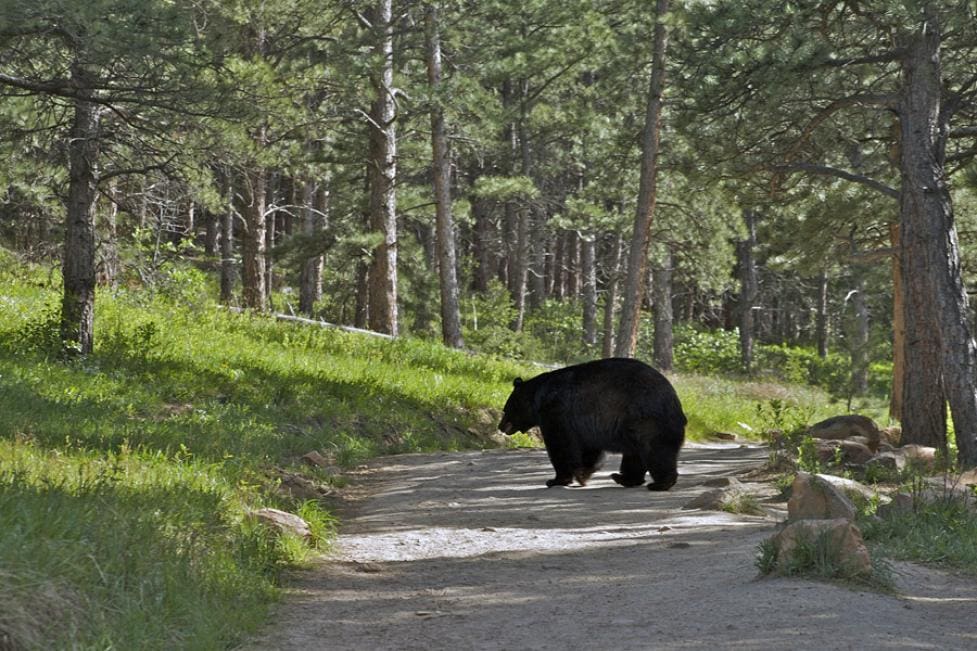
What To Do If You Encounter a Bear
Seeing a bear in the wild can be an unforgettable experience, but knowing how to respond is critical. Most bears want to avoid people, but the way you react can make all the difference. Staying calm, giving the bear space, and avoiding sudden movements helps keep both you and the animal safe.
If you encounter a bear, follow these key steps:
- Stay calm and do not run
- Make yourself look larger by raising your arms
- Speak in a calm, firm voice so the bear knows you are human
- Slowly back away while keeping your eyes on the bear
- Never turn your back or make sudden movements
- Keep a safe distance and give the bear an escape route
- If hiking, keep dogs close and under control
The Most Important Weeks of Bear Season
Right now is one of the most critical periods of the year.
In these early weeks, bears are:
- Hungry after months of fasting
- Rebuilding strength and body weight
- Exploring new territory
This combination can lead to more frequent sightings and unpredictable behavior.
It’s not that bears are aggressive—it’s that they are focused on survival.
Simple Steps to Stay Bear Aware
Living in Boulder means sharing space with wildlife, and a few simple habits go a long way:
- Secure trash in bear-resistant containers
- Remove bird feeders during bear season
- Never leave food in your car
- Clean grills and outdoor cooking areas
- Stay alert when hiking, especially at dawn and dusk
The goal is simple: don’t give bears a reason to come back.
Why Boulder Will Always Be Bear Country
Boulder’s foothills and open spaces create the perfect habitat for black bears. This isn’t new—bears have always been part of the landscape here.
What’s changing is how often our worlds overlap.
As the city grows and natural food sources fluctuate, encounters become more common. Awareness and respect are what keep both people and wildlife safe.
A Season of Awareness
Bear season isn’t something to fear—it’s something to respect.
Seeing a bear in the wild can be an incredible experience. It’s a reminder of what makes Boulder so unique: a place where nature still plays a leading role in everyday life.
But with that comes responsibility.
As bears return to the landscape this spring, a little awareness goes a long way in keeping Boulder safe—for everyone.