
Boulder Winter Magic: Boulder Lake Framed by Green Mountain and Bear Peak
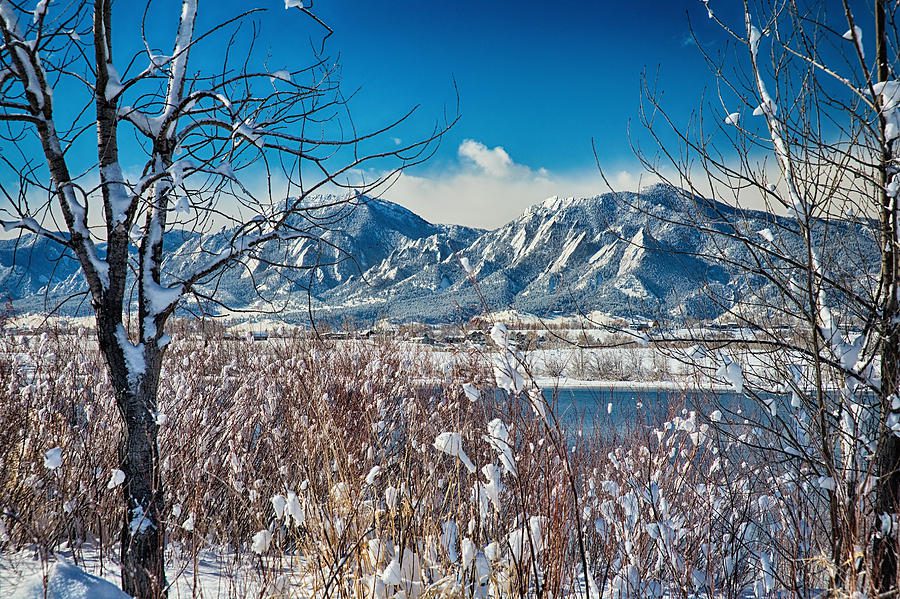
There are Boulder days that stop you in your tracks, and this is one of them.
This Outdoor Picture of the Day captures a lake in east Boulder on a crystal-clear winter morning, where still water mirrors the surrounding foothills and the Front Range rises with quiet confidence. The lake sits calm and reflective, while Green Mountain and Bear Peak anchor the horizon, reminding us exactly why Boulder winters feel so dramatic and alive.
Winter has a way of sharpening everything here—the light, the air, the colors. Greens stay rich on sun-facing slopes, snow lingers in shaded folds, and the elevation of each peak becomes more noticeable against the deep blue Colorado sky.
A Lake That Reflects the Season
This Boulder Lake feels especially powerful in winter. Without summer crowds or rippling winds, the water becomes a natural mirror. On mornings like this, the surface reflects Green Mountain’s broad shoulders and Bear Peak’s steeper profile with near-perfect clarity.
The stillness isn’t empty—it’s intentional. This is the kind of quiet that Boulder does best. Crisp air, open space, and the sense that nature is fully awake even while the city below moves a little slower.
These winter conditions are typical during high-pressure systems that bring clear skies, strong visibility, and cold overnight lows, especially along the Front Range foothills during January and February, as outlined by the National Weather Service.
Matching the Peaks to the Landscape
What makes this scene so striking is how clearly each elevation level reveals itself.
Green Mountain rises to approximately 8,144 feet, offering a wide, rolling summit that often holds snow while lower elevations remain green. Bear Peak, just to the south, climbs higher and steeper to around 8,461 feet, giving it that rugged, commanding presence that Boulder locals know well.
Together, these peaks form a natural frame for this beautiful Lake, creating a layered composition—from reflective water to foothills to alpine terrain—that defines Boulder’s winter personality. Elevation differences like these shape microclimates, snow retention, and even how light hits the landscape throughout the day, a phenomenon documented by the U.S. Geological Survey.
Why Boulder in Winter Feels So Alive
This photo captures something essential about Boulder in winter: it’s not dormant—it’s refined.
Trails remain active, lakes stay accessible, and the scenery becomes more architectural. Shadows stretch longer, peaks stand taller, and the contrast between snow and exposed earth tells a deeper story of place.
Moments like this are why Boulder continues to inspire photographers, hikers, and early risers year-round. Even on colder days, the reward is clarity—of views, of thought, and of connection to the land.