
Boulder’s Bee Season Begins: Urban Beekeeping and Spring Pollinator Gardens

How Boulder, Colorado is Creating a Buzz with Pollinator Pathways, Native Gardens, and Community Hives
As the first signs of spring unfold across Boulder, there’s more than wildflowers waking up—bees are back in action, and the city is ready for them. Boulder has become a leader in pollinator preservation, supporting bees, butterflies, and other essential species through community gardens, pollinator-friendly landscaping, and a growing culture of urban beekeeping.
Pollinator Pathways Take Root
Across Boulder, you’ll find intentional pollinator pathways popping up in neighborhoods like Goss-Grove. These corridors, planted with native flora, help connect green spaces and give pollinators a safe route through the city. By planting in both public and private spaces, Boulder is creating a web of blooms that offers food and shelter to pollinators from early spring to late fall.
City programs are encouraging residents to rethink their lawns by replacing non-native grass with vibrant, flowering species like lavender, barberry, golden banner, and bee balm. These changes are more than aesthetic—they’re essential to sustaining native bee populations and preventing habitat loss.

Community Gardens That Give Back
Boulder’s community gardens are doing double duty—feeding residents and pollinators alike. Many of these gardens now include native plant borders, designed to support bee health and biodiversity. From local schools to urban farms, these growing spaces are becoming sanctuaries for pollinators and gathering spaces for education and engagement.
One standout example is the Milk and Honey Farm, where raised beds bloom with flowers, vegetables, and herbs in a setting designed to connect people to the land. These spaces offer hands-on learning and a chance for all ages to participate in growing food and fostering pollinator life.
The Rise of Urban Beekeeping in Boulder
Urban beekeeping is on the rise, with Boulder residents keeping hives in backyards, on rooftops, and within community gardens. These managed hives not only produce local honey but also boost pollination in neighborhood gardens and urban green spaces.
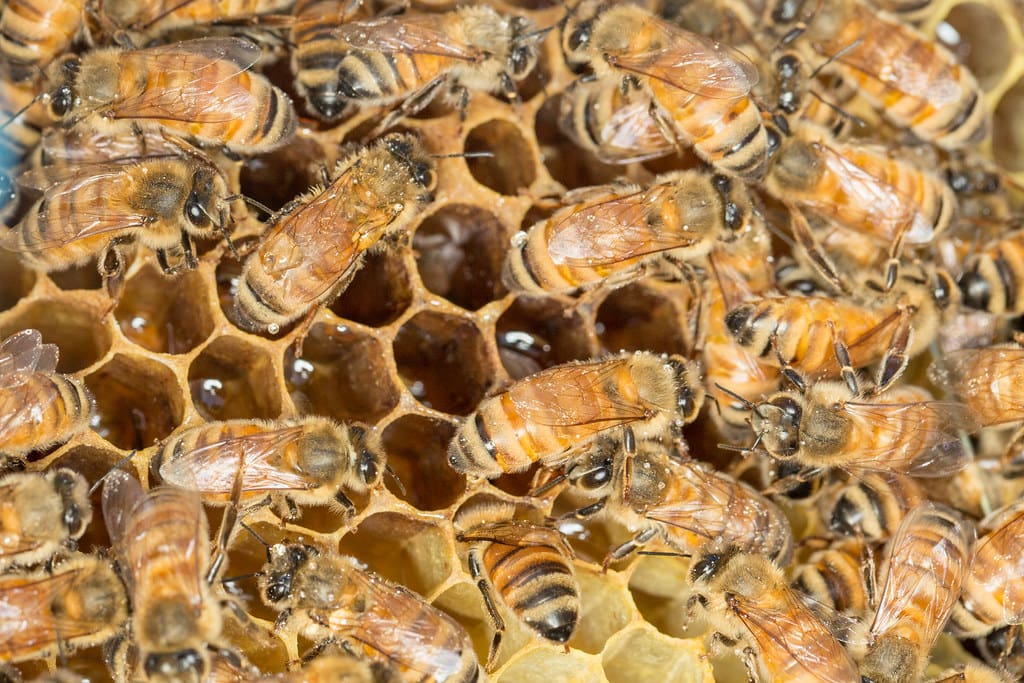
Local beekeepers emphasize the role of these bees in preserving ecological balance and supporting food production. As awareness spreads, classes and clubs have emerged to help beginners learn how to responsibly raise and care for their own hives.
What You Can Do to Help
Want to be part of Boulder’s buzzing ecosystem? Here are a few simple ways to support pollinators this season:
-
Plant native species in your yard or balcony pots to provide bees with seasonal nectar.
-
Avoid pesticides and opt for natural gardening methods.
-
Leave wild spaces—even a patch of bare soil can be a nesting spot for ground-dwelling bees.
-
Build a bee hotel to support solitary pollinators.
As bee season kicks off in Boulder, there’s a growing sense of connection between community, conservation, and climate awareness. From the smallest garden to the largest city initiative, every flower planted makes a difference.
This spring, Boulder is buzzing—and you can be a part of it.