
Boulder’s Ultimate Wind Survival Guide: What to Have When the Power Goes Out

When the winds rip through Boulder, it’s not just a loud night or a few knocked-over trash cans. This is a city where wind can arrive fast, hit hard, and bring real consequences—especially power outages that disrupt heat, charging, cooking, and the basic rhythm of daily life. With more people feeling uncertain during these wind events, the smartest move isn’t panic. It’s preparation.
This guide is built for Boulder. Not generic “survival” talk, not fear-based messaging—just the practical, calming essentials that help you stay safe, warm, and ready when the lights go out.
Why Boulder Wind Often Leads to Power Outages
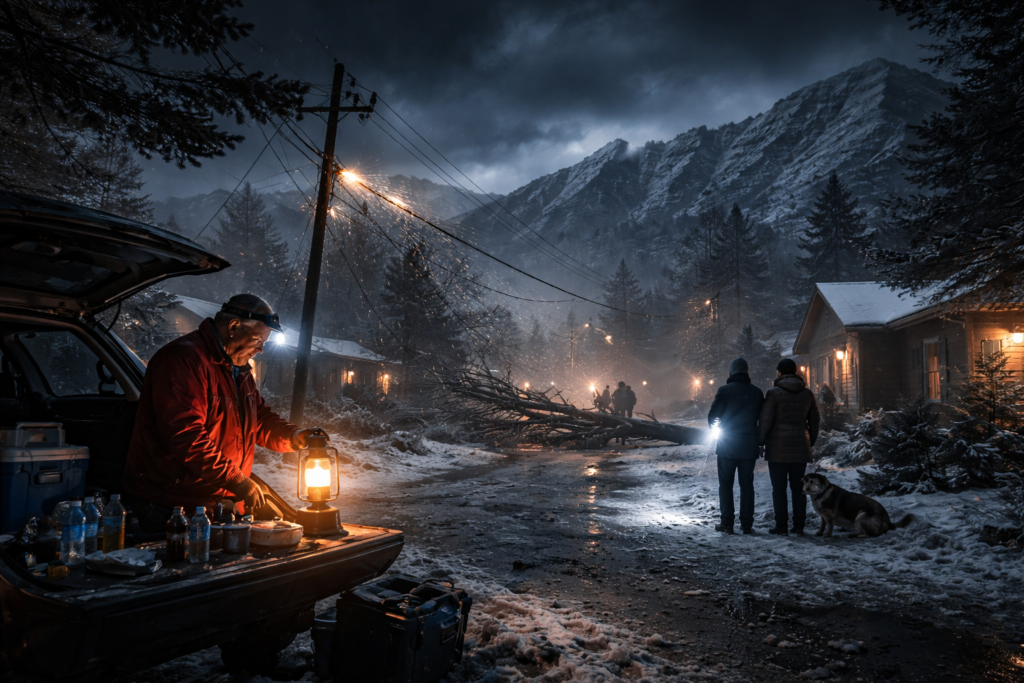
Boulder sits right where the Rocky Mountains meet the open plains, and that geographic transition can intensify wind. When downslope winds push east off higher terrain, gusts can accelerate quickly as they funnel into neighborhoods and across open corridors. That wind can bring down tree limbs, damage power lines, and create conditions that lead to outages.
Sometimes the power goes out because equipment is damaged. Other times, power may be shut off as a safety measure during extreme wind or fire-risk conditions. Either way, the result feels the same: your home suddenly runs on whatever you have ready.
The Ultimate Boulder Wind Survival Kit
You don’t need to buy everything. You just need the right basics—and you need them before the outage hits.
1) Light and Power
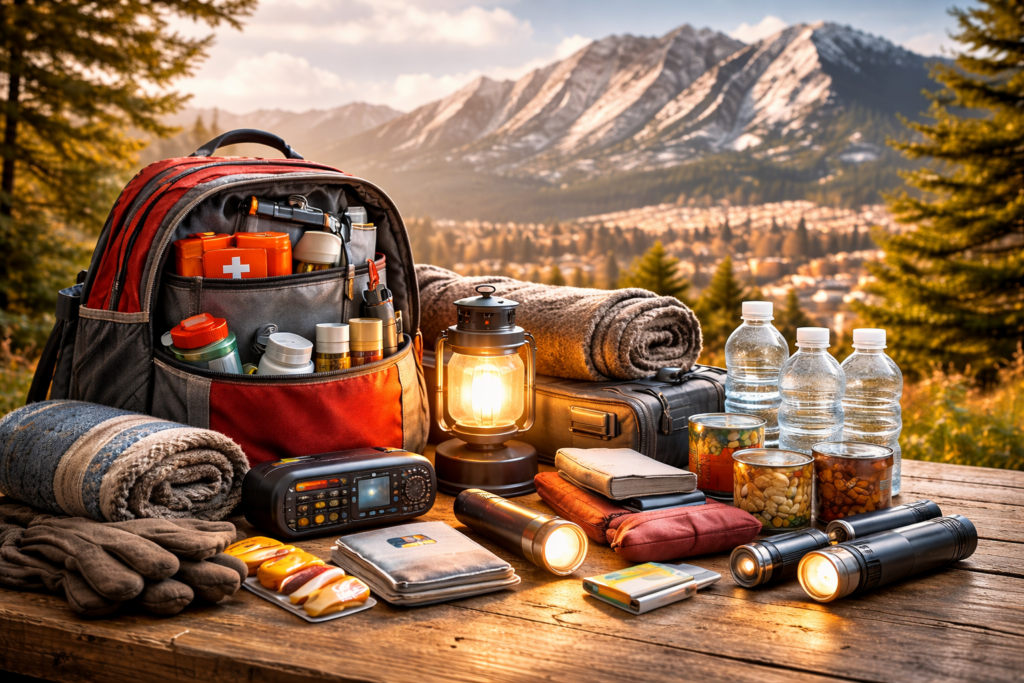
When power goes out, lighting becomes instantly important. Headlamps and flashlights beat candles because they reduce fire risk and free up your hands. Add spare batteries, plus a battery-powered lantern to light up a room. Keep at least one portable power bank charged so your phone doesn’t die when you need it most. If you rely on a medical device or a critical charger, think through a backup plan now, not later.
2) Warmth Without Stress
If the outage happens in cold weather, warmth becomes the main priority. Keep extra blankets accessible, and consider a sleeping bag if you have one. Warm layers matter more than people expect—socks, hats, sweatshirts, and gloves can keep you comfortable indoors. Boulder outages are often manageable if you can stay warm and conserve heat.
If you use any alternate heat source, make sure it’s designed for safe indoor use and follow manufacturer guidance exactly. The goal is comfort and safety—never improvisation.
3) Water and Food That Requires No Cooking
A short outage is easy. A longer one is where people start scrambling. Keep drinking water on hand and choose shelf-stable foods that don’t require cooking: nut butters, trail mixes, canned foods, protein bars, instant oatmeal (if you have a safe way to heat water), and simple snacks. Don’t forget a manual can opener—people always forget the can opener.
This is Boulder, so it’s also okay to keep morale food. A few comfort snacks can calm nerves fast.
4) Communication and Updates
During outages, Wi-Fi can drop and cell service can become spotty. Keep your phone charged, keep a car charger available, and consider a battery-powered or hand-crank radio for updates. Also write down key phone numbers—family, neighbors, and important services—so you aren’t relying on a dead device for basics.
5) Safety and First Aid
A simple first-aid kit should be easy to find, not buried in a closet. Restock essentials you actually use: bandages, antiseptic, pain relief, and any personal medical items. Make sure prescriptions are refilled and stored properly. If you have pets, include their needs too: extra food, water, and a warm blanket for them. When the power goes out, pets pick up on stress—having their basics covered keeps everyone calmer.
6) Comfort, Calm, and Passing the Time
Power outages feel longer when your home gets tense. Have a plan for “low-power living”: books, a deck of cards, downloaded music or podcasts, and a flashlight you trust. This turns an outage from a panic moment into a manageable pause.
What Not to Do
Don’t wait until the wind is already pounding to start charging devices and locating supplies. Don’t overload extension cords or power strips. Don’t use unsafe indoor heating methods. And don’t panic-buy—Boulder does better when neighbors can all access what they need.
The Boulder Way
Boulder is resilient. People check on neighbors, share updates, and help each other through rough nights. A wind survival kit isn’t about fear—it’s about feeling steady when the city gets tested. A few essentials, a simple plan, and a calm mindset can carry you through almost any outage.
When the next wind event hits, you’ll be ready—not because you’re worried, but because you’re prepared.