Buzzing into Boulder: Why Bees Are the Real MVPs of Our Outdoors
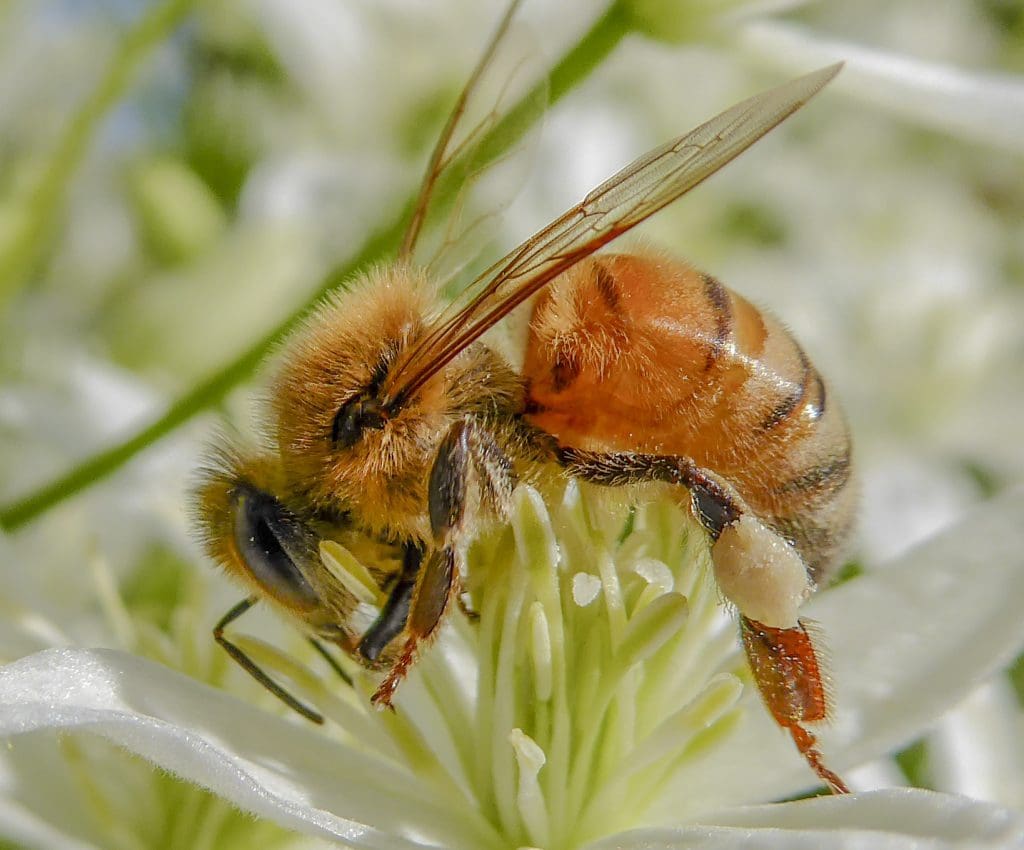
pic Lenny Lensworth Frieling
Epic Outdoor Picture of the Day: Boulder’s Bees Take Center Stage
Today’s epic outdoor picture of the day captures the very essence of Boulder’s natural heartbeat — a bee mid-flight, framed by wildflowers and the golden afternoon sun. While most of us admire these tiny winged wonders for their photographic charm, bees are far more than just beautiful subjects for nature shots. They are among the most important creatures on Earth, and Boulder’s thriving ecosystem owes them a serious debt of gratitude.
Why Bees Are Vital to Boulder’s Ecosystem
Boulder is known for its vibrant wildflower meadows, organic farms, and lush community gardens. Bees — both native species and honeybees — are the pollinators that keep these landscapes alive. They transfer pollen from flower to flower, ensuring the reproduction of countless plants, fruits, and vegetables. Without them, many of Boulder’s farm-to-table favorites would vanish from our plates.
In fact, it’s estimated that one out of every three bites of food we eat is made possible by pollinators like bees. In Boulder’s case, that means everything from the peaches at the farmers market to the kale in your smoothie owes its existence to these hard-working insects.
Fun Facts About Bees in Boulder
-
Home to Native Pollinators: While honeybees get most of the spotlight, Boulder is also home to hundreds of native bee species, including mason bees and bumblebees, which are often even more efficient pollinators.
-
Remarkable Navigators: Bees can travel up to five miles from their hive to forage, making Boulder’s mix of open space and urban gardens the perfect playground.
-
A Taste of the Landscape: Honey produced in Boulder has unique flavor notes depending on the season and the flowers in bloom — from clover and alfalfa to wild sunflowers.
-
Winter Survivors: Even in colder months, bees form a “living heater” inside their hives by vibrating their wings to keep the queen warm.
-
Flower Fidelity: Many bees stick to one type of flower per foraging trip, which increases pollination efficiency.
Protecting Boulder’s Bees for the Future
Like many parts of the world, Boulder has seen concerns over bee population declines. Habitat loss, pesticides, and climate change are major threats. Local initiatives — from pesticide-free gardening to planting pollinator-friendly flowers — have made Boulder a leader in bee conservation. The city’s commitment to preserving open spaces and creating pollinator corridors helps ensure these insects can thrive.
Every time you see a bee buzzing through Chautauqua Park, exploring the blooms along Boulder Creek, or visiting your backyard garden, you’re witnessing a vital piece of the natural puzzle. These little workers are keeping Boulder beautiful, bountiful, and in balance.
Closing Thought
So next time you spot a bee, think beyond the buzz. They’re not just out for a floral joyride — they’re sustaining the ecosystem that makes Boulder the vibrant, nature-rich city we love. Today’s epic outdoor picture is more than just a snapshot; it’s a reminder that even the smallest creatures can make the biggest difference.