
Do Snakes Hibernate in Boulder Colorado? Winter Brumation Explained
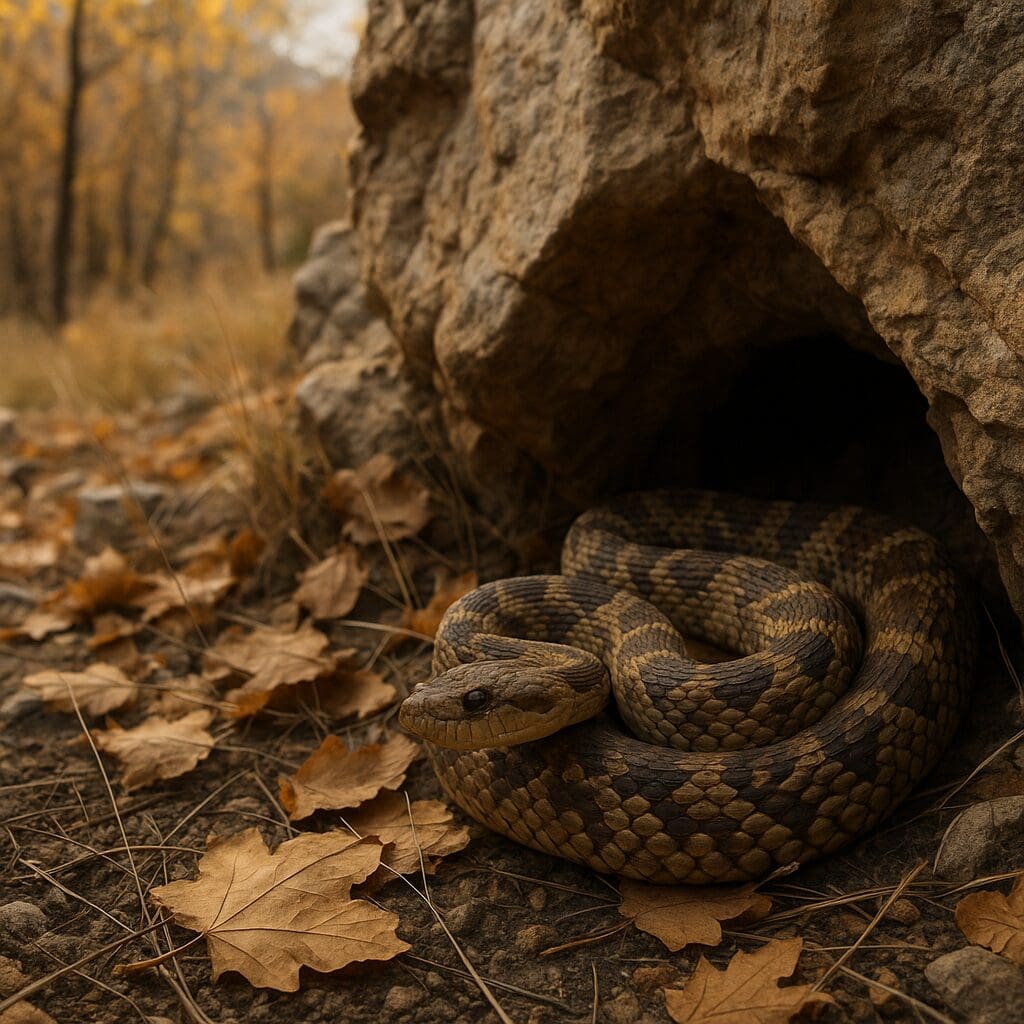
Do Snakes Hibernate in Boulder, Colorado? The Truth About Winter Brumation
As the crisp days of fall give way to snowy mornings in Boulder, the city’s familiar snakes seem to vanish. Hikers along Boulder Creek, climbers at Eldorado Canyon, and families wandering Chautauqua Park all wonder the same thing: where did the snakes go? Do they hibernate like bears?
The answer: not quite. Snakes in Boulder don’t hibernate in the mammal sense. Instead, they enter a state called brumation — a fascinating survival strategy perfectly suited for Colorado’s cold winters.
Brumation vs. Hibernation
At first glance, brumation and hibernation look similar, but there’s an important distinction:
-
Hibernation is a deep sleep practiced by warm-blooded animals such as bears. Their heart rate drops, their body temperature falls, and they remain unconscious until spring.
-
Brumation, on the other hand, applies to reptiles. Snakes slow their metabolism, stop eating, and remain mostly inactive — but they don’t fully sleep. On warm winter days, they may even venture out briefly to soak up the sun before returning underground.
So while people often call it “snake hibernation,” the correct term is brumation.
Where Boulder’s Snakes Go in Winter
Colorado’s Front Range snakes seek out underground shelters called hibernacula. These can be rocky crevices in the Flatirons, abandoned mammal burrows on Boulder’s grasslands, or fissures near South Boulder Creek. What’s remarkable is that several species often share these dens.
A single hibernaculum might hold bullsnakes, garter snakes, and even the occasional prairie rattlesnake, all coexisting peacefully until spring warmth returns. These underground refuges protect them from freezing temperatures and predators.
Snakes of Boulder: The Usual Suspects
During the warmer months, Boulder hosts a variety of snake species, most of which are harmless and vital to the local ecosystem. The bullsnake, Colorado’s largest, plays a crucial role in keeping rodent populations in check. Garter snakesare common near wetlands and streams, while the prairie rattlesnake is Boulder’s only venomous snake, usually found in open grasslands and rocky terrain.
Why Brumation Matters
Brumation is more than just waiting out the cold. It ensures survival and keeps snakes aligned with the natural rhythm of Boulder’s seasons. When spring arrives, snakes emerge ready to resume hunting, controlling pests, and contributing to the ecological balance.
Safety for Winter Explorers
Although snakes are rarely active in the depths of winter, late fall and early spring can bring encounters on sunny afternoons. If you’re exploring Boulder’s trails — from Chautauqua to Eldorado Canyon State Park — follow a few simple guidelines:
-
Stick to established trails.
-
Watch your step in rocky or grassy areas.
-
Give any snake you see plenty of space.
The Seasonal Mystery Solved
So, do snakes hibernate in Boulder? Technically, no. They brumate — a reptile’s version of winter dormancy. The next time you’re out on a frosty Boulder morning, remember that beneath the surface, snakes are waiting out the cold in hidden dens, ready to rejoin the cycle of life when spring sunshine returns.