
Effective Pain Management Tips After a Personal Injury: Breathing, Exercise, and Treatment Strategies
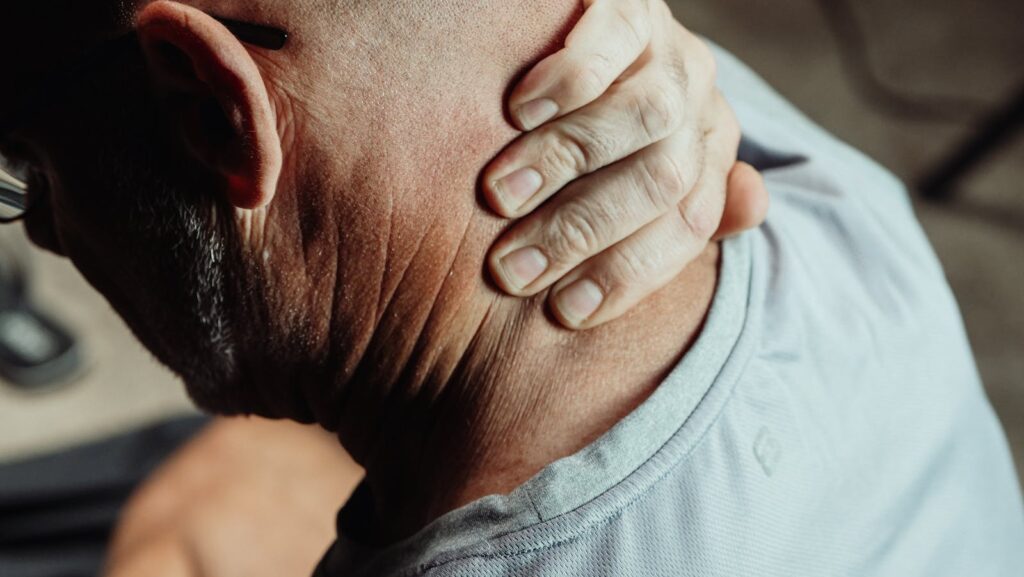
Every personal injury lawyer will need to spend time with your case just calculating pain and suffering in an accident claim. This ensures you get enough money to both pay your medical bills and breathe a bit easier by having a bit of extra cash on hand to cover whatever you need it to.
However, this won’t make your pain go away. You’ll need to do your own homework on how to do that. The following information will hopefully help with this research by providing some easy-to-follow advice.
Focus on Breathing
Stress, illness, and pain all cause you to breathe differently, either by clogging your nose or by you subconsciously taking shallow breaths more quickly.
While this alerts others to your distress, it can make you feel worse. You may get dizzy or anxious, for example. When you’re in pain, the best thing you can do is slow down for a second and take a few deep breaths.
Focus fully on your breathing as you take in a deep breath through your nose, hold it for a bit, and then slowly release it through your mouth. Repeat this a couple of times. If you want to, you could also incorporate counting into the process to make sure each breath is even.
While these breaths won’t make the pain go away completely, they’ll keep you in a calm headspace, which can help you think about what your next steps need to be.
Try Light Exercises
Some light exercises can help you feel better. However, you need to take them slow. Suddenly starting a highly intensive exercise routine would shock anyone’s body, but it may also increase the amount of pain you feel by causing more damage to your wounds. Take your new routine slowly and give your body time to acclimate.
A good place to start is either beginner yoga poses or specific stretches. If you’re struggling to keep yourself cool and collected because of your pain, start with yoga. It’s not only a great way to exercise and improve your flexibility; it also focuses on mindfulness. You’ll find yourself taking deep breaths or even meditating as part of the routine.
If you just want more localized and immediate comfort, then find stretches that work on the muscles that hurt. For example, if your lower back hurts, you could lie on the floor, bend your knees and then roll your knees to one side.
After holding them there for a few seconds, you recenter and then rotate your knees in the other direction. You’re done once you’ve done this two or three times. No matter what muscle hurts, there are always a few stretches you can do to ease that pain.
Use Compresses
Using either hot or cold compresses can help ease pain. Heat can relax muscles and ease irritation while the cold can reduce inflammation and swelling as well as pain. No matter which you choose to use, you need to apply it to the area that hurts and keep it there for fifteen to twenty minutes. This process must be done a few times a day to see lasting results.
Of course, you can do both if you can’t decide on just one. Sit with one treatment on the area for about fifteen minutes, then switch to the other and do it for fifteen minutes as well. Be aware that while this can bring relief, it might be better to just choose and stick with one type of compress. Neither should be used on open wounds unless your doctor says otherwise.

Find and Treat the Cause
While treating pain will bring temporary relief, you need to treat the underlying cause to get long-term relief. Admittedly, this isn’t always possible. Chronic, incurable conditions like arthritis and fibromyalgia cause some pain, and since treatments for these conditions are limited, the symptoms must be treated instead. Luckily, most pain has a direct cause that can be treated.
Take headaches for example. They usually have some cause, whether that be a change in barometric pressure, sinus pressure, tense muscles in the shoulders, neck, and jaw or just eye strain from staring at screens for too long. Of all of these causes, only one has no cure: barometric pressure changes. These changes are temporary and the pain will fade as the atmosphere calms down and the weather passes.
Sinus pressure can be relieved in many ways, from medicine to steam. Tense muscles caused by stress can be relaxed by realizing that they’re tense, making an effort to relax them and, of course, decreasing your stress level. Eye strain can be treated by taking more breaks from screens and wearing blue-light-blocking glasses.
Pain is always caused by something, and even if that something can’t be cured, just knowing what it is can bring relief all on its own.