
Farming In Boulder: How AgTech Is Changing Colorado Agriculture
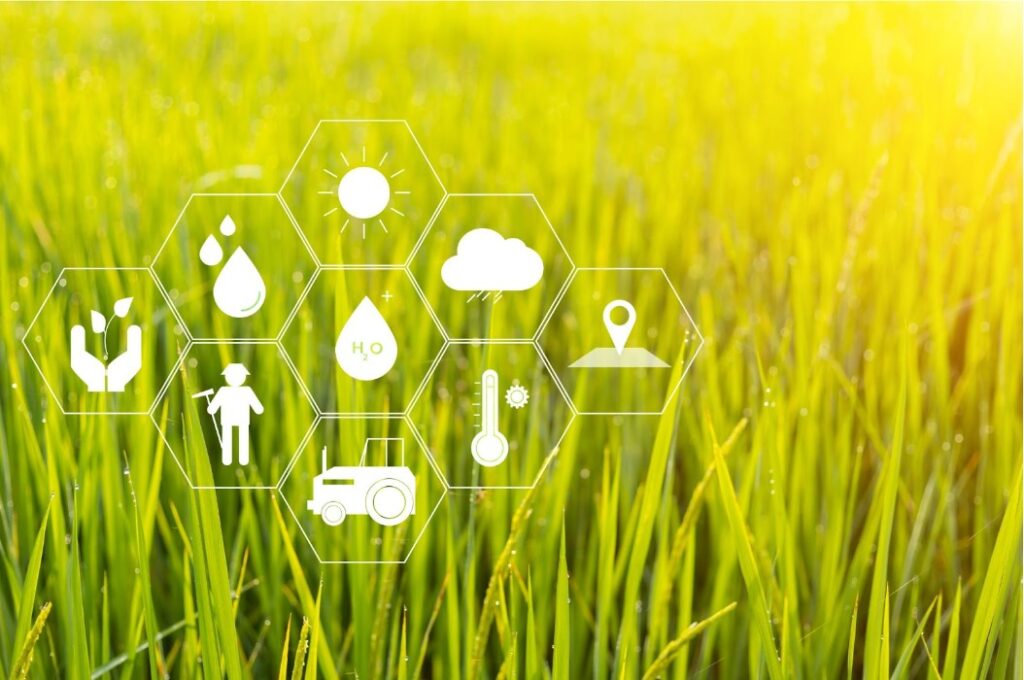
Boulder isn’t the first place people think of when they hear “farming.” Yet agriculture here has adapted and developed for almost 200 years. Farms operate just outside a growing tech city, under challenging weather conditions, labor shortages, and regulations. That mix creates a particular kind of agriculture: small-scale, complex, and pressured.
Fortunately, these restrictions are not holding Boulder’s agriculture back but rather forcing it to become more innovative. Comprehensive irrigation systems, GPS-guided machinery and robotics, crop monitoring for early disease detection, and many other technological solutions are gaining ground in Boulder. The way these tools are used locally, showing how useful they are on even small plots and under constant pressure, can help other places with similar issues.
Boulder’s Evolving Agriculture: From Pioneer Roots To Modern Practices
Agriculture in Boulder has deep roots, starting with the arrival of settlers in the 1860s. By the early 1900s, Boulder’s farms became more specialized, and new crops better suited to the local climate were introduced. Mechanization grew, as did access to national markets. When urban development picked up, Boulder County moved to protect farmland. For instance, in 1967, the city launched its Open Space program, which still preserves farmland today.
Now, Boulder County leases about 25,000 acres to local farmers, with a focus on ecological care and long-term sustainability. These lands support irrigated crops, dryland grains, and rangeland for livestock. Most farms are small: half make less than $2,500 per year, and only 5% earn over $100,000. Common crops include alfalfa, wheat, corn, sunflowers, vegetables, and beans. Livestock numbers are modest, with cattle, goats, and sheep on smaller farms.
Boulder farmers are adopting no-till, composting, and cover cropping to improve soil and save water. In 2023, the city and county funded nearly $200,000 in grants for these practices. Community farms and education programs also connect residents to local food and sustainable farming. The region’s mix of tradition, public support, and policy planning has helped agriculture survive and adapt, even near a growing city.
AgTech Advancements In Colorado And Boulder
Colorado, and particularly the Boulder region, has become one of the most active regions in the US for agricultural technology. The state’s difficult water conditions, especially after years of drought, have pushed farmers to find new ways to manage resources and reduce risk.
One early example was a water tracking system developed after farmers began selling off water rights. It allowed growers to monitor exactly how much water was used on crops, how much returned to the soil, and what was lost to the air — data they could view in real time. This helped improve water efficiency without needing to give up farmland.
Today, precision agriculture is a standard part of modern farming across Colorado:
- GPS-guided tractors and sprayers allow for accurate planting, spraying, and harvesting;
- Soil sensors and weather-linked irrigation help apply water only where and when it’s needed;
- Drones support crop scouting, mapping, and targeted spraying;
- Satellite crop monitoring shows which areas of a field are stressed or underperforming.
Boulder’s farms have been early adopters, thanks to support from nearby research hubs and access to startup pilots. The county’s location near research centers like CU Boulder and Colorado State University has been a major advantage. Many startups test tools locally before expanding across the western US.
But the region still faces challenges. Many agriculture monitoring tools are costly and need technical support that’s not always easy to find. Small and medium farms often struggle to afford the latest systems, even when they can clearly see the benefits.
However, with over 100 agtech companies in the region and growing interest in sustainable, data-supported farming, Boulder is expected to remain at the center of agricultural innovation in the western US.
Why Boulder Farmers Need Agricultural Technology
Farmers in Boulder face real pressures: limited land, droughts, rising costs, and ongoing labor shortages. Agricultural technologies help tackle these problems directly, and here’s how:
- Water and land use. Boulder faces chronic challenges with water scarcity and high land values. Precision tools like soil moisture sensors or drip irrigation systems help farmers maximize yields per drop and maintain profitability on small or fragmented plots.
- Labor shortages. Farmers across Colorado, including Boulder, report significant labor shortages. Automation, including GPS-guided machinery, drones, and robotic equipment, allows farmers to maintain operations with fewer hands, which is critical during peak seasons.
- Sustainability and regulations. Many Boulder farms lease county- or city-owned land. These leases often require environmentally sound practices. Tools like no-till seeders, nutrient management software, and remote crop monitoring help farmers reduce erosion, manage inputs wisely, and meet local rules.
- Planning and quick response. Farm monitoring software gives real-time updates on field conditions. It helps farmers choose the right time to plant, irrigate, or harvest and avoid losses due to sudden weather changes or disease outbreaks.
- Market access. Local buyers and markets in Boulder often demand proof of how food is grown. Technologies like blockchain that offer traceability or certification (e.g., organic, regenerative, non-GMO can help farmers stand out, reach premium markets and direct-to-consumer channels, and charge more for their products.
Boulder proves that small-scale farming and high-tech agricultural monitoring tools don’t have to be opposites. Here, the push for sustainability, public transparency, and soil health meets innovation in the field. As climate risks grow and urban pressure continues, farms that adopt practical, affordable technologies will be better prepared. Boulder’s future in agriculture may not look large-scale, but it could become a leading model of how to farm smarter in hard times.