
Flash Flood Season in Boulder, Colorado: What You Need to Know
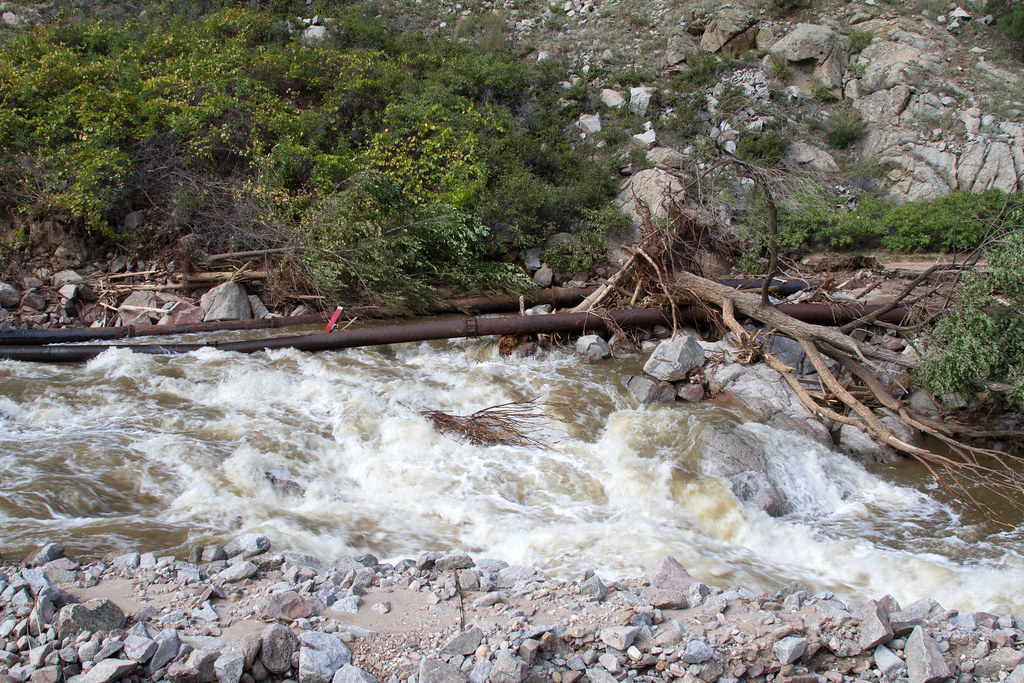
Boulder, Colorado is known for its breathtaking views, trail systems, and progressive community—but when the skies turn dark in late spring and summer, the city faces one of its most dangerous natural threats: flash floods. With steep canyon walls, narrow drainage basins, and urban development close to creeks, Boulder is uniquely susceptible to sudden, devastating floods. Understanding the risks and preparing accordingly can make all the difference when the next storm rolls in.
Why Boulder Is So Vulnerable
Boulder’s geography is both beautiful and risky. The city is surrounded by the Flatirons and foothills, with creeks like Boulder Creek and Fourmile Canyon Creek running through neighborhoods, parks, and even the University of Colorado campus. When heavy rain falls rapidly—especially during the warmer months when the ground may already be saturated—water flows quickly downhill, overwhelming storm drains and natural channels.

The most infamous example of this happened in September 2013, when a historic rain event dropped over 17 inches of rain in some parts of Boulder County in just one week. The resulting flash floods destroyed roads, homes, and trails, and left entire neighborhoods isolated. It was one of the costliest natural disasters in Colorado history.
When Flash Flood Season Hits
Boulder’s flash flood season typically runs from May through September, with peak risk during July and August. Afternoon thunderstorms can develop rapidly due to high summer temperatures and moisture carried in from the Gulf of Mexico. These monsoonal storms often hit with little warning, especially in higher elevations like Flagstaff Mountain or along canyon roads such as Highway 119.
While spring snowmelt plays a role in raising stream levels, the most dangerous flash floods are caused by sudden cloudbursts. Even a storm that hits upstream in the mountains can cause rapid downstream flooding in areas that are dry just minutes earlier.
How to Stay Safe and Prepared
If you’re living in or visiting Boulder, knowing the basics of flood safety is essential:
-
Sign up for alerts. Boulder County and the City of Boulder offer emergency text and email notifications. CU Boulder also provides campus-specific alerts to students and faculty.
-
Know your location. If you’re near a creek, trail, underpass, or canyon, you could be in a flood-prone area. Flash floods can happen in minutes and often strike with no time for evacuation.
-
Never drive through floodwaters. As little as 6 inches of moving water can knock a person off their feet, and a foot of water can sweep a car away. Follow the mantra: Turn Around, Don’t Drown.
-
Move to higher ground immediately. If you hear warning sirens or get a flash flood warning on your phone, don’t wait. Get to higher ground right away.
-
Keep an emergency kit handy. Flashlights, water, medications, important documents, and snacks should be part of a basic flood-ready kit.
For more detailed guidance, the City of Boulder’s flood preparedness page includes maps, historical data, and safety tips. The National Weather Service also provides real-time alerts and nationwide safety protocols.
Rebuilding and Recovery
If flooding occurs, do not return home until officials declare it safe. Floodwaters can be contaminated with sewage or chemicals, and structural damage may not be visible at first glance. Cleanup should be done with caution, and homeowners are encouraged to photograph all damage for insurance purposes.
Final Thought
Boulder residents take pride in their resilience—and understanding the dangers of flash floods is part of living wisely in this dynamic environment. Flash flood season doesn’t have to be scary if you’re informed, alert, and ready to act when nature turns fierce.