
Guide to Moving Insurance: Protecting Your Belongings
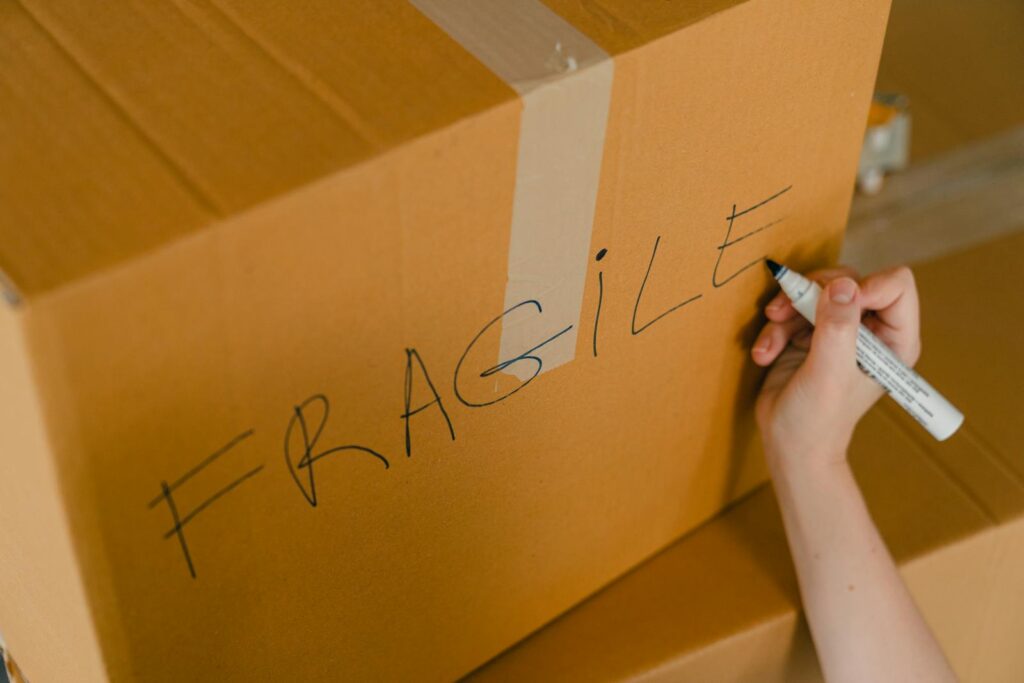
Ever felt that sinking feeling when you realize your favorite coffee mug didn’t make it through a move?
Moving is stressful enough without worrying about whether your belongings will arrive in one piece. And here’s the thing about moving insurance…
Most people don’t understand what they’re actually getting. They think they’re covered, but when push comes to shove, they find out they’re not.
The truth is:
- Moving insurance isn’t really insurance at all
- Your homeowner’s policy probably won’t help
- That “free” coverage might only get you 60 cents per pound
…and that’s just the beginning.
What you’ll discover:
- What Moving Insurance Really Is
- Types of Moving Protection Available
- How Homeowner’s Insurance Fits In
- Red Flags to Watch For
- Smart Strategies for Maximum Protection
What Moving Insurance Really Is
Let’s get one thing straight…
Moving insurance isn’t technically insurance. It’s called “valuation” or “liability coverage” — and that difference matters more than you think.
Here’s why:
Real insurance is regulated by state insurance laws. Moving company coverage? It’s governed by federal transportation laws. That means different rules, different protections, and different ways to handle claims.
According to federal regulations, all interstate moving companies must offer two types of protection. But here’s the catch — neither one might give you what you actually need.
When you work with highly rated moving companies, they’re required to explain these options clearly. But even the best moving services provider can’t change the basic limitations of these federal requirements.
And get this…
The “free” coverage that comes with every move? It’s based on weight, not value. So if your lightweight but expensive electronics get damaged, you’re out of luck.
Types of Moving Protection Available
There are two main types of moving protection, and the difference between them can cost you thousands.
Released Value Protection
This is the basic coverage that comes free with every move. Sounds great, right?
Wrong.
Released value protection only covers 60 cents per pound. That’s it. So if your 20-pound flat-screen TV gets destroyed, you’ll receive exactly $12.
Think about that for a second…
Your $800 television becomes worth $12 the moment it’s loaded onto the truck. That’s not protection — that’s practically nothing.
But here’s what really gets me…
Most people choose this option because it’s “free.” They don’t realize they’re essentially moving with zero real protection.
Full Value Protection
This is the upgraded option that actually provides meaningful coverage. But it comes at a cost.
Full value protection means the moving company is liable for the replacement value of your belongings. If something gets lost, damaged, or destroyed, they’ll either:
- Repair the item
- Replace it with something similar
- Give you cash for the current market value
The cost? Usually around 1% of your belongings’ total value. So if you’re moving $50,000 worth of stuff, you’re looking at $500 for coverage.
But here’s the thing…
Even full value protection has limitations. Items worth more than $100 per pound need special documentation. And many policies have deductibles.
How Homeowner’s Insurance Fits In
Most people think their homeowner’s or renter’s insurance covers moving. They’re partially right — and completely wrong.
Here’s what it actually covers:
Your homeowner’s policy typically protects your belongings in transit from things like fires, theft, or accidents. But it won’t cover damage from normal moving activities.
So if the moving truck crashes and burns? You’re probably covered. If the movers drop your dresser while carrying it? You’re not.
According to recent data, 88% of homeowners have active insurance policies. But most don’t understand these moving limitations.
And here’s something that’ll surprise you…
Only 47% of homeowners have created an inventory of their belongings. That’s a huge mistake when you’re planning a move.
Red Flags to Watch For
Want to know what separates amateur movers from professionals? How they handle moving protection.
Watch out for these warning signs:
- Companies that don’t clearly explain valuation options
- Movers who pressure you into expensive add-on insurance
- Any company that claims homeowner’s insurance “covers everything”
- Moving services providers who won’t put protection details in writing
Here’s what really matters:
The average long-distance move costs $4,890. But the average homeowner’s insurance claim is over $18,000. That means if something goes wrong, you could be facing costs worth multiple times your moving budget.
Good moving companies will walk you through every option. They’ll explain the limitations clearly and help you make an informed decision.
Smart Strategies for Maximum Protection
Ready to protect your belongings the right way? Here’s how to do it…
Document Everything
Before anything gets packed, create a detailed inventory. Take photos or videos of valuable items. Note any existing damage.
This isn’t just busy work — it’s your insurance policy. Without proper documentation, even the best coverage won’t help you.
Consider Third-Party Insurance
Some states don’t allow moving companies to sell insurance directly. In these cases, they work with third-party providers.
This can actually be a good thing. Third-party insurance often provides more comprehensive coverage than standard moving company protection.
Pack High-Value Items Yourself
Remember that $100 per pound rule? Items worth more than that need special handling.
Consider moving jewelry, artwork, electronics, and important documents yourself. It’s more work, but it’s also more protection.
Get Multiple Quotes
Don’t just compare moving prices — compare protection options too. Different companies offer different levels of coverage and different pricing structures.
Read the Fine Print
I know, I know. Nobody likes reading contracts. But moving protection agreements are different from standard insurance policies.
Pay attention to:
- Claim filing deadlines
- Deductible amounts
- Exclusions and limitations
- Repair vs. replacement policies
The Bottom Line
Moving insurance isn’t perfect. But it’s better than no protection at all.
Here’s what you need to remember:
The basic 60-cent-per-pound coverage is essentially useless for most belongings. If you have anything valuable, you need full value protection or third-party insurance.
Your homeowner’s insurance might help with major disasters, but it won’t cover typical moving damage. And without proper documentation, even good coverage won’t help you.
The key is working with reputable moving services providers who explain your options clearly. They should help you understand what you’re getting — and what you’re not.
Don’t wait until something goes wrong to figure out your coverage. By then, it’s too late.
Taking Action
Moving protection might seem complicated, but it doesn’t have to be overwhelming. Start by understanding your options. Document your belongings properly. And choose coverage that actually protects what you value most.
Remember — the goal isn’t to have perfect insurance. The goal is to have enough protection that you can sleep at night, knowing your belongings are covered.
Because when you’re starting fresh in a new place, the last thing you want is to arrive with damaged memories and empty pockets.