How Boulder, Colorado Became America’s Foodie Capital

A Food City Built on Values, Not Flash
Boulder, Colorado didn’t become a foodie capital by chasing trends or copying bigger cities. It happened organically, driven by values that came long before food became fashionable. Long before “farm-to-table” was a buzzword, Boulder residents were already asking where their food came from, how it was grown, and who was producing it. That curiosity laid the groundwork for a food culture built on integrity, transparency, and flavor.
What makes Boulder unique is that food here has never been just about indulgence. It’s about health, sustainability, community, and creativity living on the same plate. That mindset created a culinary ecosystem unlike anywhere else in the country.
The Farm-to-Table Movement Started Here
Boulder was one of the earliest cities in America to fully embrace local sourcing as a core principle rather than a marketing hook. Surrounded by productive farmland and supported by a strong regional agricultural network, chefs began building menus around what farmers could provide seasonally, not the other way around. This approach reshaped how restaurants operated and how diners ate.

Local produce, grass-fed meats, and organic ingredients became standard expectations. Boulder’s commitment to organic farming and responsible agriculture helped accelerate national awareness around food quality, supported by standards recognized through organizations like the USDA Organic Program, which reinforced practices already deeply rooted in the community.
A City That Rewarded Innovation
Boulder’s residents have always been adventurous eaters. That openness gave chefs freedom to experiment, fuse cuisines, and take risks. Instead of sticking to safe menus, restaurants introduced global flavors, plant-forward concepts, and dietary-inclusive dining years before those ideas went mainstream.
Vegan, vegetarian, gluten-free, and allergen-conscious menus flourished because Boulder demanded them. That demand pushed culinary innovation forward and turned Boulder into a testing ground for food trends that would later sweep the country.
National Recognition Without Losing Identity
As Boulder’s food scene matured, national recognition followed. Publications and culinary institutions began taking notice—not because Boulder tried to impress them, but because the city stayed true to its principles. Boulder earned repeated praise from major food authorities, including recognition from organizations like the James Beard Foundation, which highlighted the city’s chefs, restaurants, and food leadership.
Despite the accolades, Boulder never lost its local character. Restaurants remained community-focused, approachable, and grounded. Success didn’t mean abandoning values—it reinforced them.
The Power of Local Markets and Community
One of Boulder’s most powerful food engines has always been its local markets. Farmers markets became cultural institutions, connecting chefs directly with growers and residents with the people behind their food. These markets didn’t just sell produce—they educated, inspired, and built trust.
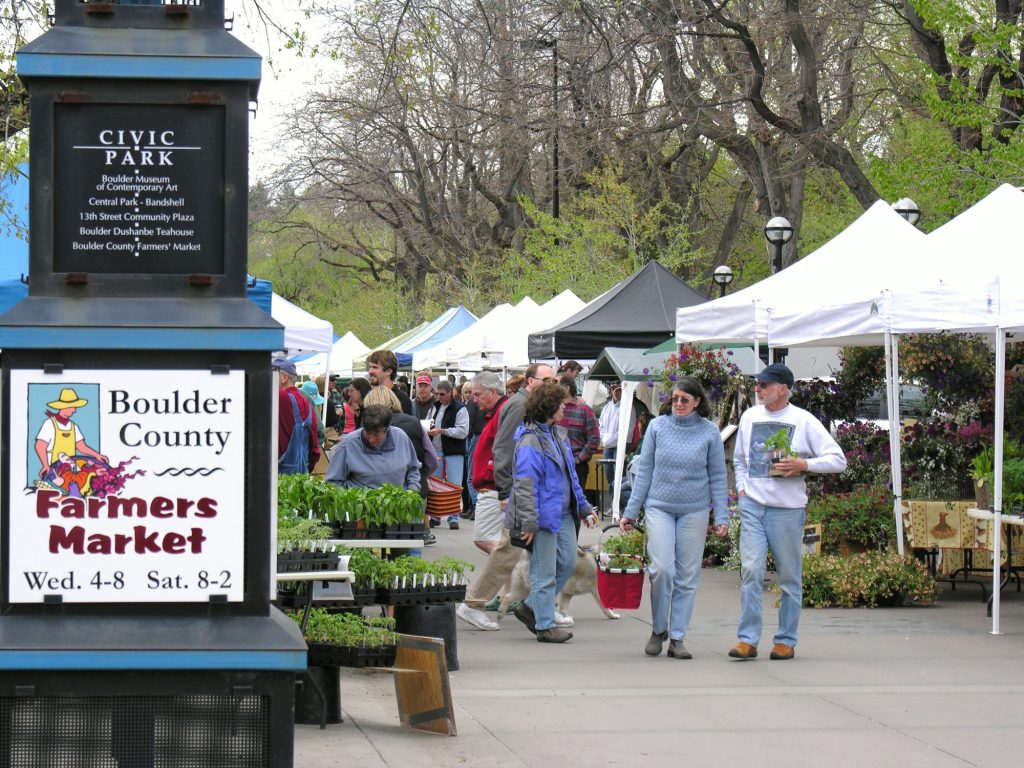
Food in Boulder became personal. Diners knew farmers by name. Chefs collaborated instead of competed. This tight-knit ecosystem allowed quality to stay high while innovation accelerated naturally.
Health, Performance, and Food as Fuel
Boulder’s identity as an outdoor and performance-driven city also shaped its cuisine. Athletes, climbers, runners, and yogis demanded food that supported active lifestyles. Restaurants responded with nutrient-dense menus that balanced flavor with function.
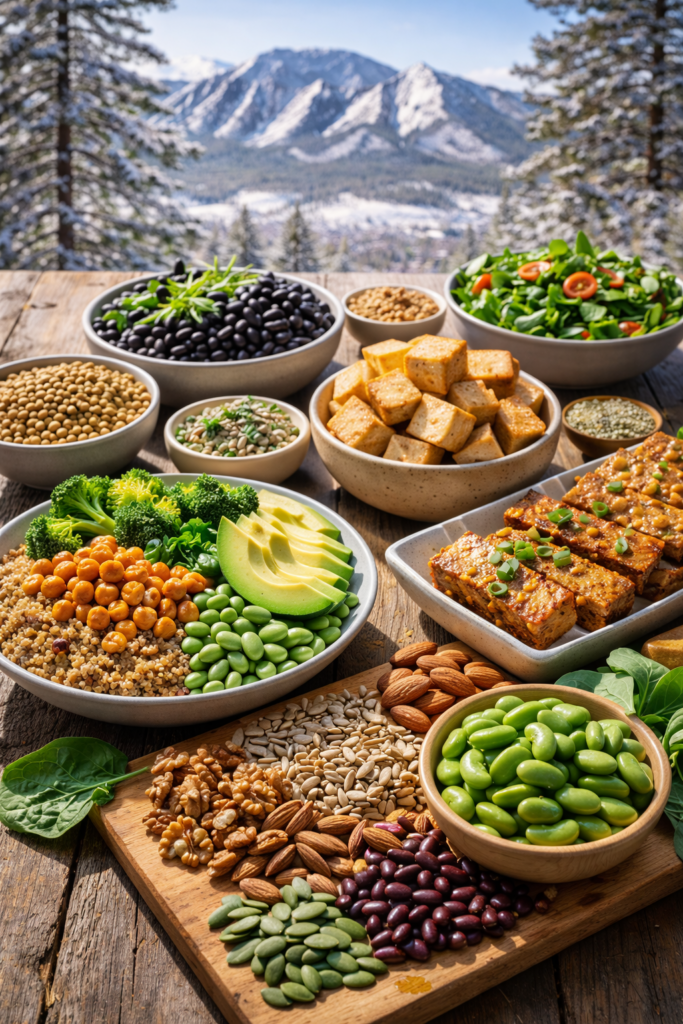
This connection between food and performance helped redefine what “healthy eating” looked like nationally. Boulder proved that food could be indulgent, nourishing, and exciting at the same time—without compromise.
Why Boulder Still Leads Today
While many cities now claim foodie status, Boulder continues to lead because its foundation hasn’t changed. Sustainability, creativity, and community remain at the core. New restaurants still source locally. Chefs still collaborate with farmers. Diners still care deeply about quality and ethics.
Boulder didn’t chase the title of foodie capital—it earned it by staying consistent while the rest of the country caught up. That authenticity is why Boulder remains influential and why its food culture continues to shape how America eats today, a story deeply woven into the ongoing culinary identity of this Boulder-based community.