
Is That Bug Bite More Than Just Itchy? Why Lab Testing Could Hold the Answer
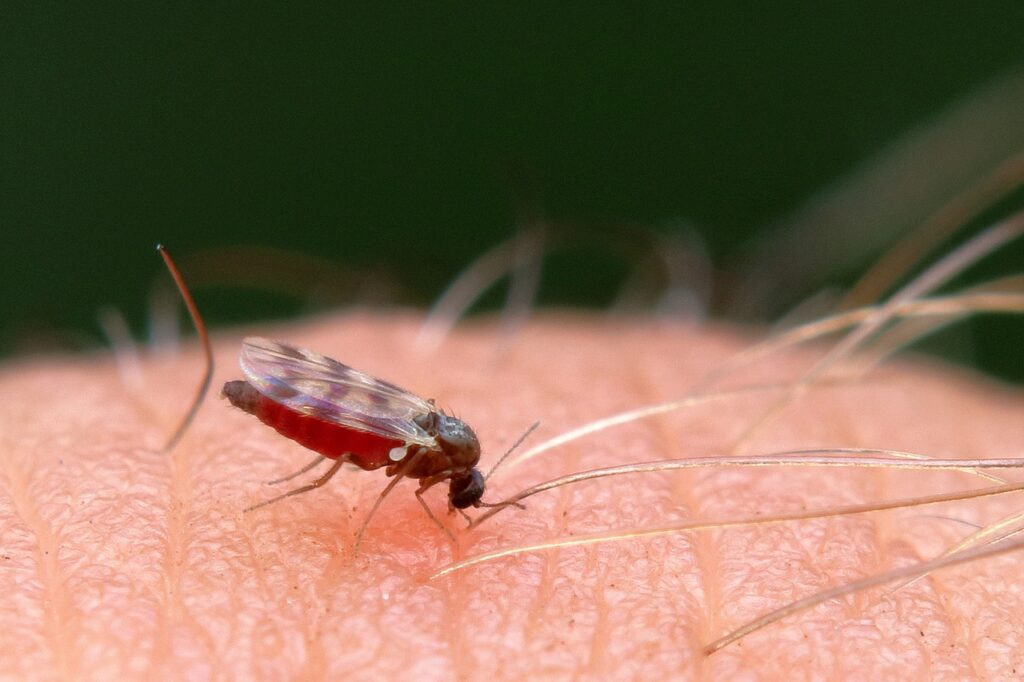
Living in Boulder, Colorado, means having access to stunning hiking trails, alpine lakes, and a thriving outdoor culture. But spending time outside also puts you face-to-face with a wide range of bugs—some harmless, some irritating, and some potentially dangerous.
If you’ve ever woken up with an unexplained bite or developed an itchy welt after an afternoon on the trails, you might wonder: what bit me?
While most bites are benign and go away on their own, others could signal a more serious issue. In some cases, lab testing is the only way to determine whether a bite has caused an infection, triggered an allergic response, or transmitted a disease. Here’s how you can decode the mystery of your bite—and what steps you can take to prevent them in the future.
Common Types of Bug Bites in Boulder, CO
Boulder’s varied climate and close proximity to the mountains make it a haven for many types of insects and arachnids. Some of the common culprits behind bug bites include:
- Mosquitoes: Known for their itchy red bumps, mosquito bites are common in summer and early fall, especially near standing water.
- Spiders: Most spiders in Colorado are harmless, but some, like the Black Widow, can cause more severe reactions.
- Ticks: Found in wooded or grassy areas, ticks can transmit Lyme disease and other illnesses if not removed promptly.
- Fleas and mites: Often picked up by pets and passed on to humans, these tiny insects leave multiple clustered bites.
- Bed bugs: While less common outdoors, these pests can leave a trail of bites that appear in straight lines or clusters.
When Should You Consider Lab Testing for a Bite?
Most bites resolve on their own with some anti-itch cream and patience. But there are instances when it’s best not to wait and see. Lab tests can help identify what kind of reaction your body is having and whether medical treatment is needed.
Consider seeking lab tests if:
- The bite becomes increasingly swollen or painful over time.
- A red ring or “bullseye” pattern develops around the bite (a potential sign of Lyme disease).
- You experience flu-like symptoms such as fever, chills, fatigue, or joint pain.
- The area becomes hot to the touch, indicating a possible infection.
- You’re immunocompromised or have pre-existing conditions that complicate healing.
- You recently traveled or were exposed to new environments with unfamiliar insects.
In these situations, lab tests can help determine:
- If the bite has triggered a bacterial or viral infection.
- Whether a tick-borne illness, such as Lyme or Rocky Mountain Spotted Fever, is present.
- If the wound is producing abnormal immune or allergic responses.
- If parasites or foreign substances have entered the skin.
Early diagnosis can be crucial, especially when dealing with infections that require antibiotics or further intervention.
How the Lab Process Works
Getting tested doesn’t mean committing to hours in a hospital waiting room. In fact, many clinics in the Boulder area offer express testing services that are both fast and affordable. Here’s what the process might look like:
- Step 1: Consultation: A clinician evaluates your bite and symptoms, then determines which tests (if any) are necessary.
- Step 2: Sample Collection: Depending on your symptoms, a blood draw, skin swab, or biopsy might be collected.
- Step 3: Analysis: Your samples are sent to a lab to check for infections, allergic responses, or other abnormalities.
- Step 4: Results and Treatment Plan: If your results show any issues, you’ll receive a diagnosis and a recommendation for next steps, such as antibiotics, antihistamines, or follow-up care.
Express testing is especially useful when you’re dealing with time-sensitive concerns or don’t want to navigate the delays often associated with traditional providers.
What Can Lab Tests Reveal?
Modern lab diagnostics can uncover a wide range of health issues related to bites. This includes:
- Bacterial Infections (e.g., staph, cellulitis).
- Lyme Disease and Other Tick-Borne Illnesses.
- West Nile Virus.
- Parasitic Infections.
- Allergic Responses or Anaphylaxis Risk.
- Autoimmune Reactions.
Even if you think the bite is “just a bug bite,” lab tests can provide peace of mind—or an early warning sign.
Avoid Recurring Bites With Mosquito Treatment for Your Yard
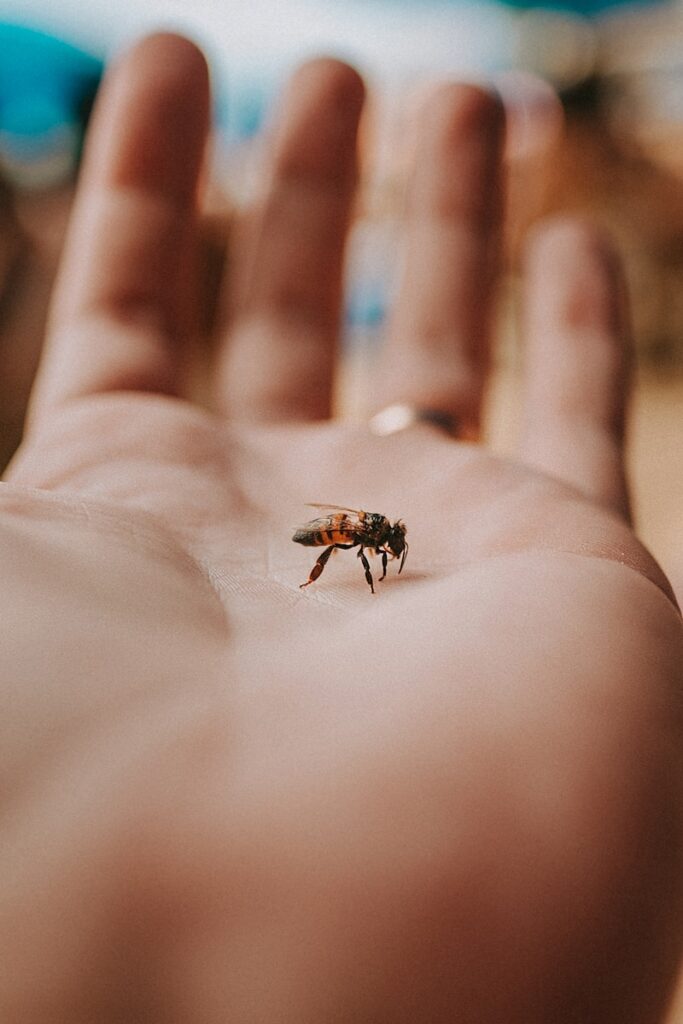
One of the most frustrating things about bug bites is that they’re rarely a one-time issue. If you’re constantly getting bitten in your own backyard, it’s time to take proactive steps. A solid mosquito treatment plan can dramatically reduce the number of pests around your home and lower your risk of future problems. Here are some effective ways to protect your outdoor space:
- Eliminate standing water: Mosquitoes breed in stagnant water, so dump out buckets, birdbaths, plant saucers, and even bottle caps.
- Install fine mesh screens: Keep insects out without shutting out airflow.
- Use citronella and essential oils: Natural deterrents like lemon eucalyptus can offer mild protection.
- Trim overgrown vegetation: Bugs love shady, moist environments. Keeping your yard tidy makes it less appealing to them.
- Invest in professional pest treatments: Experts can identify breeding zones and apply targeted treatments that repel or kill mosquitoes for weeks at a time.
A comprehensive mosquito treatment strategy not only keeps your backyard comfortable, but it also helps prevent bites that might require testing later.
It’s a smart investment in your family’s health and peace of mind.
Trust Your Gut—and Your Skin
Bug bites are a part of life in Boulder. But not all bites are harmless. Knowing when to seek lab testing can help you catch issues before they become serious, especially when symptoms go beyond the usual itch. Meanwhile, don’t forget the importance of prevention. Investing in effective mosquito treatment for your home and yard can drastically reduce your risk of being bitten in the first place, saving you the stress, discomfort, and potential medical bills.
Whether you’re hiking Chautauqua or just lounging on your patio, a bite-free summer starts with smart choices and a little backup from science.