Listening Without Crossing the Line: Ethical Marketing in Boulder
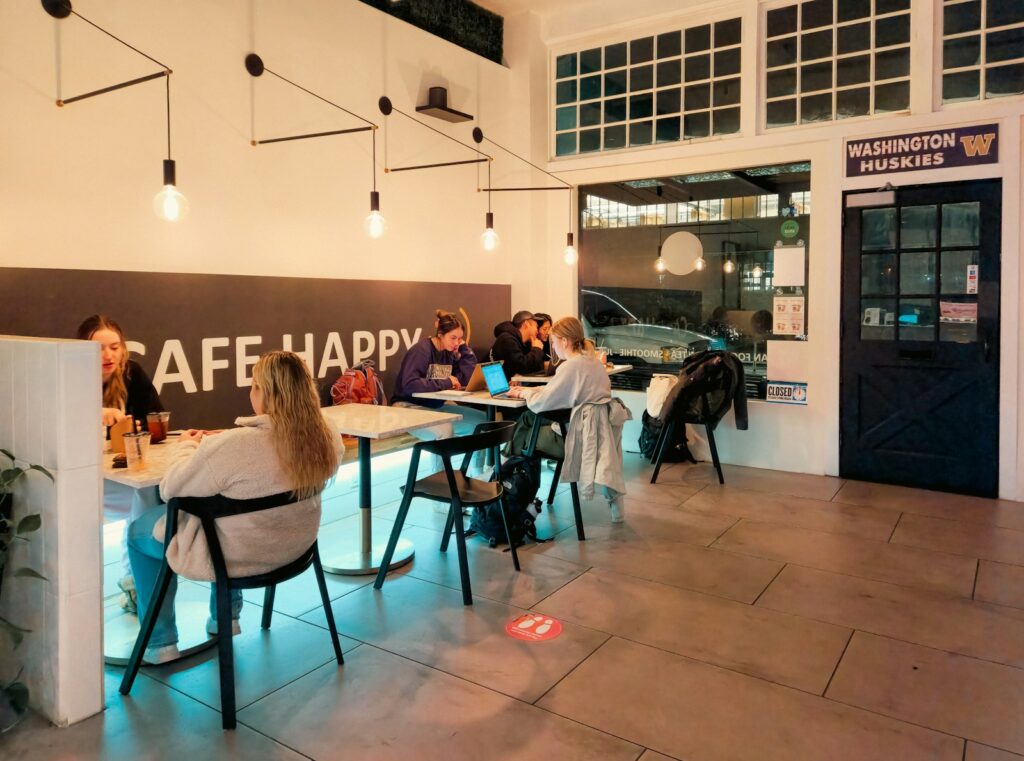
Photo by Zoshua Colah on Unsplash
Every marketer is curious. The instinct to observe others is part of the job. You need to see what works, where attention moves, and how audiences shift. In the age of transparency, though, curiosity can start to look like intrusion. The tools are sharper, the data is richer, and the line between insight and invasion is thinner than ever.
Many professionals are learning to observe without overstepping. Simple resources like recent followers instagram tools, engagement trackers, and public-signal dashboards make it possible to study only what people have already chosen to make visible. The goal isn’t to track individuals, but to understand patterns and trends that can help businesses respond thoughtfully.
A Boulder-Minded Lens on Ethical Marketing
In Boulder, curiosity tends to be community-first. From Pearl Street boutiques and farm-to-table cafés to wellness studios tucked beneath the Flatirons, local teams rely on social platforms to stay connected with neighbors, not to stalk them. Ethical marketing means reading the public room — then responding with care.
Boulder’s startup and marketing scene leans toward sustainable practices and transparent communication. Teams here often ask, “Does this insight help our community, or just our KPIs?” That question keeps data use grounded. Pattern-reading tools that stay within the boundaries of public signals fit naturally with that mindset.
Micro-Cases from the Boulder Community
Pearl Street coffee shop
The shop notices a wave of new followers who are yoga instructors and cyclists. A simple engagement tracker flags a rise in open interactions among local studios and micro-creators. Instead of chasing quick wins, the team launches a Saturday “post-ride pour-over,” creates a calming midweek playlist, and co-hosts a class with a nearby studio. The posts clearly explain the collaboration. Over the next two weeks, saved stories and morning visits increase — without anyone feeling like they’ve been watched.
Pearl Street boutique
Public data shows several local apparel brands following the same vintage resellers. Instead of seeing this as competition, the boutique organizes a “maker’s night,” invites two creators, and openly labels the partnership. The result? Mutual mentions, two new collaborations, and warmer community conversations.
Outdoor startup under the Flatirons
The team sees several niche gear brands following backcountry safety educators. Rather than exploiting it, they gather tips from those accounts (with permission), cite sources transparently, and host a free trail safety workshop before spring season. Trust builds naturally.
Shared Guardrails for Ethical Observation
- Focus only on public signals.
- No personalization beyond what’s already open.
- Be transparent about partnerships and collaborations.
- Ask: Would this feel okay if someone studied our account in the same way?
Curiosity as a Marketing Skill
Long before dashboards, businesses paid attention to what customers talked about, where they gathered, and how ideas moved. That kind of observation built intuition — the timing that separates a relevant campaign from one that feels forced.
Social media scaled that instinct, but also blurred ethical lines. Now, the question isn’t just “What can we learn?” but “How should we learn it?” People want brands to understand them, not shadow them.
Modern tools can collect open engagement signals like follows, unfollows, and visible interactions. Organizing these signals into patterns can help local teams see where community interests are shifting — without invading anyone’s privacy.
Clarity Without Intrusion
The most responsible marketers use data to listen, not to pry. When several local outdoor brands start following the same creator, it often means the market is shifting. That’s a useful insight. But ethical marketers pause before acting, letting patterns settle and moving with intention instead of reacting.
Ethical marketing isn’t about avoiding data altogether. It’s about handling it with respect. Seeing who someone follows is analysis; guessing at their private thoughts is assumption. Some organizations even create observation guidelines to keep their curiosity in check.

Try It the Boulder Way
- Start with one small hypothesis — for example, “zero-waste voices are rising.”
- Watch public engagement patterns for a couple of weeks.
- Share what you’ve learned openly with your community.
- Re-evaluate: did the community benefit, and do people feel seen rather than watched?
Turning Data into Dialogue
The best use of insight happens when brands act with transparency. If a Boulder food brand notices its followers connecting with regenerative-agriculture advocates, it can say so openly and invite those voices into its story. The audience feels seen, not surveilled.
Marketing thrives when curiosity meets responsibility and community comes first. In Boulder, that kind of ethical observation fits right into the city’s culture: respectful, intentional, and neighborly.