
Moving from Aurora to Boulder: What to Expect
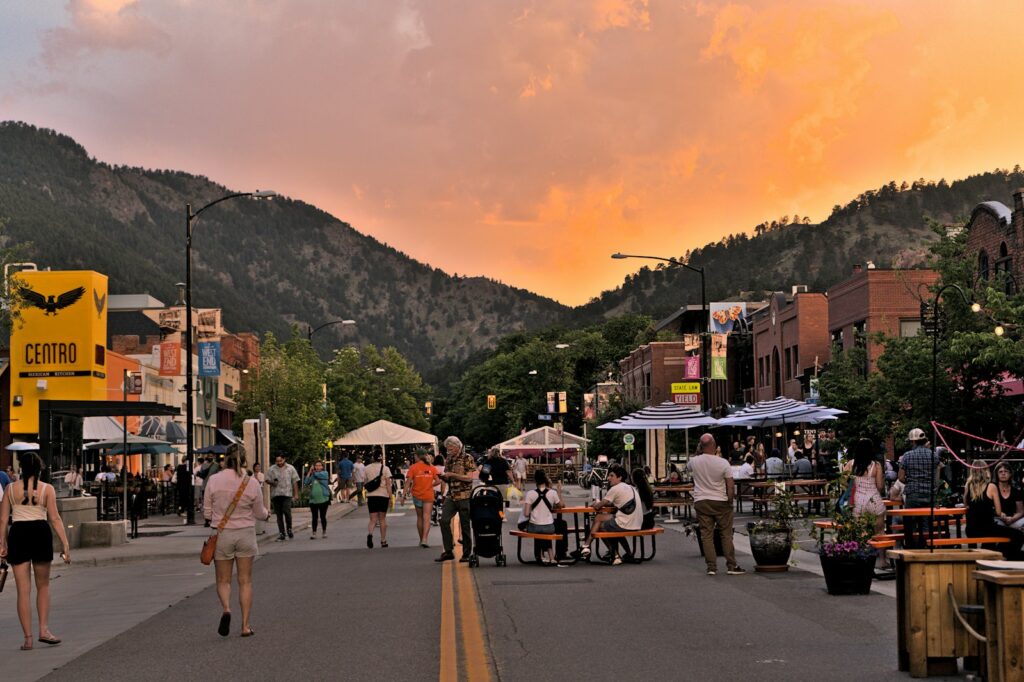
Photo by Deepak Adhikari on Unsplash
Relocating within Colorado can feel like a small step on the map but a big shift in lifestyle. Moving from Aurora to Boulder is a perfect example. While both cities sit along the Front Range, they offer very different daily rhythms, housing markets, and cultural expectations. For people considering the move, understanding those differences upfront makes the transition smoother and more intentional.
This guide takes a look at what changes when you leave Aurora behind and start building a life in Boulder.
Why People Move from Aurora to Boulder
Aurora is known for its diversity, relatively affordable housing, and proximity to Denver’s job market. Boulder, by contrast, is defined by its outdoor access, strong environmental values, and a culture shaped by the university, tech startups, and research institutions.
Many people make the move because they’re seeking:
- Easier access to trails, open space, and outdoor recreation
- A more walkable, bike-friendly lifestyle
- A smaller, community-oriented city feel
- Career opportunities tied to tech, research, or education
The motivation often isn’t dissatisfaction with Aurora, but alignment with Boulder’s pace and priorities.
Housing Differences You Need to Prepare For
One of the biggest adjustments is housing. Aurora offers a wide range of single-family homes, townhouses, and newer developments at prices that are more accessible for many buyers. Boulder’s housing market is tighter, older, and significantly more expensive.
According to Redfin data, the median home price in Boulder is more than double that of Aurora, reflecting limited inventory and high demand.
This reality changes how people approach the move. Many homeowners decide to simplify the process by choosing to sell a house fast Aurora before committing to Boulder’s competitive market, freeing up capital and reducing timing pressure.
Renting first is also common, especially for newcomers who want time to learn neighborhoods and price ranges.
Cost of Living: What Actually Changes
Beyond housing, Boulder’s overall cost of living is higher. Groceries, dining, childcare, and services tend to cost more, partly due to Boulder’s smaller size and income demographics.
However, some expenses balance out depending on lifestyle. Boulder residents often spend less on commuting, parking, and entertainment that revolves around driving. If your hobbies lean toward hiking, cycling, or community events, costs can be surprisingly manageable.
The key difference is predictability. Aurora offers more budget flexibility. Boulder rewards planning.
Transportation and Commuting Realities
Aurora is largely car-dependent, with long distances between neighborhoods, shopping areas, and workplaces. Boulder is far more compact.
In Boulder:
- Many residents bike or walk daily
- Public transportation is heavily used
- Parking is limited and regulated
- Commuting within the city is often faster without a car
If you work remotely or locally, Boulder’s layout can significantly improve quality of life. If you commute back toward Denver or Aurora, traffic and time costs increase quickly.
Lifestyle and Culture Shift
Aurora feels metropolitan. Boulder feels intentional.
Boulder’s culture emphasizes sustainability, health, and community engagement. Farmers markets, outdoor fitness, local businesses, and environmental initiatives are woven into daily life. That doesn’t mean Boulder lacks diversity or ambition, but priorities are clearly defined.
Social life often centers around:
- Outdoor meetups and group activities
- Coffee shops and local breweries
- Community events tied to wellness or education
For some, this feels refreshing. For others, it can feel insular at first. Integration comes from participation, not observation.
Schools and Education Considerations
Families often factor schools heavily into the move. Boulder Valley School District has a strong reputation, particularly for academic performance and extracurricular opportunities. Aurora also has high-performing schools, but quality varies more widely by neighborhood.
If education is a major driver, researching specific school zones in Boulder before moving is essential, as housing availability often correlates directly with school demand.
Employment Landscape in Boulder
Boulder’s job market is smaller but specialized. It’s strong in:
- Technology and software
- Aerospace and research
- Renewable energy
- Higher education
Aurora offers broader access to healthcare, logistics, and defense-related employment. People moving to Boulder often already have remote roles or jobs aligned with its key industries.
Planning employment before the move reduces risk, especially given housing costs.
Preparing for the Transition
Moving from Aurora to Boulder works best when approached strategically, not emotionally. Downsizing, timing the sale of your home, and understanding Boulder’s housing competition all matter.
One paragraph with list:
Before making the move, it helps to:
- Compare net housing costs, not just purchase prices
- Visit Boulder neighborhoods at different times of day
- Decide whether renting first makes sense
- Account for lifestyle-driven expenses and savings
- Align job stability with housing commitments
Preparation removes uncertainty, which is often the biggest stressor in relocations.
What People Often Miss
The biggest surprise for many newcomers isn’t cost—it’s availability. Boulder’s limited housing stock means fewer options and faster decisions. Waiting too long or hesitating can mean missing out.
Another overlooked factor is seasonal population shifts. Boulder feels very different during university sessions, summer tourism, and winter months. Spending time in the city across seasons helps set realistic expectations.
Final Thoughts
Moving from Aurora to Boulder isn’t just a change of address—it’s a change in how you structure daily life. Boulder offers access, beauty, and community, but demands planning, flexibility, and financial awareness in return.
For those whose priorities align with what Boulder offers, the move can be deeply rewarding. The key is understanding the trade-offs clearly and making decisions based on reality, not assumptions.