
Pet Safety During Colorado’s Arctic Cold: What Boulder Owners Need to Know
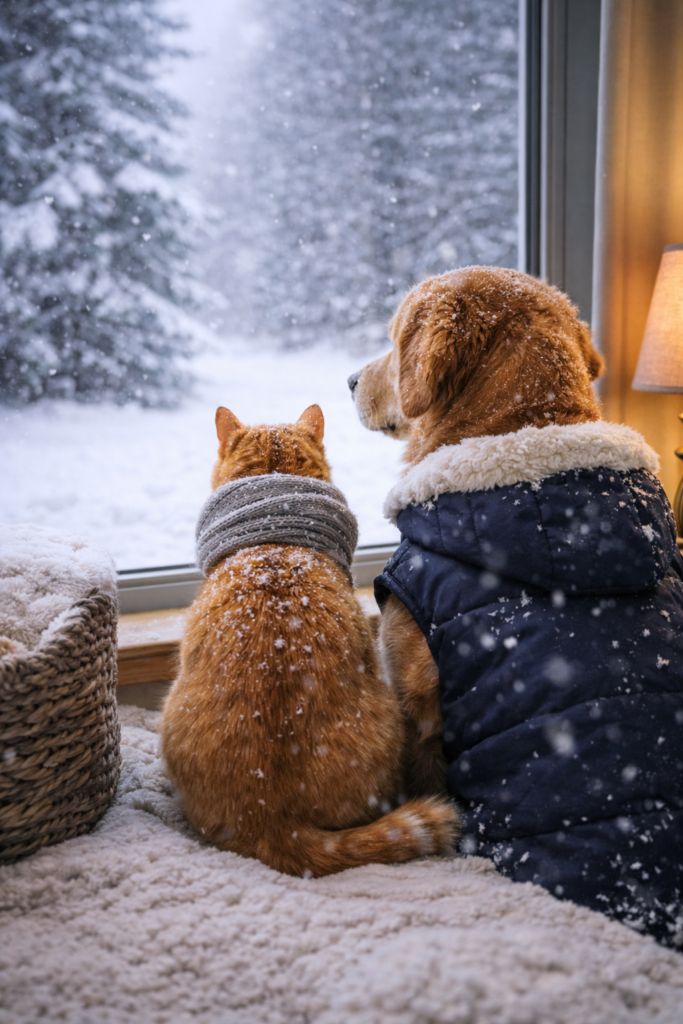
As an Arctic front moves into Colorado, dangerously cold temperatures and wind chills can create serious risks for pets. In Boulder, where daily routines often include early morning walks, foothill trails, and creek-side paths, cold exposure can become a real concern much faster than many people expect.
Pets lose body heat more quickly than humans. Even animals with thick coats are vulnerable when temperatures drop sharply, especially when wind is a factor. During Arctic cold snaps, hypothermia and frostbite can develop in a short period of time, sometimes without obvious warning signs at first.
Cold-related injuries often happen quietly. A pet may appear fine outdoors but begin showing symptoms only after returning inside, once their core body temperature has already dropped.
Why Extreme Cold Is Dangerous for Pets
Hypothermia occurs when a pet’s body temperature falls below normal. Smaller dogs, senior pets, cats, and short-haired breeds are especially at risk, but no animal is immune during severe cold. Warning signs include shivering, lethargy, weakness, slowed movement, and confusion.
Frostbite commonly affects paws, ears, tails, and noses, where circulation is limited. In Boulder, wind chill near open areas, foothills, and exposed trails can make conditions feel significantly colder than the actual air temperature.
Veterinary experts consistently advise limiting outdoor exposure during extreme cold. The American Veterinary Medical Association notes that even brief periods outdoors can be dangerous when temperatures drop sharply, particularly during wind-driven cold snaps.
Outdoor Time Should Be Brief and Purposeful
During Arctic conditions, outdoor trips should be short and focused. This is not the time for extended walks, long play sessions, or lingering stops.
Early morning and evening outings are typically the coldest and carry the highest risk. If schedules allow, adjusting walks to daylight hours can help reduce exposure slightly.
Protective gear such as insulated coats or booties may provide some benefit, but they do not eliminate risk. Exposure time remains the most important factor.
After returning indoors, check paws for ice buildup, cracking, or redness. Ice-melt chemicals commonly used on Boulder sidewalks can irritate paw pads, making a quick rinse with lukewarm water a helpful precaution.
Cats, Vehicles, and Cold-Weather Hazards
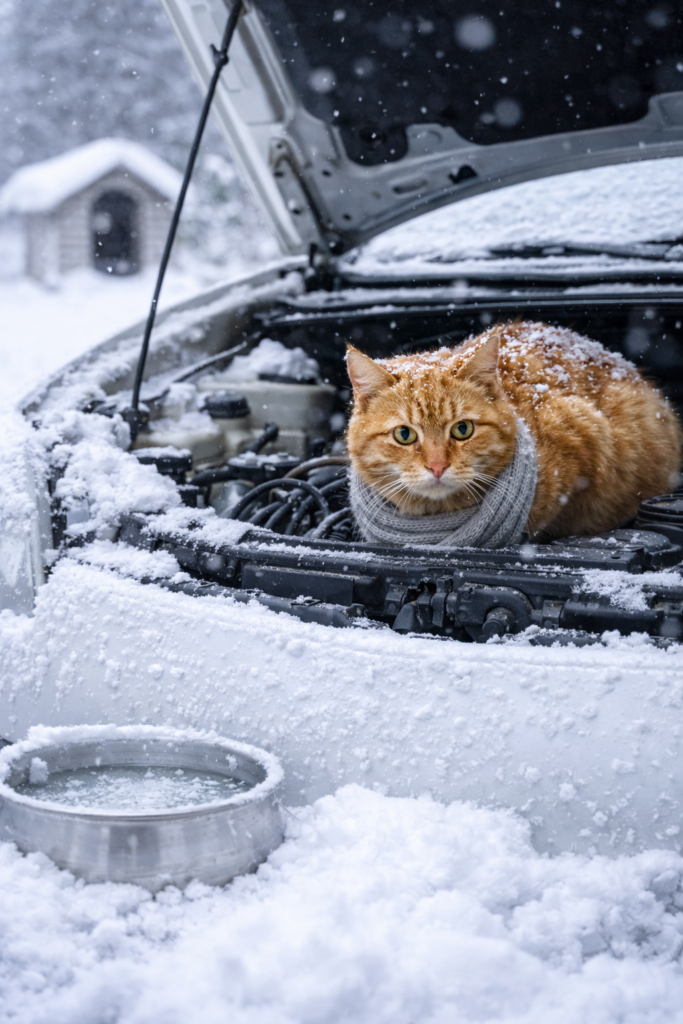
Cold weather introduces additional dangers for cats, particularly those that spend time outdoors. Cats often seek warmth near engines or under vehicle hoods. Tapping the hood or briefly honking before starting a car can help prevent accidents.
Garages, porches, sheds, and dog houses may seem sheltered but often provide little protection during Arctic temperatures. These spaces can become nearly as cold as the outdoors overnight.
Water bowls can freeze quickly, even indoors near doors or windows. Pets should always have access to fresh, unfrozen water during cold snaps.
The American Society for the Prevention of Cruelty to Animals recommends keeping pets indoors during extreme cold whenever possible, noting that freezing temperatures pose serious and sometimes fatal risks.
A Simple Rule During Arctic Cold
If it feels dangerously cold to you, it is even colder for your pet.
Boulder’s Arctic cold spells may be temporary, but their effects can be severe. Shorter outings, warmer shelter, and close observation can help protect pets until temperatures rise again.
Staying informed during extreme weather helps ensure animals remain safe, warm, and healthy through Colorado’s coldest days.