
Should Saunas Be Regulated as Part of Healthcare Infrastructure?
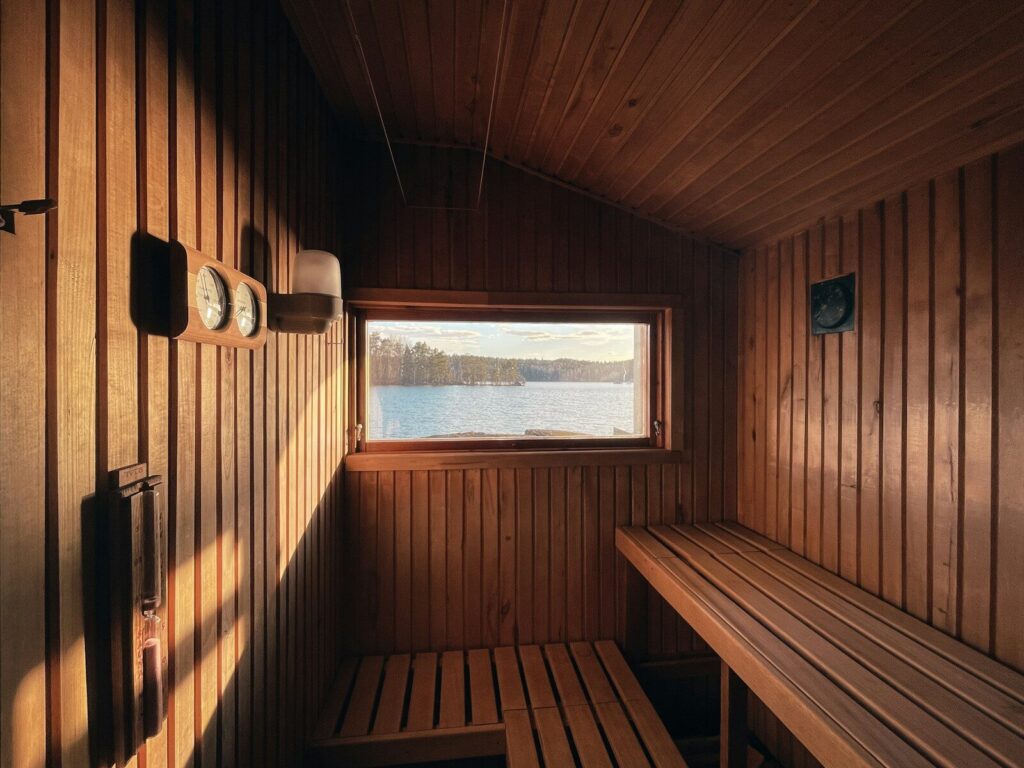
Photo by Julia Elliot on Unsplash
Saunas have long been associated with relaxation and tradition. In recent years, however, they have increasingly been promoted for cardiovascular health, stress reduction, detoxification, and even longevity. Wellness centers advertise measurable health benefits, and users treat sauna sessions as part of their preventive health routine.
But when a recreational facility begins to present itself as a health-supporting environment, does the regulatory conversation change? Should saunas remain purely lifestyle amenities, or should certain aspects of their operation be evaluated through a healthcare lens?
This question becomes more relevant when we consider not only potential benefits, but also foreseeable risks.
The Growing Health Claims Around Sauna Use
Modern wellness culture has repositioned saunas as more than simple heat rooms. Studies often highlight improved circulation, reduced blood pressure, and relaxation of muscle tension. Some facilities even market sauna use as part of cardiovascular or metabolic health programs.
If a facility actively promotes health outcomes, does it take on greater responsibility for user safety? When people with pre-existing cardiac conditions or chronic illnesses participate, the environment is no longer neutral. It becomes a setting that interacts directly with human physiology.
Heat exposure significantly alters heart rate, blood pressure, and fluid balance. For healthy individuals, this may be manageable. For vulnerable users, it may not be. And while risks are relatively uncommon, they are not unforeseeable.
Where Wellness Ends and Healthcare Begins
The distinction between wellness and healthcare is often blurred. A spa may offer relaxation. A rehabilitation center may offer hydrotherapy. A fitness facility may promote cardiovascular endurance. Each operates in slightly different regulatory spaces.
So where do saunas fall?
If saunas are positioned purely as leisure amenities, basic building and safety regulations may be sufficient. But when they are integrated into medical spas, rehabilitation clinics, or health-focused facilities, expectations naturally shift. The environment becomes part of a broader health experience, and with that comes a duty to anticipate medical emergencies.
This does not necessarily mean saunas should be classified as medical devices or healthcare facilities. It does mean that risk awareness and preparedness should scale with how they are marketed and used.
Known Risks in High-Heat Environments
Saunas expose users to elevated temperatures that increase heart rate and reduce blood pressure. Dehydration, dizziness, and fainting are known possibilities. In rare cases, individuals may experience cardiac events triggered by heat stress.
Is this reason for alarm? Not necessarily. It is, however, a reason for preparation.
When a foreseeable event could occur in a public setting, even if rarely, responsible operators must ask a simple question: if something happens, are we ready to respond?
That question shifts the focus from prohibition to preparedness.
Emergency Preparedness in Sauna Facilities
Preparedness does not require turning a sauna facility into a hospital. It requires proportionate measures. Clear signage, hydration guidance, time limits, and staff awareness can reduce risk significantly.
But what happens if a user collapses?
Many public facilities, including gyms and airports, now maintain automated external defibrillators (AEDs). These devices can dramatically improve survival rates in sudden cardiac arrest. In facilities that actively promote cardiovascular wellness, the presence of emergency response equipment becomes even more defensible.
However, installing medical devices near high-humidity, high-temperature environments introduces another layer of responsibility.
Electrical Safety Requirements for Medical Devices Near Saunas
Sauna environments are characterized by elevated heat, moisture, and condensation. These conditions can increase electrical risk, particularly when medical devices are placed nearby for emergency use.
If automated defibrillators or monitoring equipment are installed in or close to sauna facilities, they must comply with strict insulation, leakage current, and protective earth requirements. Environmental factors cannot be treated as secondary concerns. Electrical integrity becomes central to safe deployment.
Regulatory frameworks governing device insulation, protective measures, and risk controls exist precisely to address these scenarios. You can learn more about medical device electrical safety standards here.
Why does this matter? Because an emergency device intended to protect life must not introduce new hazards. Improper installation, inadequate ingress protection, or non-compliant insulation in a humid environment could compromise performance at the moment it is needed most.
Safety is not only about having the right equipment, but about ensuring it functions reliably under environmental stress.
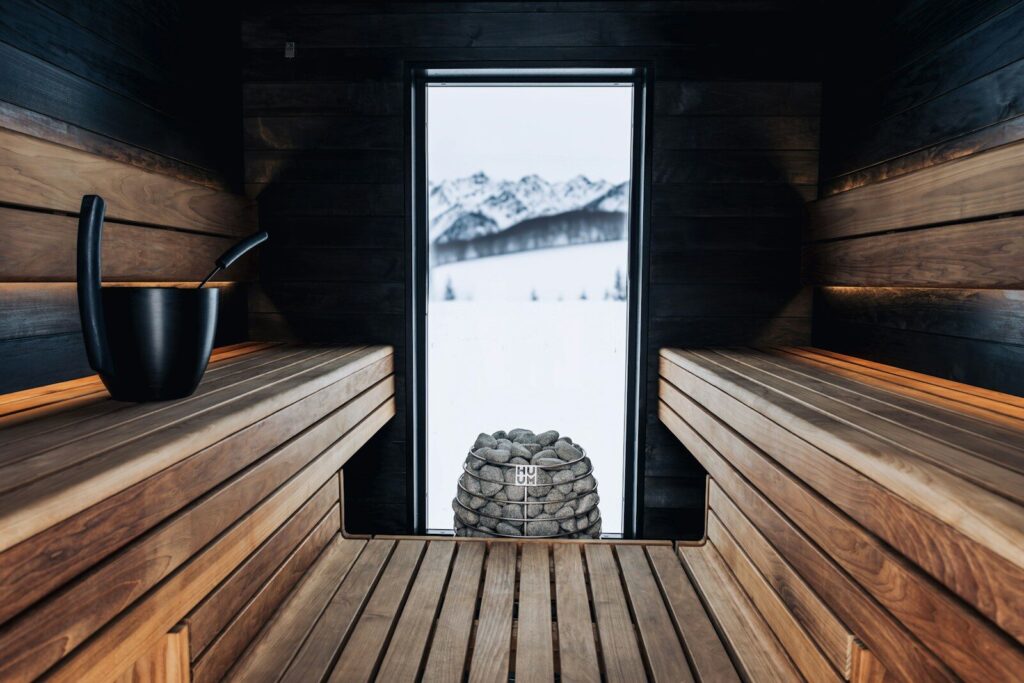
Photo by HUUM on UnSplash
A Proportionate Regulatory Approach
Should saunas be regulated as healthcare infrastructure? Perhaps not in the strictest sense. But facilities that promote measurable health benefits should consider adopting higher safety expectations voluntarily.
Regulation does not always mean restriction. Often, it means clarity. Clear expectations around signage, staff training, emergency planning, and equipment standards can enhance user confidence without burdening operators unnecessarily.
The real question is not whether saunas are medical spaces. It is whether operators acknowledge foreseeable risks and respond responsibly.
When wellness environments intersect with health outcomes, preparedness becomes part of credibility.
Conclusion
Saunas may remain recreational in classification, but their growing association with health outcomes invites deeper reflection. Heat exposure affects physiology. Vulnerable individuals may experience adverse events. Emergencies, while rare, are possible.
Rather than debating whether saunas belong inside healthcare regulation, a more constructive approach may be proportional oversight. Where health claims are made, safety planning should follow. Where emergency devices are installed, electrical and environmental standards must be respected.
Responsible operation does not diminish the benefits of sauna use. It strengthens trust.
And in spaces where relaxation meets physiology, trust is essential.