
Smoke Season in Boulder, Colorado: How to Protect Your Home, Pets, and Peace of Mind
The hazy truth is here: smoke season in Boulder has arrived.
With recent reports of wildfire smoke returning to the skies over Boulder, Colorado, residents are once again facing the unsettling reality of poor air quality, smoky sunsets, and the urgent need to protect both home and health. While wildfires may not always be close, prevailing winds can carry smoke hundreds of miles, affecting even those far from the flames.
Here’s how Boulder residents can protect their homes, pets, and lungs during smoke season—plus why this annual environmental challenge requires more awareness than ever before.
What Is Smoke Season?
Smoke season refers to the late summer and early fall months when wildfires across the West—whether in Colorado, California, or Canada—tend to spike due to heat, drought, and dry vegetation. Boulder often experiences smoke-filled skies, diminished visibility, and hazardous air quality levels during this time.
The Environmental Protection Agency (EPA) recommends monitoring local air quality regularly and taking preventive steps when the AQI (Air Quality Index) reaches “unhealthy” levels.
Protecting Your Home from Smoke Infiltration
While you can’t always control outdoor air, you can make your home a safe haven:
-
Seal Up Leaks: Use weather stripping and caulking to seal gaps around windows and doors where smoke can enter.
-
Use HEPA Filters: A high-efficiency particulate air (HEPA) filter in your HVAC system or a portable air purifier can drastically improve indoor air quality. For Boulder residents who rent, a portable unit is a smart, affordable option.
-
Create a Clean Air Room: Designate one room with limited windows and doors, outfitted with a purifier and closed off from the rest of the house, where your family and pets can breathe easier.
Caring for Your Pets During Smoke Season
Don’t forget your four-legged family members! Dogs and cats can suffer just as much—or more—from smoke inhalation.
-
Limit Outdoor Time: If the AQI is above 150, keep walks short or reschedule for better days.
-
Watch for Symptoms: Excessive coughing, eye irritation, lethargy, or difficulty breathing are signs that your pet may be affected by poor air quality.
-
Keep Windows Closed: Resist the temptation to cool down with outdoor air if it’s smoky—especially if you’ve got pets with preexisting conditions.
For more advice on pets and smoke, visit The American Veterinary Medical Association (AVMA).
A Mental Health Check, Too
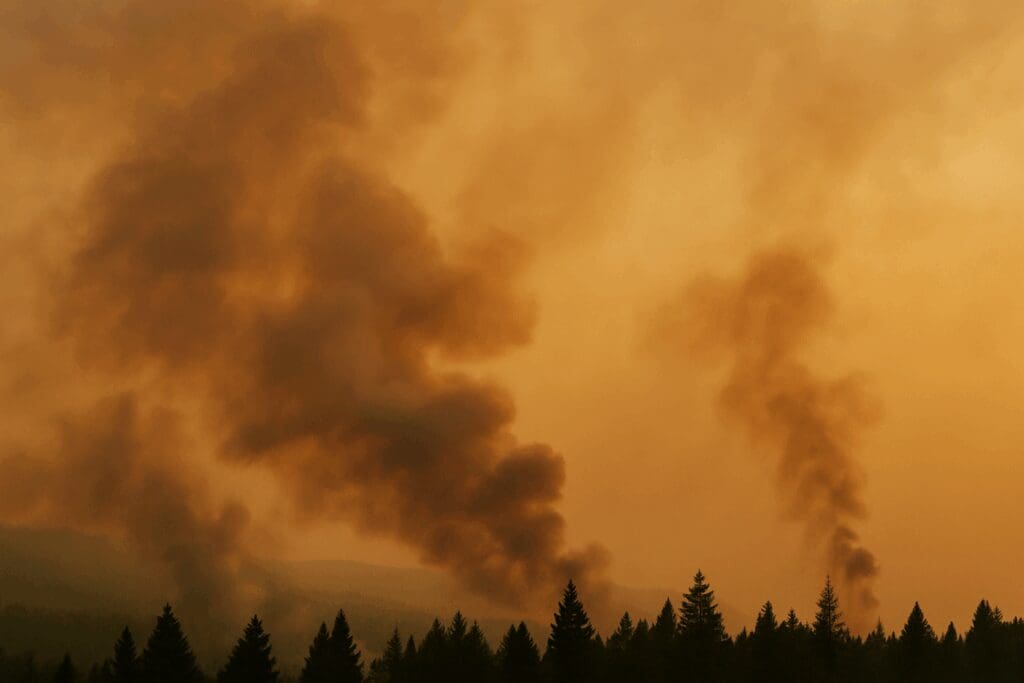
While physical protection is crucial, smoke season can also impact mental health. The smell of burning, eerie orange skies, and staying indoors for days can bring on anxiety or seasonal depression. Take care of your emotional well-being by getting enough rest, using air purifiers in your sleep spaces, and spending time in indoor wellness spaces like yoga studios or gyms with clean air systems.
You can also find uplifting local stories and resources through [aboutboulder.com], a hub that keeps the Boulder spirit alive even in challenging times.
Final Thoughts: A New Normal?
Smoke season is no longer a rare event—it’s part of living in the West. But with awareness, preparation, and care for our homes and animals, we can navigate these smoky months with more confidence and less panic.
Stay alert. Stay safe. And remember: protecting your air is protecting your life.