The Green Menace: Taking Back Our Gardens from Invasive Plants
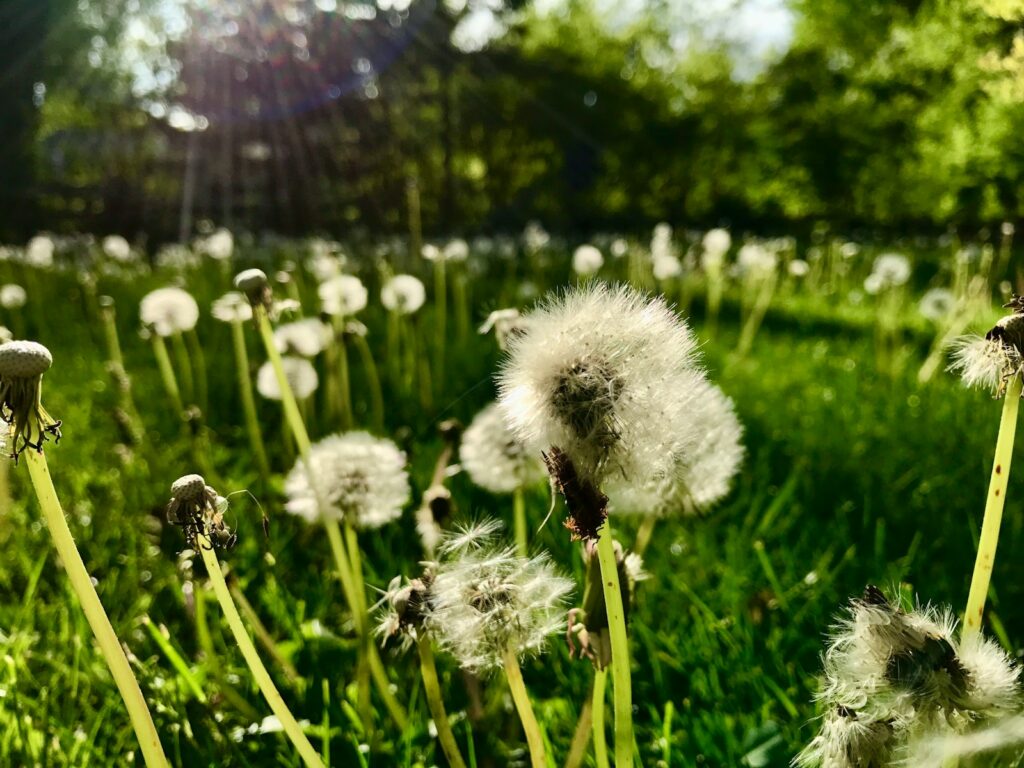
Every gardener knows the sinking feeling of spotting that first tendril of unwanted growth. And, by the time you notice it…chances are these botanical bullies have already started their silent takeover of your carefully tended space. And it hurts…
From suburban backyards to sprawling estates, invasive plants have become more than just a nuisance – they’re a genuine threat to our cherished gardens.
Let’s explore ways you can protect your garden.
Tips for Eliminating Invasive Plants
What makes these invasive plants so dangerous? Take Japanese knotweed, for instance. This seemingly innocent bamboo-like plant isn’t content to stay in its corner. It’s the neighborhood bully of the plant world, capable of muscling its way through concrete and fundamentally altering the landscape. Nearby, kudzu (AKA Japanese arrowroot or Chinese arrowroot) tells its own story of garden domination, earning its notorious nickname as the plant that’s eating the American South one backyard at a time.
Even the charming-looking English ivy holds a dark secret. Behind those elegant leaves lies a ruthless climber that can turn a thriving tree into its personal ladder, eventually choking the life out of anything it embraces. And don’t be fooled by garlic mustard’s delicate white flowers – underneath that innocent facade lurks a plant that literally poisons the soil to eliminate competition.
The Secret Life of Garden Invaders
Garden invaders are master strategists. They begin modestly, setting up beachheads along fence lines or in obscure nooks. They’ll soon be attacking lawns and flower beds in full force. These plants don’t play fair; they spread more quickly, develop quicker, and ignore the local pests that control native plants.
Winning the Garden Back
Fighting back requires strategy and patience. The timing makes all the difference – after a good rain, when the soil turns soft and yielding, even stubborn roots surrender more easily to determined pulling. For larger invasions, smothering can turn the tide.
Many gardeners rely on “mulch near me” searches to find local stores offering quality mulch, helping them protect their gardens from invasive plants and improve soil health. The right mulch creates an effective barrier, slowly but surely starving invasive plants while enriching the soil for future planting.
Sometimes, the fight requires playing the long game. Regular mowing and cutting might seem like mere harassment, but over time, this persistent approach exhausts even the most stubborn invaders. When all else fails, targeted herbicide applications become the garden equivalent of calling in an airstrike – effective but best used sparingly to avoid collateral damage to friendly plants.
Building a Stronger Defense
Smart gardeners know that prevention trumps cure. Native plants serve as natural allies in this ongoing battle. They’ve evolved alongside local wildlife, creating networks of mutual support that strengthen the entire garden ecosystem. These plants know the terrain, understand the local climate, and have developed natural defenses against local pests and diseases.
Regular garden patrols help spot trouble before it spreads. Think of it as neighborhood watch for your garden – early detection can mean the difference between a minor skirmish and a full-scale invasion. Proper disposal of invasive plants becomes crucial – carelessly tossed clippings can become tomorrow’s invasion force.
Working Together Makes All the Difference
Gardens may have fences that can protect them from red foxes and other urban-wild animals, but plants don’t care about property lines. Just ask anyone who’s watched their neighbor’s ivy creep under the fence or seen bindweed spread from one yard to the next.
Some neighborhoods have gotten smart about this – they’re starting garden clubs, and swap meets where people trade not just plants but war stories about battling these invaders. Down in Georgia, there’s even a neighborhood that holds monthly “kudzu parties” where everyone pitches in to tackle the worst spots, turning a tough job into a community event with snacks and cold drinks.
Looking Ahead to Better Gardens
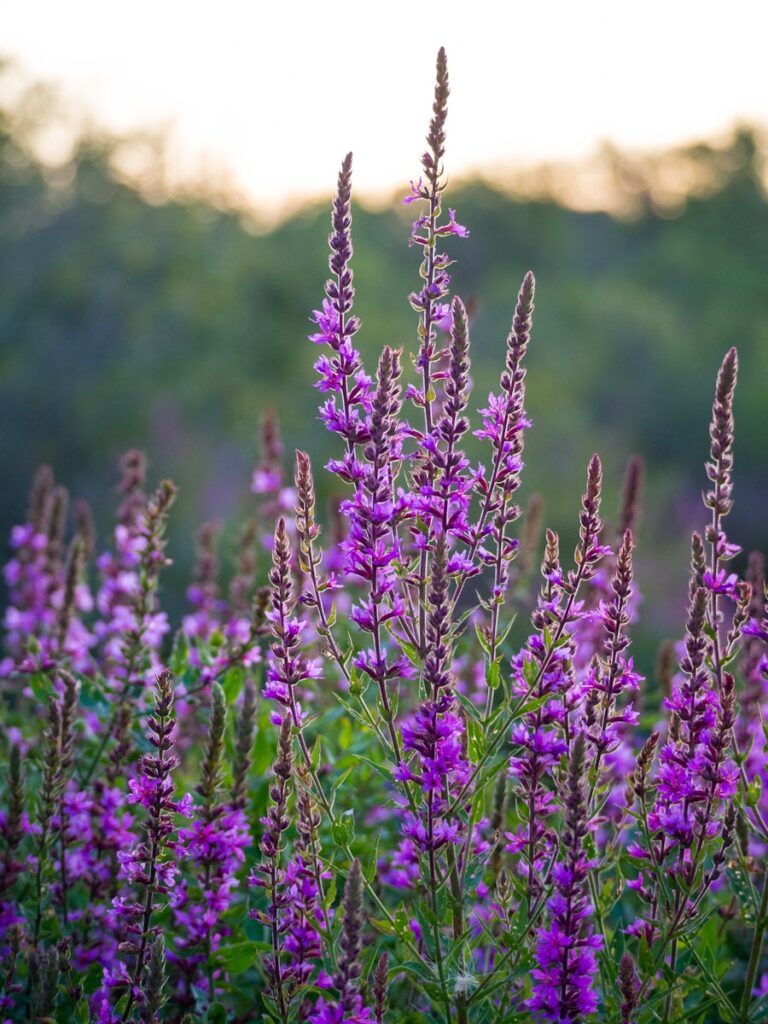
The real magic happens when a garden bounces back, and success stories matter because they show what’s possible. Sure, it takes work – sometimes years of it. But there’s something deeply satisfying about seeing a patch of native wildflowers bloom where Japanese knotweed once ruled. Or watching kids get excited about the monarchs visiting the milkweed that replaced that thorny mess of multiflora rose.
Some folks still think a garden needs to look like a magazine cover – all perfect and manicured. But there’s a growing understanding that the best gardens are actually wild at heart. They’re places where beneficial insects can find shelter, where birds can grab a snack, and where the soil stays healthy because it’s full of all the right kinds of life.
Conclusion
This isn’t just about pretty flowers or perfect lawns anymore. It’s about making sure our kids and grandkids can experience the joy of seeing a garden come alive in spring or the satisfaction of growing their own tomatoes in soil that hasn’t been poisoned by years of invasive plants. Every garden we save from these invaders becomes part of a bigger picture – a neighborhood, a community, an ecosystem that works the way nature intended.