
The Strategic Misstep Most Companies Make in Their Warehouse Operations
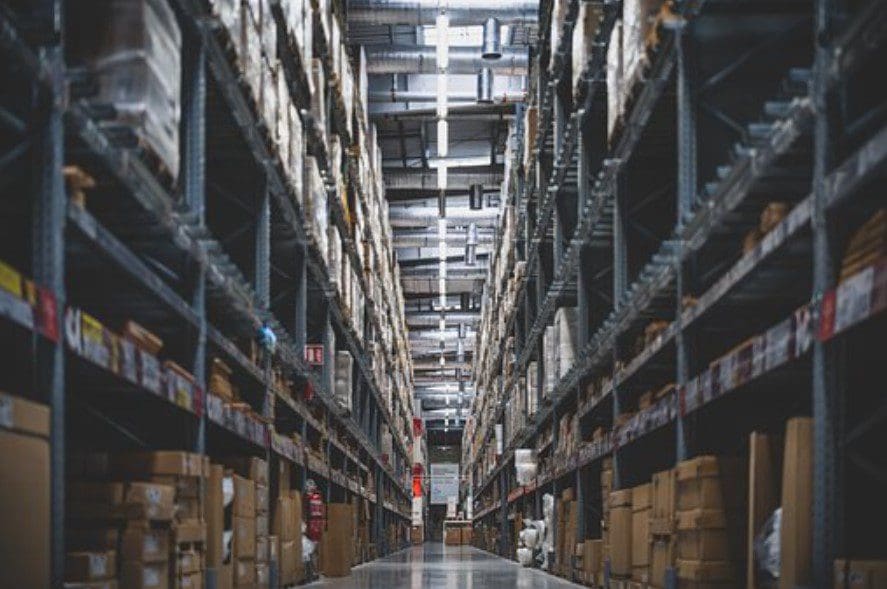
The push toward efficiency has transformed nearly every corner of modern business—from lean marketing teams to agile software development cycles. But for all the attention paid to scaling front-end systems, the physical backbone of many companies remains stuck in a holding pattern.
Warehouse operations, often treated as a behind-the-scenes function, carry far more strategic weight than most leaders realize. When overlooked, they quietly chip away at margins, delay fulfillment, and introduce friction just when momentum is needed most.
The problem isn’t the warehouse itself. It’s how companies think about it.
The Warehouse: The Forgotten Link in Strategic Growth
For many businesses, the warehouse sits at the end of the decision chain—an afterthought once marketing plans, sales forecasts, and procurement goals are set. It’s expected to absorb growth without adjustment, quietly handling more volume, more SKUs, and tighter timelines.
But a warehouse doesn’t scale just because the rest of the business does. Physical space, equipment availability, and staffing capacity don’t expand by default. When operations leaders are forced to stretch existing resources too far, the cracks start to show.
Pallets pile up. Turnaround times slip. Customers feel the slowdown before the executive team even notices it.
Treating the warehouse as a reactive unit instead of a strategic one is one of the most common missteps growth-stage companies make. It’s not a matter of spending more—it’s about aligning operations with the pace and complexity of the business itself.
The Most Common Mistake: Rigid Infrastructure Thinking
As businesses grow, the instinct is often to gain control through ownership—more space, more equipment, more internal staffing. On paper, it seems efficient. In reality, it often locks teams into rigid models that struggle to respond when demand shifts unexpectedly.
Warehouses built around fixed assets can’t adapt easily. Forklifts already running double shifts can’t cover a sudden spike. Layouts optimized for last year’s volume become bottlenecks overnight. And when something breaks, everything backs up.
That’s the strategic misstep: designing for control instead of flexibility. Rather than building warehouse operations with elasticity in mind, companies commit to long-term leases, buy machinery outright, or overstaff in anticipation—only to be left with unnecessary costs or capacity issues.
The irony is that these decisions are usually made in pursuit of flexibility.
How Smart Operators Are Building Flexible, Localized Warehousing Models
Adaptability on the warehouse floor is no longer a luxury; it’s a necessity. When systems break down or volumes surge, teams without access to fast, local support often scramble to stay afloat.
More warehouse managers are now embracing flexible access strategies. Temporary solutions—whether for staffing, space, or equipment—are helping maintain continuity without long-term risk.
A quick forklift rental near me search on Google is often the first move when local managers need immediate support. It’s not about giving up control. It’s about empowering teams to respond in real time when traditional procurement cycles fall short.
The ability to solve problems at the ground level, quickly and locally, has become one of the defining characteristics of efficient warehouse operations.
Why Localized Access Matters in a Global Supply Chain
Global logistics networks may span continents, but breakdowns often begin close to home. Without fast access to the right equipment, even minor issues inside a warehouse can trigger costly delays throughout the supply chain.
That’s why fast, local access to equipment is becoming a strategic advantage. When fulfillment teams face a surge, they can’t afford to wait for equipment to be rerouted from another region. Local vendors offer same-day solutions that keep things moving.
And it’s not just about reacting quickly. It’s about building systems that can absorb change without disruption. Whether it’s short-term forklift rentals, emergency racking, or replacement scanners, dependable local sourcing is essential to agility.
According to McKinsey’s research on proactive supply chain resilience, companies that decentralize and plan for real-time disruptions are better positioned to stay competitive. Warehousing is no exception. It’s not enough to have strong suppliers—they need to be nearby.

Metrics That Matter: Measuring the Cost of Inflexibility
Delayed shipments and rising labor costs are easy to spot. But the deeper costs of inflexible warehouse systems often go unmeasured and unnoticed.
Many companies focus on throughput or order accuracy, but those metrics don’t always expose underlying strain. More revealing indicators include equipment downtime, order lag due to capacity limits, or recurring workarounds like shift extensions and manual rerouting. If your warehouse is constantly in reactive mode, the system is already behind.
The costs add up quietly—extra labor hours, late penalties, degraded customer experience. And because these aren’t always labeled as direct losses, they’re often accepted as the cost of doing business.
Tracking smarter performance data helps identify these issues before they drag on growth. The most agile teams are already redesigning their operations, investing in more adaptable layouts, smarter tooling, and transforming warehouse management to prevent inefficiency from becoming entrenched.
Final Thought: Reframing the Warehouse as a Strategic Asset
Warehouses have traditionally been seen as background infrastructure—necessary, but secondary. That thinking no longer works.
Customer expectations are faster. Inventory turnover is tighter. And success increasingly depends on whether your fulfillment systems can support your ambition.
The most effective operators view their warehouse not as a cost center but as a performance lever. They prioritize flexibility, empower local teams, and design for speed without overcommitting long-term resources.
It’s not about spending more. It’s about building smarter systems that can respond when it counts.