They’re Back: Snake Season Has Officially Started in Boulder
They’re Back: Snake Season Has Officially Started in Boulder
Spring is waking up across Boulder—and that includes one of the most talked-about signs of the season: snakes returning to the trails.
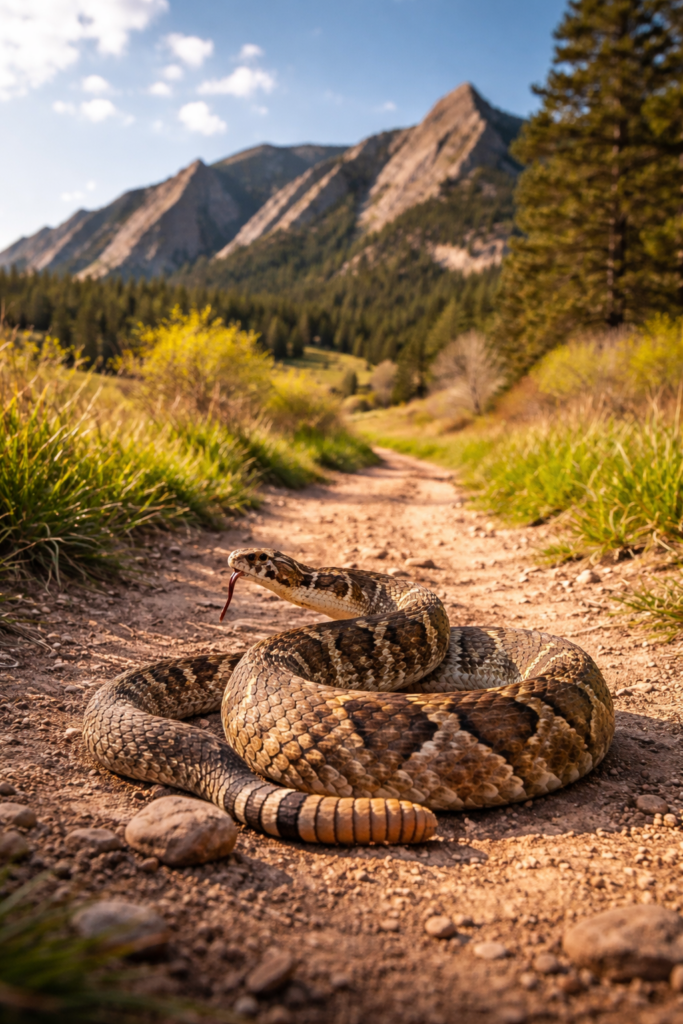
As temperatures climb along the Front Range, snakes are emerging from winter dormancy, known as brumation. This seasonal shift typically begins in March and builds through April and May, especially after a few warm, sunny days in a row.
For hikers, dog owners, and anyone spending time outdoors, this is the moment to be aware—not alarmed, just aware.
Why Snake Activity Is Increasing Now
Snakes rely on external heat to regulate their body temperature. After spending the winter underground, they come out in spring to warm up, feed, and begin their active season.
In Boulder, even a short stretch of warm weather can trigger movement. South-facing slopes heat up first, followed by open meadows and rocky terrain—exactly the kind of landscapes that define many of Boulder’s most popular trails.
That’s why early spring sightings tend to happen in predictable places.
Where You’re Most Likely to See Snakes
Snake activity is most common in:
- Rocky foothill trails and sun-exposed slopes
- Open space grasslands and meadows
- Trail edges with tall grass or brush
- Areas that hold warmth, like dirt paths and flat rocks
Spots around the Flatirons, South Boulder, and Marshall Mesa often see early-season movement—but sightings can happen anywhere conditions are right.
The One Snake to Be Aware Of
Most snakes in Boulder are harmless and actually beneficial to the ecosystem, helping control rodent populations.
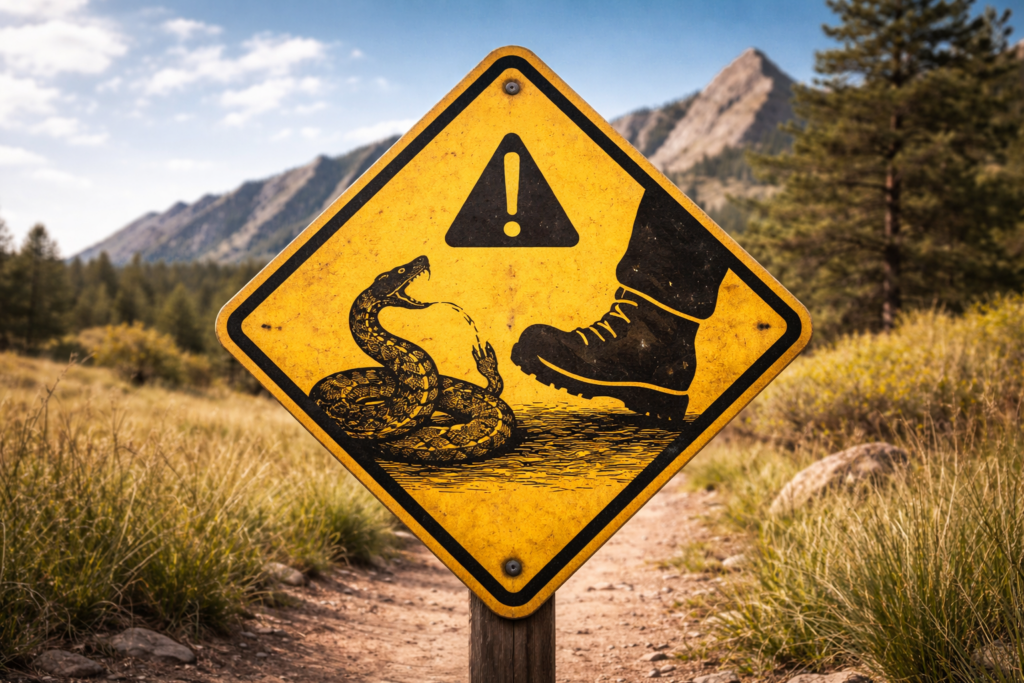
However, the prairie rattlesnake is the only venomous species in the area.
The key thing to know: rattlesnakes are not aggressive. They prefer to avoid people and will usually give a warning—a distinct rattle—if they feel threatened. That sound is your signal to stop, step back, and give the snake space.
Simple Trail Tips That Make a Big Difference
A few small habits can dramatically reduce your chances of a negative encounter:
- Stay on designated trails whenever possible
- Avoid stepping over rocks or logs without looking
- Keep dogs on a leash, especially in open space areas
- Watch where you place your hands and feet when climbing or resting
- Give any snake plenty of space—never approach or try to move it
Snake activity is highest from late morning through late afternoon, particularly on warm, calm days.
A Sign That Spring Has Arrived
Snake season might catch people off guard, but it’s a natural and important part of Boulder’s ecosystem. These animals play a key role in maintaining balance in the environment and are far more interested in going about their day than interacting with humans.
For many locals, their return is simply another reminder that winter is over and Boulder’s trails are coming back to life.
A little awareness goes a long way. Stay alert, respect wildlife, and enjoy everything that spring in Boulder has to offer.