
Trail Running in Boulder Colorado During Winter: Cold Air, Clear Miles, and Quiet Trails

Winter trail running in Boulder strips the experience down to its essentials. The air is sharp, the crowds thin out, and every footstep feels more deliberate. For runners who enjoy solitude, focus, and dramatic scenery, winter can be the most rewarding season of all.
Boulder’s trail network remains surprisingly runnable year-round if you approach it with the right mindset. Snow, ice, and cold temperatures are part of the equation, but they don’t need to stop you. Instead, they invite a smarter, more intentional way of moving through the foothills.
Why Winter Trail Running Works in Boulder
Boulder’s climate and geography make winter trail running more accessible than many people expect. Many lower-elevation trails receive plenty of sun, which helps melt snow quickly after storms. South-facing routes often turn runnable within days, sometimes even hours.
Winter also brings a noticeable shift in energy. Trails that feel busy in summer become calm and spacious, allowing runners to find rhythm without interruption. The quieter environment makes it easier to focus on breathing, footing, and flow.
Choosing the Right Trails
Not all Boulder trails are created equal in winter. Routes with southern exposure, moderate grades, and consistent traffic tend to pack down snow and ice, making them more manageable for running. Flagstaff, Mesa Trail segments, and parts of Mount Sanitas often fall into this category.
It is essential to check current conditions before heading out. Trail closures, icy sections, or temporary access changes can affect your plan, especially after storms. The most reliable place to confirm up-to-date information is here.
OSMP trail closures and conditions
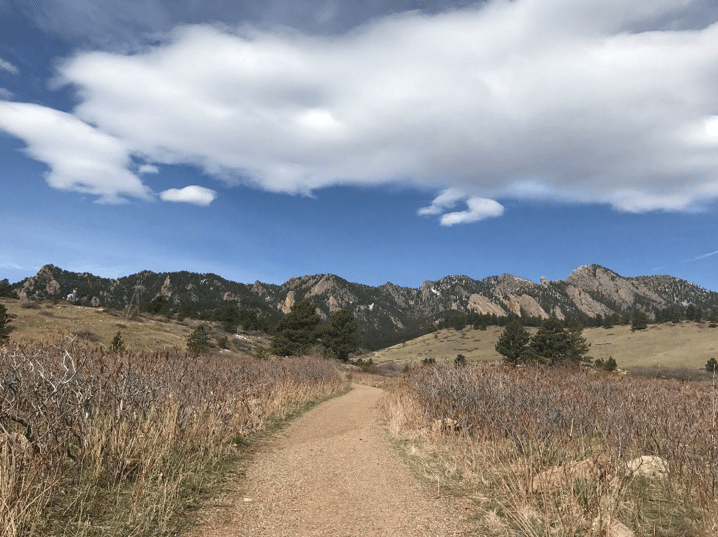
Mesa Trail
Footing, Traction, and Smart Pacing
Footing is the defining factor in winter trail running. Packed snow can feel stable, while shaded sections may hide slick ice. Many runners rotate between standard trail shoes and light traction devices depending on conditions.
Pacing naturally slows in winter, and that is not a setback. Shorter strides, higher cadence, and controlled movement reduce the risk of slips while preserving energy. Winter trail running rewards patience more than speed.
Clothing for Cold, Changing Conditions
Layering is critical for comfort and safety. Start slightly cool, knowing your body will warm quickly once you settle into a steady effort. Breathable base layers, wind-resistant shells, and gloves you can easily remove make a big difference.
Visibility matters in winter as well. Shorter daylight hours mean early mornings or late afternoons may involve low light. Bright colors and reflective elements help ensure you remain visible on shared trails and roads.
Safety Mindset for Winter Running
Winter conditions demand a heightened awareness of limits. Ice, wind exposure, and sudden weather shifts can turn a short run into a challenging situation if you are not prepared. Carrying a phone, telling someone your route, and choosing familiar trails are simple but effective habits.
National trail organizations emphasize preparation, adaptability, and route awareness during cold-weather running. These principles are especially relevant in Boulder’s foothills during winter months.
Mental Benefits of Winter Miles
There is a mental clarity that comes from winter trail running. Without crowds or distractions, runners often describe a deeper sense of focus and calm. The contrast between cold air and steady effort creates a grounding effect that is hard to replicate in other seasons.
Many runners find that winter miles build resilience that carries into spring. Running through cold and variable conditions strengthens both body and mindset. When the trails dry out, everything feels easier.
Respecting the Trails and Other Users
Winter trails are shared spaces, and conditions can change quickly. Staying on packed paths helps prevent damage to soft surfaces underneath snow. Yielding when necessary and being mindful of hikers and dogs keeps the experience positive for everyone.
Responsible winter running helps preserve Boulder’s trail system for all seasons. A little awareness goes a long way in maintaining access and safety.
Why Winter Trail Running Belongs in Your Routine
Trail running in Boulder during winter is not about pushing limits for the sake of it. It is about adapting, listening to the environment, and finding joy in quieter miles. The experience feels more personal and less performative.
For runners who value connection to place and season, winter running offers something unique. Boulder’s trails continue to deliver even when temperatures drop, proving that movement does not need perfect conditions to be meaningful.
Winter trail running in Boulder is not a compromise. It is a different version of the same promise the trails always make: show up with respect, move with intention, and the experience will give back more than you expect.