
Wildfires Caused by Negligence: Understanding Human-Triggered Disasters
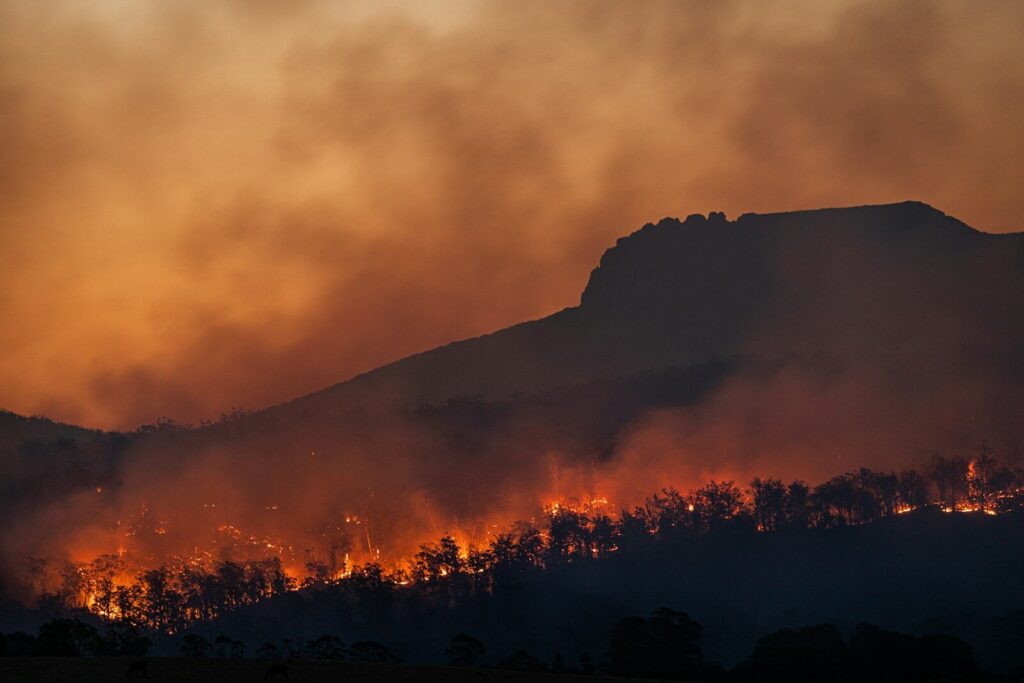
Photo by Matt Palmer on Unsplash
Each year, thousands of wildfires sweep across landscapes, consuming forests, grasslands, and communities in their path. While lightning strikes and other natural phenomena account for some of these blazes, a staggering percentage stem from human activity. Among the most preventable yet devastating categories are wildfires caused by negligence. These are fires that begin not from malicious intent, but from carelessness, oversight, or failure to exercise reasonable caution.
The Scope of Human-Caused Wildfires
According to fire management agencies, humans are responsible for approximately 85% of all wildfires in the United States. While some of these fires result from intentional acts like arson, the majority trace back to negligent behavior. This negligence takes many forms, from improperly discarded cigarettes to poorly maintained equipment, and the consequences extend far beyond the immediate burn zone.
The financial toll alone is staggering. Wildfire suppression costs have exceeded $2 billion annually in recent years, not accounting for the billions more in property damage, loss of natural resources, and long-term economic impacts on affected communities. Beyond these numbers lie immeasurable losses: wildlife habitats destroyed, air quality degraded across entire regions, and lives forever altered.
Common Sources of Negligent Wildfires
Campfires and Recreational Activities
Outdoor recreation brings millions of people into wildland areas each year. Unfortunately, poorly managed campfires remain a leading cause of accidental wildfires. Campers who fail to fully extinguish fires, build them during burn bans, or leave them unattended create conditions ripe for disaster. Even a single ember can smolder for hours before catching wind and igniting surrounding vegetation.
Debris Burning
Agricultural burning and yard waste disposal account for a significant portion of negligence-related wildfires. Landowners burning brush piles during high-wind conditions or dry periods, failing to clear adequate firebreaks, or leaving burn piles unattended have inadvertently sparked massive conflagrations. What begins as a controlled burn on private property can quickly escalate into a regional emergency when basic safety protocols aren’t followed.
Equipment and Vehicle Malfunctions
Mechanical equipment generates heat and sparks—a dangerous combination in dry environments. Lawnmowers operating over dry grass, chainsaws without proper spark arrestors, and vehicles with dragging chains or malfunctioning catalytic converters have all ignited wildfires. The negligence lies not always in the use of such equipment, but in failing to inspect it properly, operate it during appropriate conditions, or take necessary precautions in high-risk areas.
Power Line Infrastructure
Utility companies bear responsibility for maintaining electrical infrastructure, and negligent maintenance has resulted in some of the most destructive wildfires in recent history. Aging power lines, vegetation growing too close to electrical equipment, and failure to upgrade systems in high-risk areas have sparked catastrophic fires. When utilities fail to conduct routine inspections, trim vegetation, or implement proper safety protocols, entire communities can pay the price.
Discarded Smoking Materials
The simple act of tossing a cigarette butt from a car window or failing to properly extinguish smoking materials has ignited countless wildfires. Despite public awareness campaigns, this form of negligence persists. A smoldering cigarette landing in dry grass alongside a highway can transform into a wind-driven inferno within minutes.
The Chain Reaction of Negligence
What makes negligent wildfires particularly frustrating is their preventability. Each incident represents a breakdown in judgment, awareness, or responsibility. A campfire left burning while its creator sleeps. A property owner burning debris on a red flag warning day. A utility company postponing routine maintenance. These decisions—or failures to decide—set off chain reactions with far-reaching consequences.
Once ignited, wildfires spread based on fuel availability, topography, and weather conditions. The initial negligent act may seem minor, but environmental factors can rapidly amplify its impact. A small grass fire on a windy day can travel across miles, jumping roads and firebreaks, eventually threatening structures and lives far from the ignition point.
Environmental and Health Impacts
The environmental damage from negligent wildfires extends well beyond visible burn scars. Soil structure deteriorates, making erosion more likely and affecting water quality in downstream areas. Wildlife populations suffer both immediate mortality and long-term habitat loss. Ancient trees and unique ecosystems that took centuries to develop can disappear in hours.
Air quality degradation affects millions of people far from the fire itself. Smoke plumes carry particulate matter hundreds of miles, triggering respiratory problems, exacerbating existing health conditions, and forcing widespread activity restrictions. Vulnerable populations—children, elderly individuals, and those with respiratory conditions—face heightened risks from exposure to wildfire smoke.
Prevention Through Awareness and Accountability
Reducing negligent wildfires requires both individual responsibility and systemic accountability. Public education campaigns must emphasize the real consequences of seemingly minor oversights. Fire danger rating systems need broader awareness and stricter adherence. During high-risk periods, temporary restrictions on activities like campfires, debris burning, and equipment use can prevent disasters.
Accountability mechanisms matter too. When negligent acts cause wildfires, consequences ranging from financial liability to criminal charges can reinforce the importance of caution. However, prevention through education and awareness remains preferable to after-the-fact consequences.
Wildfire Outlook
Wildfires caused by negligence represent a tragic category of disaster because they’re largely preventable. Unlike natural ignitions from lightning strikes, these fires stem from human choices and oversights. Every discarded cigarette, unattended campfire, and poorly maintained piece of equipment represents a potential catastrophe waiting to unfold.
As climate change extends fire seasons and creates more volatile conditions, the margin for error continues shrinking. What might have been a minor oversight decades ago can now trigger a megafire. Understanding common sources of negligent wildfires and committing to responsible behavior in wildland areas isn’t just about personal accountability—it’s about protecting communities, ecosystems, and future generations from entirely preventable destruction.