Your Complete Boulder Commercial Property Playbook
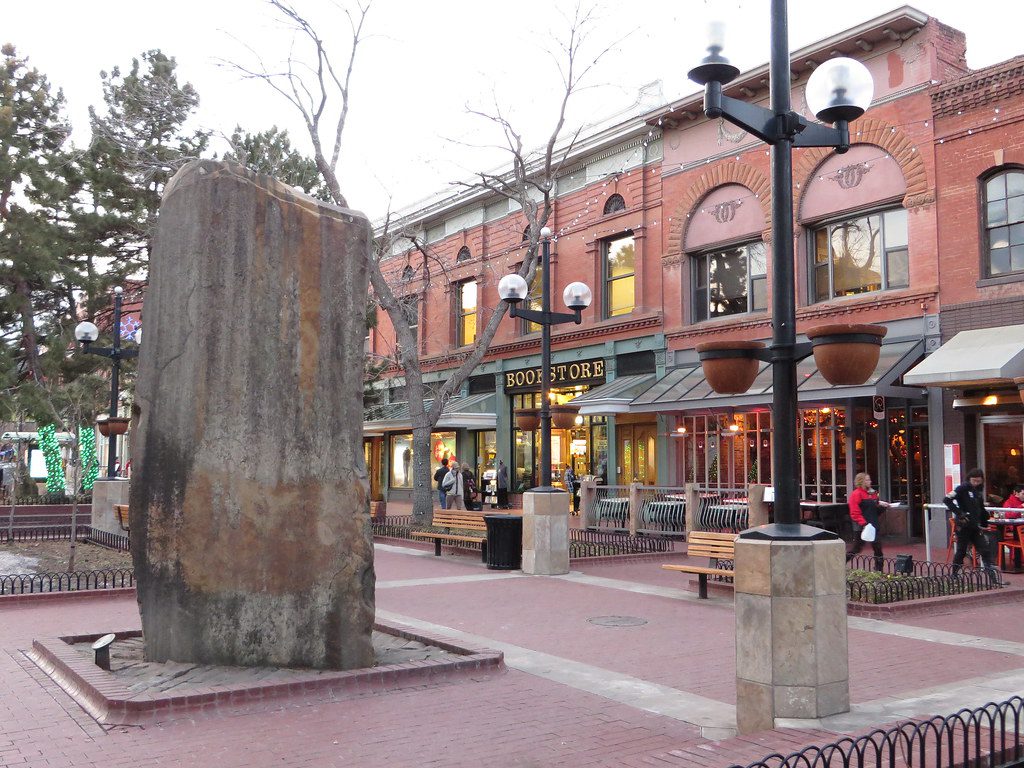
Owning commercial property in Boulder puts you at the heart of one of Colorado’s most dynamic business environments. Whether you’re managing office space on Pearl Street or industrial facilities near the Diagonal Highway, success requires navigating a complex landscape of regulations, opportunities, and unique local challenges.
Navigating Boulder’s Business Climate and Economic Landscape
Boulder’s economy thrives on innovation. The city hosts over 684,000 small businesses that form the backbone of Colorado’s commercial landscape. Major industries cluster here naturally – aerospace companies near the Rocky Mountain Metropolitan Airport, tech startups flooding downtown, and bioscience firms gravitating toward CU Boulder’s research facilities.
Your property sits in a market where vacancy rates stay remarkably low. Competition for quality commercial space drives rental rates higher than most Colorado markets. Yet businesses keep coming. Why? The workforce here holds more advanced degrees per capita than almost anywhere in the nation. That educated talent pool attracts companies willing to pay premium rents.
The University of Colorado anchors this ecosystem, spinning off startups and attracting research dollars that flow through the local economy. Federal laboratories like NIST and NOAA add another layer of stability. These institutions won’t relocate during economic downturns, providing steady demand for commercial space even when other markets wobble.
Understanding Property Taxes and Financial Considerations
Property taxes hit your bottom line hard in Boulder. Commercial properties face an assessment rate of 27.9% of actual value – significantly higher than residential rates. Mill levies vary by location, but expect total rates around 88.50 mills in many areas.
Here’s what that means practically. A million-dollar property gets assessed at $279,000. Multiply that by your local mill levy, and you’re looking at substantial annual taxes. The county reassesses values every two years, and in Boulder’s hot market, those assessments tend to climb.
But opportunities exist to offset these costs. The city’s Flexible Rebate Program rewards primary employers who expand locally. Rebates range from $5,000 to $100,000, covering permit fees and taxes on facility improvements. You’ll need to meet sustainability guidelines and demonstrate that at least half your revenue comes from outside Boulder County.
Don’t forget about sales and use taxes. Boulder charges 3.86% on top of state and county rates. Construction materials, equipment purchases, even some services trigger tax obligations. Remote sellers now face collection requirements too if they exceed $100,000 in Colorado sales annually.
Mastering Zoning and Development Regulations
Boulder’s zoning system might seem Byzantine at first glance. The city uses modular zoning – combining use, form, and intensity standards to create specific districts. Your property’s designation determines everything from permitted activities to building heights.
Commercial zones range from neighborhood business districts to regional centers. Industrial zones separate into light manufacturing and service industrial categories. Mixed-use districts blur these lines intentionally, encouraging the live-work-play environments Boulder prizes. Check your property’s specific modules carefully. That innocuous-looking code contains crucial details about setbacks, lot coverage, and allowable uses.
Past planning approvals create another layer of complexity. Properties often carry restrictions from previous use reviews or development agreements. Before planning any changes, dig into the property’s history. What seems like a simple tenant improvement might trigger review requirements you didn’t anticipate.
Energy Efficiency and Sustainability Requirements
Boulder takes climate commitments seriously, and your property must comply. The Building Performance Ordinance requires annual energy reporting through ENERGY STAR Portfolio Manager for buildings over 20,000 square feet. Larger buildings face earlier deadlines and stricter requirements.
Starting December 2024, new construction must meet Boulder’s updated energy code emphasizing electrification. Gas heating? Generally prohibited in new buildings, though exceptions exist for commercial kitchens and certain industrial uses. The code pushes toward net-zero emissions by 2035.
These sustainability standards extend beyond energy use. Stormwater management, green infrastructure requirements, and waste diversion mandates all factor into compliance. Properties need comprehensive approaches – which is why many owners work with specialized firms. A rainwater drainage design consultancy can help engineer solutions that meet Boulder’s strict environmental standards while protecting your property from seasonal flooding risks.
Energy assessments come due every ten years, examining everything from HVAC efficiency to building envelope performance. Miss these requirements and face fines up to $1,000 daily. The city means business about building performance.
Managing Seasonal Maintenance and Property Protection
Boulder’s location creates unique maintenance challenges. Spring brings hailstorms – some producing golf ball-sized stones or larger that pummel roofs and HVAC equipment. Schedule inspections after major storms. Small damage compounds quickly here.
Winter demands different preparations. Snow loads stress flat commercial roofs, especially when freeze-thaw cycles create ice dams. Keep drains clear – a backed-up drainage system during spring melt creates expensive problems. Temperature swings from -20°F to 60°F within days test building materials constantly.
Summer isn’t much easier. Afternoon thunderstorms dump inches of rain in minutes, overwhelming unprepared drainage systems. Properties near the wildland interface need defensible space maintenance. Even urban properties face wildfire smoke that clogs HVAC filters and infiltrates buildings.
Create maintenance schedules that acknowledge these realities. Monthly tasks during transition seasons, weekly checks during extreme weather periods. Your property faces conditions that would challenge buildings anywhere.
Insurance Requirements and Risk Management
Standard commercial property policies often fall short in Boulder. You need coverage specifically addressing local risks. Hail damage usually requires separate deductibles – sometimes percentage-based rather than fixed amounts. Flood insurance? Not included in basic policies despite Boulder’s flash flood risks.
Workers’ compensation is mandatory with even one employee. General liability protects against customer injuries and property damage claims. But consider excess liability coverage too. One major incident can exceed standard policy limits quickly.
The new Colorado FAIR Plan provides last-resort coverage for properties unable to find standard insurance. While primarily targeting wildfire-prone residential areas, commercial coverage becomes available summer 2025. It’s not ideal – rates run higher than standard policies – but it beats going uninsured.
Annual premiums vary wildly based on location, building type, and coverage levels. A small retail space might pay $1,200 yearly, while a restaurant with expensive equipment could face $3,500 or more. Get multiple quotes. Boulder’s unique risks mean wide variations between carriers.
Leveraging Local Resources and Building Your Support Network
Success in Boulder requires connections. The Boulder Chamber of Commerce and Downtown Boulder Partnership provide networking opportunities and advocacy. Join them. These organizations shape policies affecting your property.
Financial resources exist for qualifying businesses. The Boulder Microloan Program offers up to $50,000 through Colorado Enterprise Fund. Not huge money, but enough for crucial improvements when traditional lending falls short.
Build relationships with contractors who understand Boulder’s codes. The city’s requirements differ from surrounding communities. That low bidder from Denver might not know about Boulder’s energy code quirks or historic preservation reviews.
Stay informed about regulatory changes through the city’s business newsletter and planning department updates. Rules evolve constantly here. Missing a new requirement costs more than staying current. Consider joining committees or attending public meetings. Your voice matters in shaping policies that affect property owners.
Boulder rewards prepared property owners. Master these fundamentals, build strong professional networks, and your commercial property investment will thrive in one of Colorado’s most dynamic markets.