Boulder and the Buzz: Why Bees Are the Unsung Heroes of the Foothills
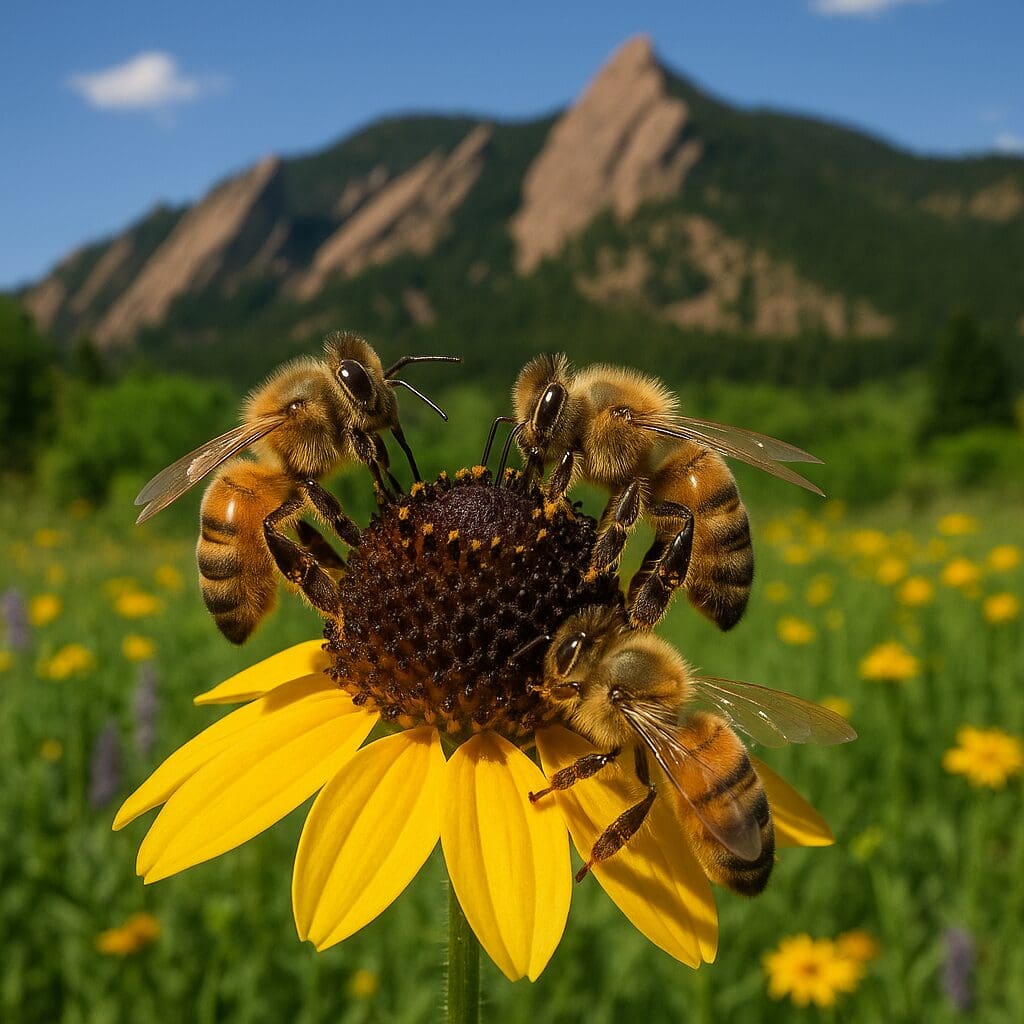
Boulder, Colorado, may be best known for its Flatirons and progressive mindset, but there’s another quiet force working behind the scenes to keep the city vibrant: bees. These humble pollinators are essential to Boulder’s wildflower-filled trails, backyard gardens, and sustainable agriculture—and the city is stepping up to make sure they’re protected.
Why Bees Matter in Boulder
From Chautauqua meadows to North Boulder gardens, bees are the unseen workers keeping ecosystems alive. In fact, around one-third of the food we eat depends on pollinators like bees, according to the U.S. Department of Agriculture. Everything from apples and almonds to sunflowers and squash relies on them.
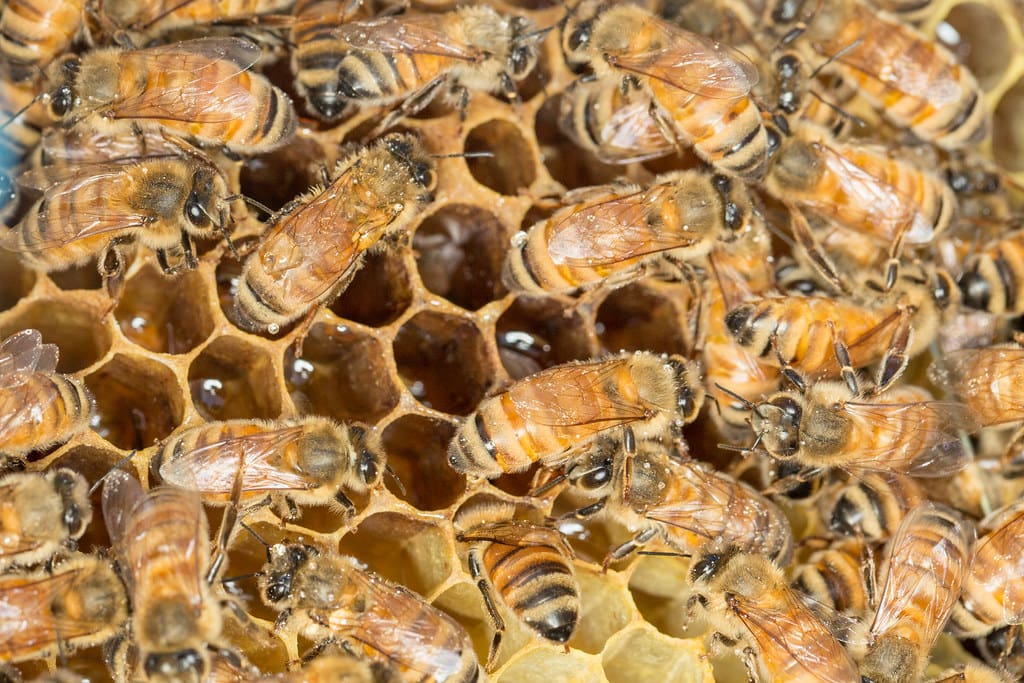
In Boulder’s microclimate, bees thrive thanks to a blend of wildlands, home gardens, and urban farms. The presence of bee-friendly plants like lavender, echinacea, and milkweed gives native pollinators a rich buffet of nectar and pollen.
Boulder’s Bee-Friendly Push
Boulder has long been a leader in environmental advocacy, and its approach to bee protection is no exception. Local organizations such as Growing Gardens and Bee Safe Boulder have championed practices that support pollinator health. These include pesticide-free gardening, planting native flora, and providing habitats like bee hotels and hives in community spaces.
CU Boulder has also taken a scientific approach to the issue. Researchers in the Ecology and Evolutionary Biology department are studying the effects of urbanization on bee populations and advising how cities like Boulder can adapt for a pollinator-friendly future.
Local Buzz: Where to Spot Bee Power in Action
Want to see Boulder’s bees at work? Start with a walk through the Boulder Farmers Market, where local honey producers like Björn’s Colorado Honey showcase their golden harvest. Visit community gardens around North Boulder or the pollinator beds at the CU Museum of Natural History to spot bees buzzing between blooms.

Henderson/CU Natural History Museum
There are also grassroots heroes to celebrate—urban beekeepers who maintain hives on rooftops, students planting wildflower corridors, and homeowners trading lawns for pollinator-friendly landscapes.
How You Can Help the Buzz
Whether you have a backyard or a balcony, there are small but mighty ways you can support Boulder’s bee population:
-
Plant native flowers like bee balm, goldenrod, and yarrow
-
Avoid chemical pesticides and herbicides
-
Leave patches of bare ground for native ground-nesting bees
-
Support local honey vendors and small-scale beekeepers
By doing your part, you’re not just helping bees—you’re strengthening Boulder’s ecosystem and food system.
Conclusion: A City That Works with Nature
Boulder’s love for the environment extends far beyond scenic hikes and solar panels. By creating a space where pollinators thrive, Boulder is shaping a more sustainable, beautiful, and food-secure future. In a world where bee populations are in danger, Boulder is one of the rare places turning the tide—and doing it naturally.