
Boulder Bobcats: Where These Wild Cats Live and How to Spot Them
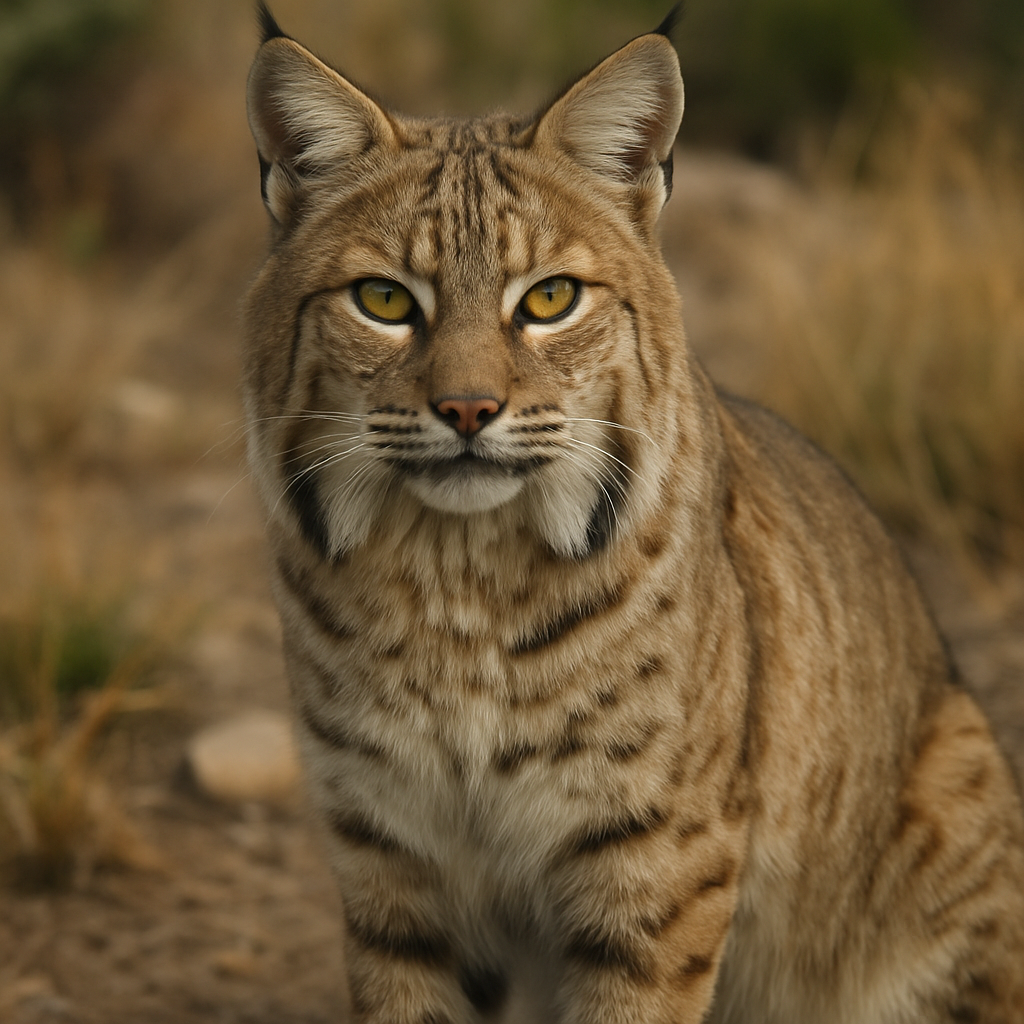
Are there bobcats in Boulder, Colorado? The answer is a confident yes. Bobcats (Lynx rufus) are part of the natural ecosystem that surrounds the city, thriving in the foothills, canyons, and open-space areas that stretch across Boulder County. These beautiful, elusive animals have adapted exceptionally well to the rugged terrain that defines Boulder’s western edge.
Colorado wildlife experts consistently note that bobcats are most abundant in habitats featuring rock formations, shrubland, brushy slopes, and quiet stretches of land — all of which are plentiful around Boulder. Local wildlife cameras, occasional neighborhood sightings, and decades of ecological observations confirm that bobcats are not rare visitors; they are long-term residents of the region.
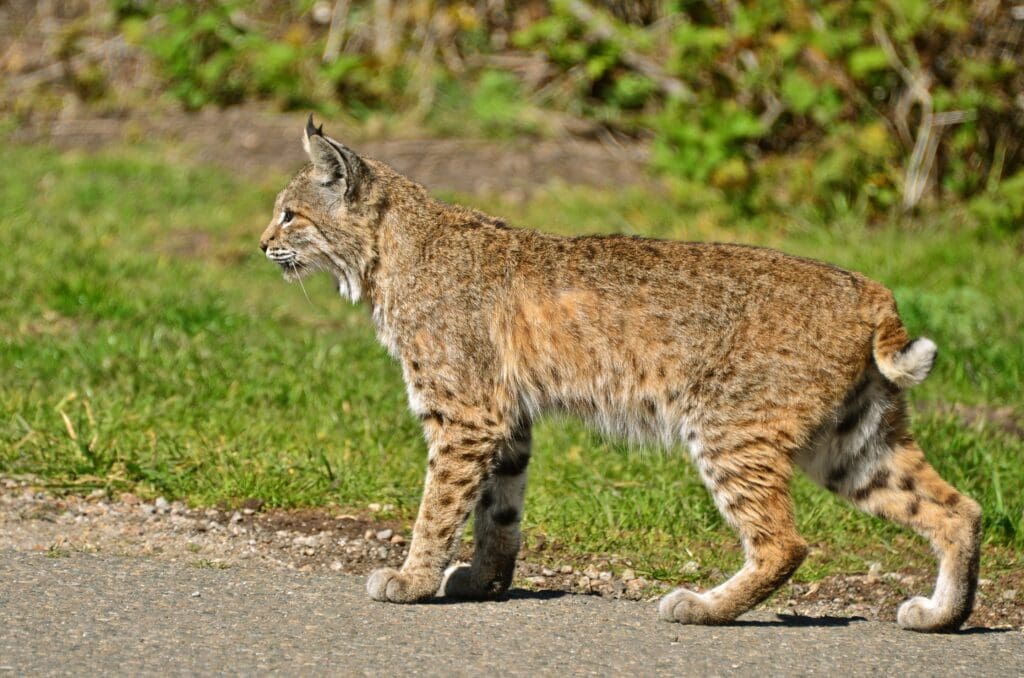
Where Bobcats Are Most Common in Boulder
Bobcats tend to move silently through areas with ample cover, making them difficult to see even where they are plentiful. Still, several places in Boulder offer higher chances of spotting one:
• Boulder Open Space and Mountain Parks
The city’s extensive open-space network provides ideal habitat: rolling foothills, thick vegetation, and rocky ledges create natural corridors for bobcats to hunt and travel quietly.
• Chautauqua and the Flatirons Foothills
These iconic landscapes offer a blend of rock shelves, pine pockets, and brushy cover that bobcats find irresistible. Early mornings and late evenings are the most active times.
• North Boulder & Nearby Riparian Areas
Wildlife cameras often capture bobcats moving through drainage corridors and undeveloped patches of land surrounding North Boulder.
• Boulder County’s Canyon Regions
Canyons such as Sunshine, Fourmile, and Lefthand feature remote terrain with minimal disturbance — perfect environments for bobcats raising young or hunting rabbits and small mammals.
Even in these hotspots, sightings remain rare. Bobcats excel at staying hidden, blending into rock shadows and disappearing into brush with near-effortless quiet. Many lifelong Boulder hikers have never seen one, even when the cats are only yards away.
Why Bobcats Thrive in Boulder
Bobcats are incredibly adaptable. They prefer mixed habitats that offer both shelter and vantage points, and Boulder provides exactly that combination. Their diet centers around rabbits, mice, voles, birds, and other small prey, all of which are abundant in the region.
Males typically roam larger territories, while females maintain smaller home ranges, especially during spring when they raise litters of two to four kittens. Boulder’s protected lands offer the security and resources needed for bobcats to breed and thrive year after year.
How to Respond If You See a Bobcat
Seeing a bobcat in Boulder is a privilege. If the opportunity arises:
- Enjoy from a distance. Bobcats avoid confrontation and prefer to slip away quietly.
- Watch pets carefully, especially during dawn and dusk when bobcats are most active.
- Respect their space by staying on marked trails and avoiding attempts to follow or photograph at close range.
Bobcats rarely pose any danger to people, and peaceful coexistence is the norm in Boulder.
Final Thoughts
Bobcats remain one of Boulder’s most captivating native species — a reminder that even near a lively, outdoor-loving city, true wilderness is never far away. From the rocky foothills to the quiet canyons, Boulder offers the perfect blend of habitat that allows these magnificent cats to flourish. For hikers, trail runners, and nature lovers, the possibility of a bobcat sighting only adds to the magic of exploring Boulder’s open spaces.