Boulder Breakthrough: Hydration Tips That Could Save Your Race
High and Dry: Why Hydration is the Secret Weapon for Runners in Boulder, Colorado
Welcome to Boulder—where the trails are stunning, the air is crisp, and the hydration struggle is real. Whether you’re here for the big race or training in the high country, there’s one element that can quietly derail your performance: dehydration.
Even seasoned athletes underestimate how quickly the dry, high-altitude air can zap your energy. But with a few smart moves, you can stay fluid, focused, and ready to run strong.
Why Boulder Dries You Out
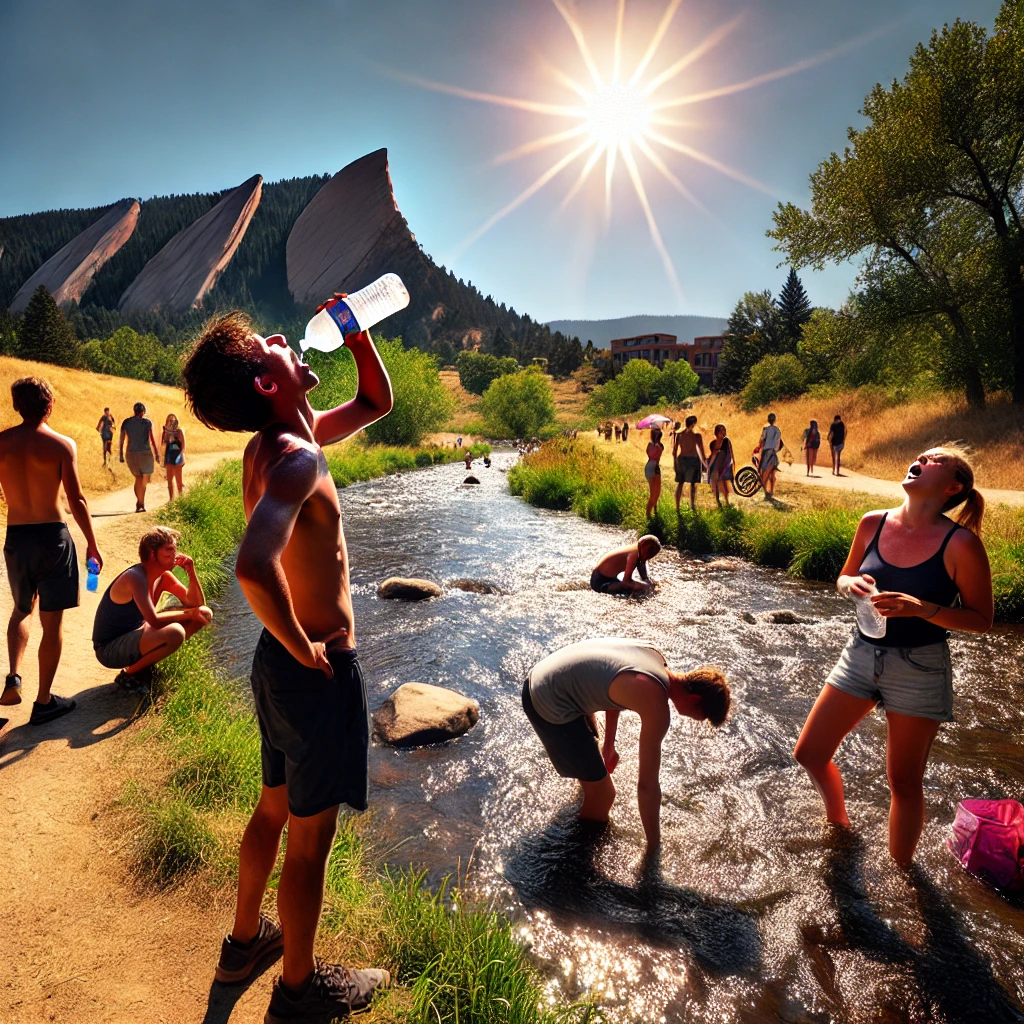
At over 5,300 feet, Boulder’s elevation already means lower oxygen levels—which causes your body to breathe faster, increasing water loss. Add in dry mountain air, a dose of sunshine, and a light breeze? Suddenly, you’re sweating more than you realize… even when it’s cool outside.
And here’s the catch:
Thirst isn’t a reliable signal here. By the time you feel thirsty, you’re already behind.
For an overview of how high altitude impacts hydration, this Wikipedia entry gives a solid background.
Warning Signs You Might Be Dehydrated (Even If You Don’t Feel It)
-
Headaches or dizziness
-
Dry mouth
-
Trouble sleeping
-
Sore or cramping muscles
-
Feeling unusually fatigued on short runs
Sound familiar? You’re not alone—many runners chalk this up to altitude, but hydration is often the missing link.
Your Boulder Hydration Game Plan
1. Start Early—Before You Arrive
Begin increasing your fluid intake 2–3 days before coming to altitude. Focus on water and electrolytes (sodium, magnesium, potassium).
2. Hydrate All Day, Not Just on Runs
Don’t wait until your run to drink. Keep a refillable water bottle with you throughout the day and sip consistently.
3. Electrolytes Are Essential
Water alone isn’t enough. Use powders, tablets, or electrolyte drinks to replace what you lose. Look for ones with low sugar but a strong mineral profile.
4. Monitor Your Urine
Yes—it’s simple and effective. Clear or pale yellow? You’re on track. Dark yellow or amber? Time to hydrate.
5. Watch Your Caffeine and Alcohol
Both are dehydrating. It’s okay to enjoy a coffee or celebratory drink—just balance it out with more fluids.
For further guidance, the City of Boulder’s water conservation page has insights on managing water use and hydration tips that benefit both you and the planet.
Race Week Hydration Routine
-
Morning: Start your day with 12–16 oz of water + electrolytes.
-
Pre-run: Sip water 1–2 hours before heading out.
-
During run: Take small sips every 15–20 minutes if possible.
-
Post-run: Replenish lost fluids with a recovery drink or electrolyte-enhanced water.
Pro Tip: Coconut water and broths are natural ways to sneak in electrolytes without synthetic ingredients.
Altitude Hydration Hacks Locals Swear By
-
Use humidifiers at night to fight dry indoor air.
-
Eat hydrating foods like cucumbers, watermelon, oranges, and spinach.
-
Don’t overdo fiber or protein right before your race—it can increase fluid demands.
-
Add a pinch of sea salt to your water if you’re sweating a lot and don’t have electrolyte supplements handy.
Final Thought:
You trained hard. You showed up. Now don’t let hydration be the missing piece. In Boulder, hydration is performance.Embrace it like your best training partner—and you’ll feel the difference with every step.
For more local runner insights and pre-race prep tips, visit AboutBoulder.com.