
Boulder Heat Wave: Dehydration Risk Rising Fast
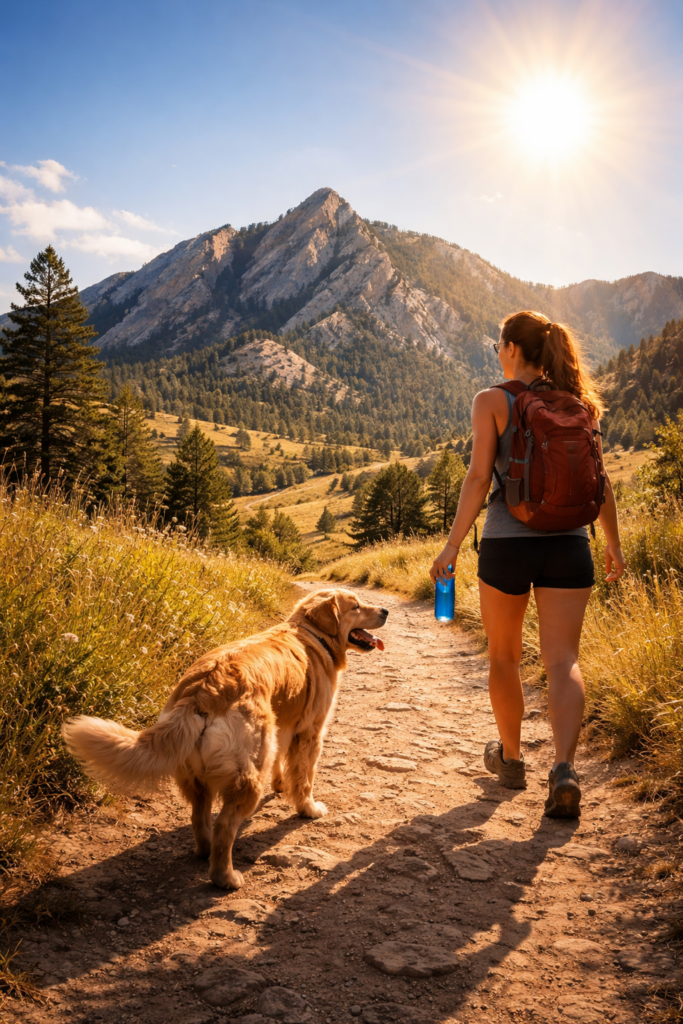
Boulder might not feel scorching at first glance, but right now, dehydration is hitting harder than people expect. A combination of warm temperatures, dry air, and high elevation is creating the perfect conditions for people to lose fluids quickly—often without realizing it.
This isn’t just about heat. In Boulder, it’s about altitude.
Why Dehydration Happens Faster in Boulder
At over 5,400 feet above sea level, Boulder changes how your body handles hydration. The air is thinner and significantly drier, which means moisture leaves your body faster with every breath. Add in strong sunshine and rising temperatures, and fluid loss accelerates quickly.
What makes it tricky is that you don’t always feel it happening. Sweat evaporates almost instantly in Boulder’s dry climate, so people don’t realize how much water they’re actually losing.
The Early Signs Most People Miss
Dehydration doesn’t always show up in obvious ways. In fact, many people mistake it for something else entirely.
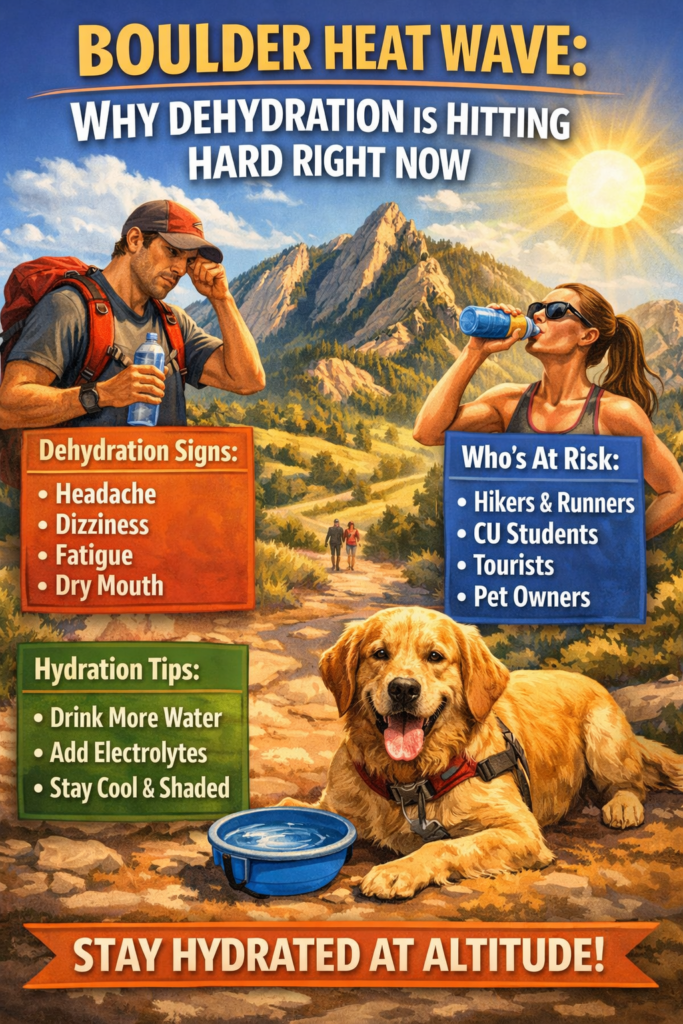
Common early signs include:
- Headaches that seem to come out of nowhere
- Low energy or unusual fatigue
- Lightheadedness or slight dizziness
- Dry lips and skin
It’s easy to brush these off as a long day or poor sleep, but in many cases, it’s your body asking for water.
Who’s Most at Risk Right Now
Certain groups are especially vulnerable during Boulder’s heat spikes:
- Hikers exploring trails like the Flatirons, Mount Sanitas, and Bear Peak
- Runners and cyclists training in the sun
- University of Colorado students walking across campus
- Visitors coming from lower elevations
- Dog owners spending extended time outdoors
If you’re not acclimated to Boulder’s elevation, dehydration can hit even faster.
Simple Ways to Stay Ahead of It
The key is staying proactive. By the time you feel thirsty, you’re already behind.
A few simple adjustments can make a big difference:
- Drink water consistently throughout the day, not all at once
- Start hydrating early in the morning
- Add electrolytes to help your body retain fluids
- Take breaks in shaded areas when outdoors
- Be mindful of caffeine and alcohol, which can speed up dehydration
A Boulder-Specific Reminder for Outdoor Activity
Even short outings in Boulder can lead to dehydration. A quick hike or walk in the sun can be more demanding than it feels.
Before heading out:
- Drink water in advance
- Bring more than you think you’ll need
- Plan routes with shade when possible
Boulder’s beauty invites people outside, but it also demands preparation.
Don’t Forget Your Dog
Dogs are even more vulnerable to dehydration than humans. They can overheat quickly, especially on warm days with little shade.
Make sure to:
- Bring water for your dog on walks and hikes
- Avoid hot pavement during peak heat
- Watch for signs like excessive panting or lethargy
Keeping them hydrated is just as important as taking care of yourself.
The Bottom Line
Boulder’s current heat isn’t just uncomfortable—it’s deceptively draining. The combination of altitude, dry air, and sun creates conditions where dehydration can sneak up fast.
Staying ahead of it doesn’t take much, but it does take awareness.
Right now, the smartest move you can make in Boulder is simple: drink more water than you think you need.