Boulder Real Estate: From $30,000 Homes to Million-Dollar Properties
Boulder, Colorado is known today for its incredible lifestyle, breathtaking scenery, and one of the most competitive housing markets in the United States. But Boulder wasn’t always an expensive place to live. Over the past several decades, the city has experienced one of the most dramatic real estate transformations in the country.
What was once a quiet college town with modest home prices has evolved into a highly sought-after mountain city where many homes now sell for well over one million dollars.
Real understanding how this transformation happened helps explain why Boulder real estate continues to attract buyers from across the country.

McInnes House at 1020 Mapleton Ave. Boulder, Colorado. Photo Credit: Peter Dulan.
Boulder’s Early Housing Market
During the 1950s and 1960s, Boulder remained a relatively small city centered around the University of Colorado. Housing was affordable and widely available. Modest homes, cottages, and ranch-style houses filled neighborhoods throughout the city.
Historic areas such as Mapleton Hill, University Hill, and neighborhoods surrounding downtown Boulder were developed long before Boulder became a nationally recognized destination.
Many homes during that time sold for well under $50,000. Boulder’s population was small, and the town had a relaxed, local character. Residents were primarily university faculty, students, local business owners, and families drawn to the mountain setting.
Few people could have imagined that Boulder would eventually become one of the most desirable housing markets in the country.
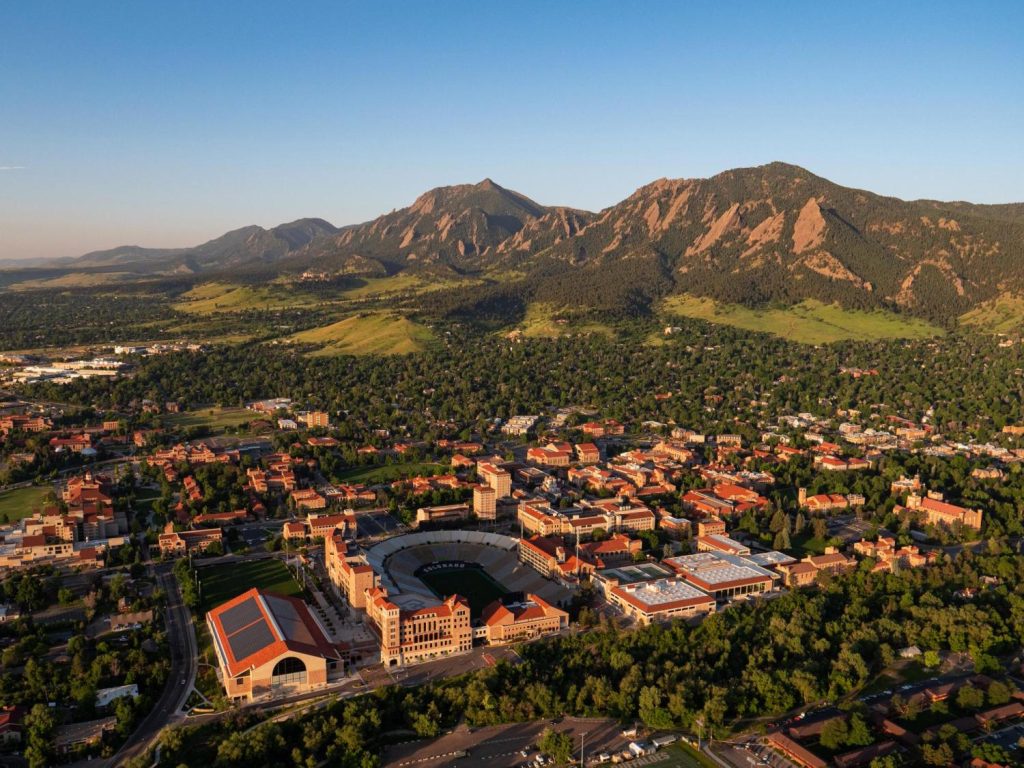
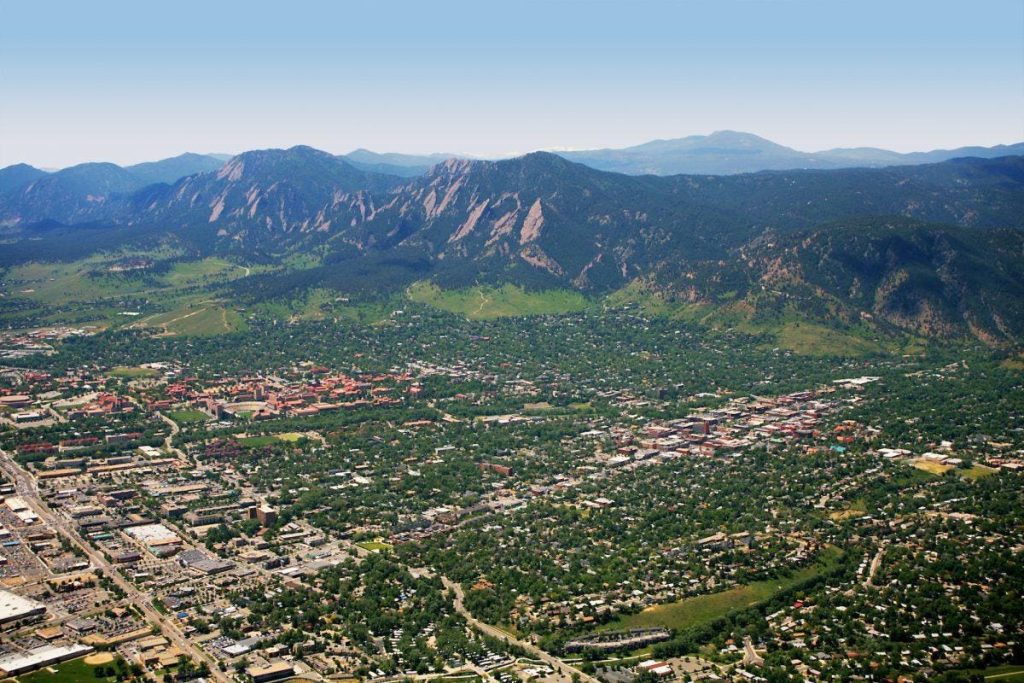
University of Colorado Boulder — Elevation 5,430 ft, with red rooftops framed by the Flatirons and Rocky Mountains in this stunning aerial view.
The Growth Era: Boulder Protects Its Open Space
One of the most important turning points in Boulder’s real estate history came in 1967 when voters approved a city sales tax dedicated to preserving open space.
This initiative allowed the city to purchase thousands of acres of land surrounding Boulder. Today, Boulder’s Open Space and Mountain Parks system protects more than 45,000 acres of land.
While these conservation efforts preserved Boulder’s natural beauty and outdoor lifestyle, they also limited how far the city could expand. Unlike many growing communities, Boulder could not simply build outward indefinitely.
As a result, the supply of housing remained relatively limited while demand steadily increased.
The Technology Boom and Rising Demand
Beginning in the 1980s and accelerating through the 1990s and early 2000s, Boulder began attracting technology companies, research institutions, and startups.
Major research organizations such as the National Center for Atmospheric Research (NCAR), the National Oceanic and Atmospheric Administration (NOAA), and several federal laboratories helped position Boulder as a hub for science and innovation.
Entrepreneurs and technology companies also began choosing Boulder for its quality of life and proximity to the University of Colorado’s research community.
At the same time, Boulder’s reputation for outdoor recreation grew nationally. With immediate access to hiking trails, climbing routes, cycling roads, and skiing in nearby mountain resorts, Boulder offered a lifestyle that few cities could match.
More people wanted to move to Boulder, but the limited housing supply meant prices continued to rise.
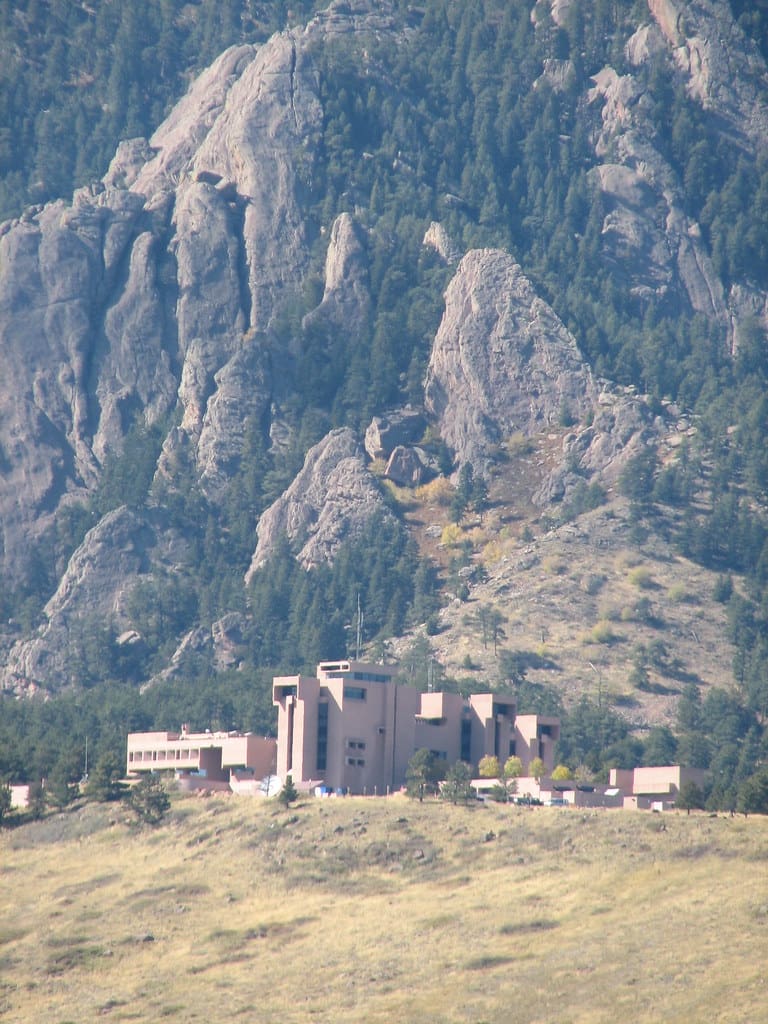
NCAR Building, Flatirons, Boulder CO
Boulder’s Housing Market Today
Today Boulder is widely considered one of the most desirable places to live in the United States. The city consistently ranks highly for quality of life, outdoor recreation, and entrepreneurial innovation.
As of recent market data, the median home price in Boulder is close to or above $1 million depending on the neighborhood and type of property.
Historic neighborhoods such as Mapleton Hill, Chautauqua, and areas near downtown Boulder feature some of the most valuable homes in Colorado. These neighborhoods are prized for their historic architecture, walkability, and proximity to the Flatirons and Pearl Street.
Even smaller homes and condominiums command premium prices due to Boulder’s strong demand and limited housing inventory.
The Future of Boulder Real Estate
Boulder’s real estate market continues to reflect the city’s unique balance of natural beauty, economic strength, and lifestyle appeal.
The combination of preserved open space, a thriving technology community, the University of Colorado, and a nationally recognized outdoor culture ensures that Boulder remains one of the most desirable small cities in America.
While home prices have risen dramatically over the decades, many residents believe the same qualities that attracted people to Boulder decades ago still define the city today.
For those lucky enough to call Boulder home, the real estate story is about more than property values. It’s about living in a place where mountains, innovation, and community come together to create one of the most remarkable towns in the country.