
Boulder Smoke Season 2026: How to Stay Safe from Wildfire Haze and Protect Your Pets

Summer in Boulder usually brings crystal-clear mountain views and endless days outside. This week, however, many residents are waking up to hazy skies as smoke from several large wildfires in western Colorado and Utah drifts across the Front Range.
Large fires, including the Snyder, Babylon, Ferris, and Gold Mountain fires, have burned well over 160,000 acres combined, sending smoke across much of Colorado. Depending on wind patterns, air quality can change dramatically throughout the day, making it important to check conditions before heading outside.
The Colorado Department of Public Health and Environment (CDPHE) has also issued air quality advisories as wildfire smoke combines with elevated ozone levels along the Front Range.
Wildfire smoke season has become an unfortunate part of Colorado summers. Fortunately, there are simple ways to protect yourself, your family, and your pets.
Why Wildfire Smoke Is Dangerous
Wildfire smoke contains microscopic particles known as PM2.5. These tiny particles can travel deep into the lungs and even enter the bloodstream.
Even healthy adults may experience:
- Eye irritation
- Scratchy throat
- Coughing
- Headaches
- Fatigue
- Shortness of breath
People most at risk include:
- Children
- Older adults
- Pregnant women
- People with asthma
- Anyone with heart or lung disease
Because Boulder sits against the Flatirons, weather patterns can trap smoke along the Front Range, causing air quality to fluctuate throughout the day.
Check the Air Before You Go Outside
Before heading out for a hike, bike ride, run, or outdoor concert, check current air quality.
The best resources include:
- AirNow.gov for the official Air Quality Index (AQI)
- PurpleAir for neighborhood-level air quality sensors
- Colorado Department of Public Health and Environment smoke forecasts
A quick AQI guide:
- 0–50: Good
- 51–100: Moderate
- 101–150: Unhealthy for sensitive groups
- 151 and above: Everyone should limit outdoor activity
Smoke conditions often improve—or worsen—in just a few hours.
How to Protect Yourself During Smoke Season
When smoke levels rise:
- Limit strenuous outdoor exercise.
- Move workouts indoors whenever possible.
- Keep windows and doors closed.
- Run your air conditioner on recirculate.
- Use a HEPA air purifier if available.
- Replace HVAC filters regularly (MERV-13 or higher is recommended).
Reduce additional indoor pollution by avoiding:
- Burning candles
- Wood-burning fireplaces
- Frying foods
- Vacuuming without a HEPA filter
If you must spend extended time outdoors, wear a properly fitted NIOSH-approved N95 respirator. Cloth masks and surgical masks do not effectively filter PM2.5 particles.
Don’t Forget Your Pets
Wildfire smoke affects pets just as it affects people.
Dogs, cats, birds, rabbits, and other animals breathe the same air we do. Flat-faced breeds such as Bulldogs, Pugs, and Persian cats, along with senior pets and animals with heart or lung conditions, are especially vulnerable.
Watch for signs including:
- Coughing
- Wheezing
- Rapid breathing
- Red or watery eyes
- Lethargy
- Reduced appetite
- Unusual fatigue
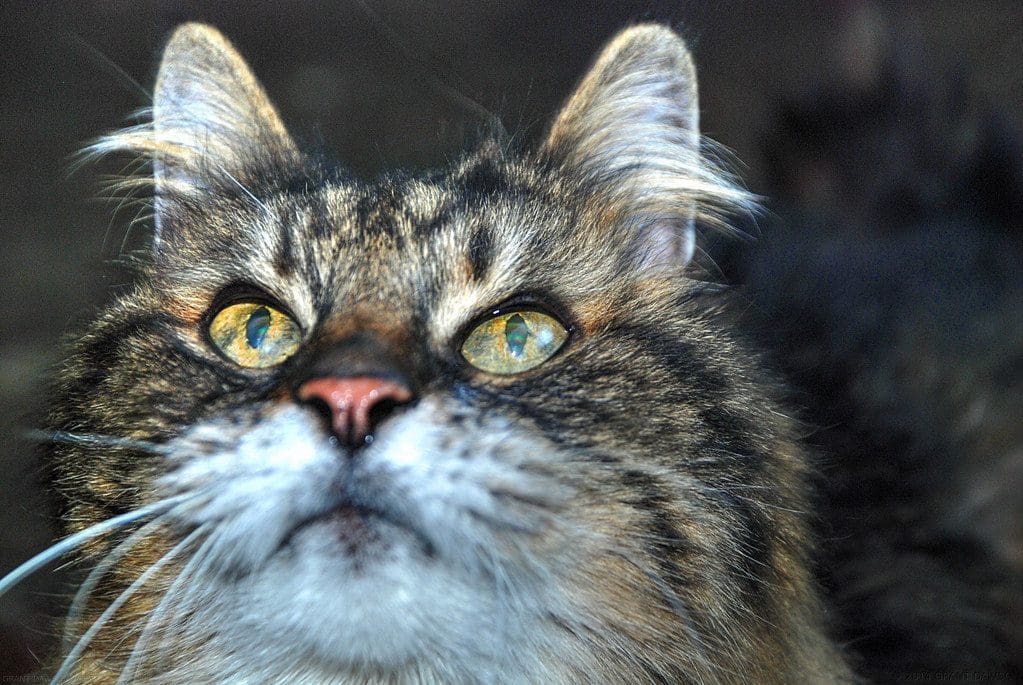
How to Protect Your Pets
During smoky conditions:
- Keep walks short.
- Skip long hikes and strenuous play.
- Bring pets indoors whenever possible.
- Use HEPA filtration inside your home.
- Wipe paws, fur, face, and belly after outdoor trips to remove ash and smoke particles.
- Keep birds and other small animals indoors with clean, filtered air.
If your pet develops persistent coughing, breathing problems, or unusual fatigue, contact your veterinarian promptly.
Prepare Before Smoke Season Peaks
Colorado’s wildfire season often continues into early fall.
Prepare now by keeping these essentials on hand:
- N95 masks
- Replacement HVAC filters
- Portable HEPA air purifier
- Extra pet food and medications
- An emergency go-bag for your family and pets
If evacuation ever becomes necessary, make sure your pets are microchipped and that vaccination records are easy to access.
A New Reality for Boulder Summers
Wildfire smoke has become another part of life in Colorado, but it doesn’t have to keep you from enjoying everything Boulder has to offer.
By monitoring air quality, creating cleaner indoor air, reducing exposure during smoky periods, and protecting your pets, you can greatly reduce the health risks associated with wildfire smoke.
Take a minute each morning to check the forecast before heading outside. Your lungs—and your four-legged family members—will thank you.