
Boulder Winter Hiking: Three Top Trails That Still Deliver When It’s Cold
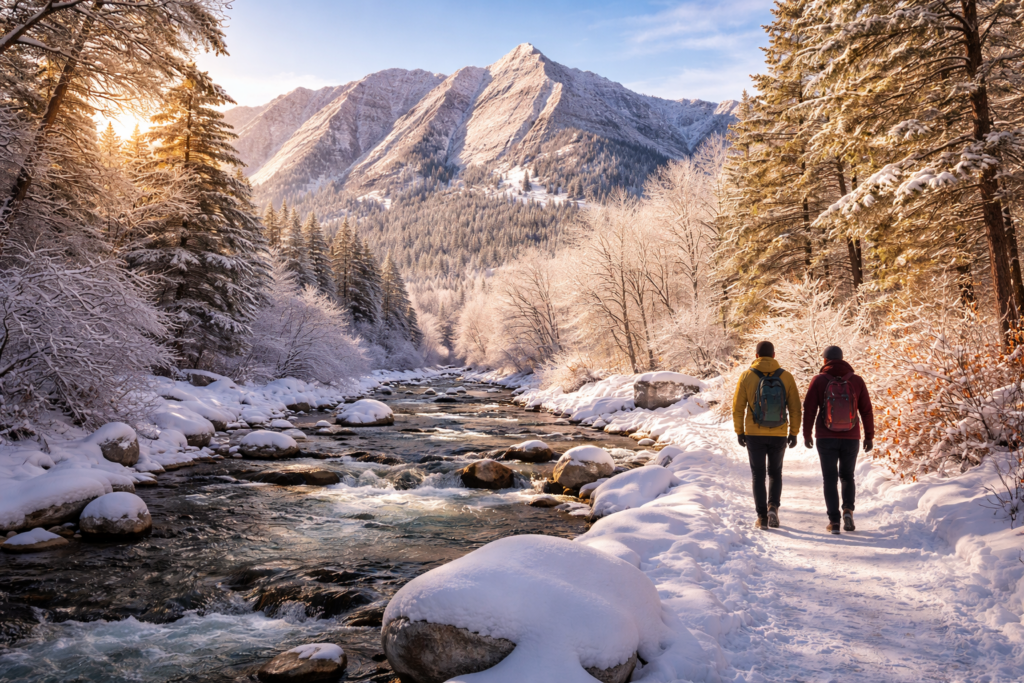
Winter in Boulder has a way of sharpening everything—the air, the light, the silence between footsteps. The Flatirons look closer. The foothills feel wilder. And if you pick the right trail, you can get a legit “Boulder moment” in under two hours and still make it home warm, happy, and hungry.
Before you step out the door, make one quick habit non-negotiable: check current trail and access updates, because winter can turn a normal parking plan into a total pivot overnight. I always start here: OSMP closures and advisories. Then I decide which of these three classics fits the day.
1) Mount Sanitas: The Fast, Steep, “Earn-It” Boulder Classic
If you want that “I did something today” feeling without driving anywhere, Mount Sanitas is the move. It’s close, it’s steep, and it climbs quickly into big views over town. In winter, Sanitas is especially fun because it gets packed down by traffic—sometimes that means a firm, grippy path, and sometimes it means slick sections that turn into a microspike kind of day.
Why it works in winter:
- Short and efficient: You can get a real workout in a tight window.
- Great payoff: Views come fast, and on clear winter days you can see forever.
- Flexible options: If conditions are icy up high, you can shorten the outing and still feel satisfied.
Winter tip: treat this trail like a stair-climb that occasionally turns into an ice rink. If you’re debating traction, just bring it. The number of times I’ve been glad I had microspikes in my pack is… basically every winter.
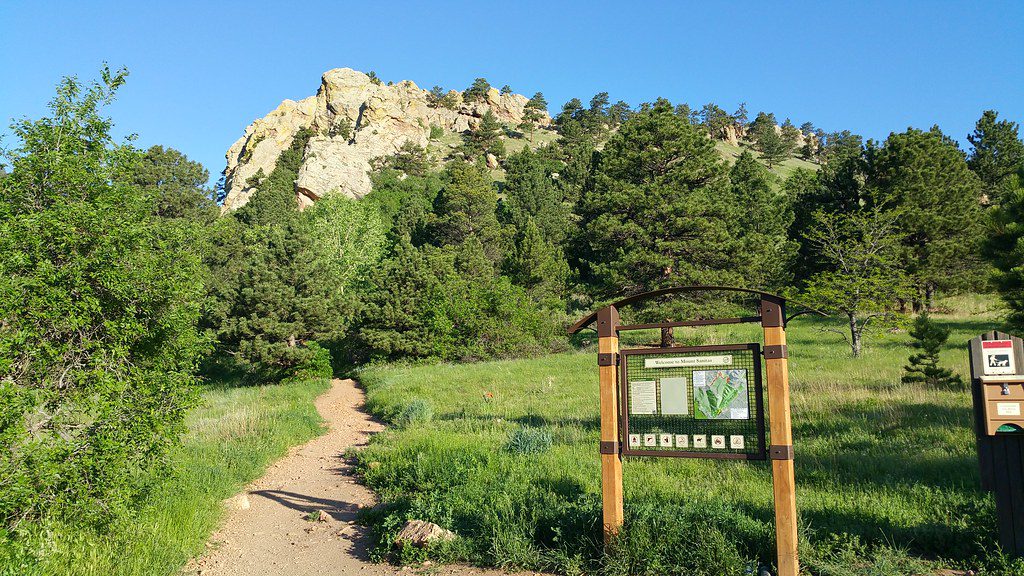
Mount Sanitas Trailhead
2) Chautauqua to Royal Arch: Flatirons Drama, Big Energy, Classic Finish
This is the Boulder hike people picture when they imagine Boulder hiking. You start in that iconic meadow zone with the Flatirons towering above you, then work your way into tighter turns, rock steps, and that final push to a natural stone arch that feels like a finish line.
Why it works in winter:
- Incredible scenery: Snow-dusted rock, sharp shadows, glowing morning light—this trail photographs itself.
- A real hike without being remote: You’re never far from town, but it still feels like an adventure.
- Motivation built in: The arch is a perfect destination point when it’s cold and you want a “there” to aim for.
Winter tip: the Royal Arch route has sections that hold snow and ice, especially in the shaded spots and on stepped rock. Go slower than you think you need to. Winter hiking is not the season for rushing—your whole goal is steady, controlled movement.
If you want the “classic Boulder” version of this day, start earlier than you normally would. Winter daylight is short, and the best light happens fast.
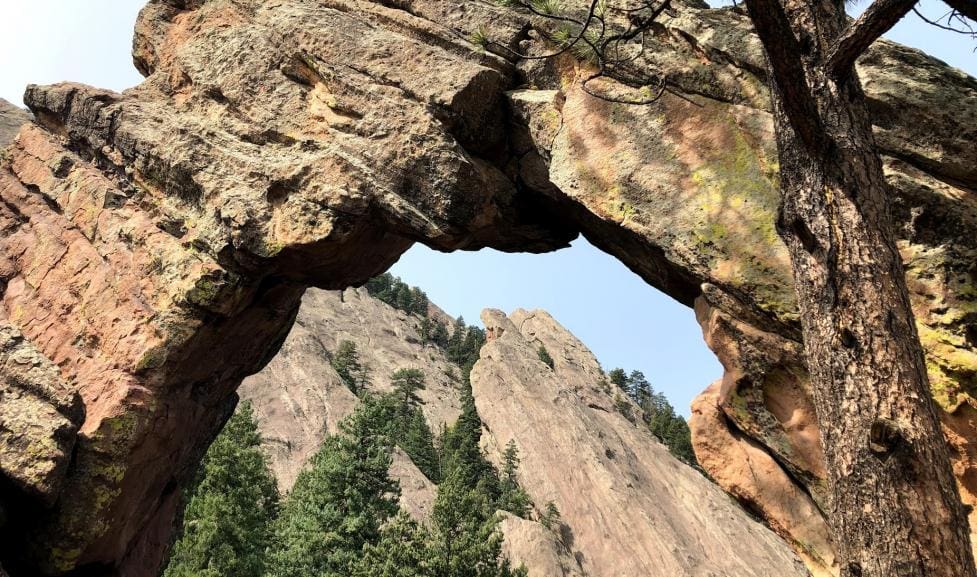
The Royal Arch
3) South Boulder Peak (via Mesa + Shadow Canyon): The Quietest Summit With the Biggest “Wow”
If Sanitas is the quick hitter and Royal Arch is the iconic classic, South Boulder Peak is the deeper winter challenge—with a serious summit reward. It’s Boulder’s highest summit at 8,549 feet, and it tends to feel less crowded than the other headline trails. You’ll move through changing landscapes—open stretches, forest, and steeper climbing—until you top out on a rocky summit that makes the whole foothills system feel huge.
Why it works in winter (when you pick your day):
- A true summit goal: It feels like a mountain day without needing to leave Boulder.
- Big variety: You get multiple micro-environments, which keeps it interesting even in cold air.
- Epic payoff: On a clear winter day, the views can feel unreal.
Winter tip: only do this one when conditions make sense. Wind, fresh snow, or hard ice on steep sections can turn “tough but fun” into “why did I do this.” Check the advisory page first, watch the forecast, and be honest about your footing.
If you want a smart winter approach, set a simple turnaround time before you start. Winter isn’t the season for chasing the summit at all costs—it’s the season for returning proud and intact.
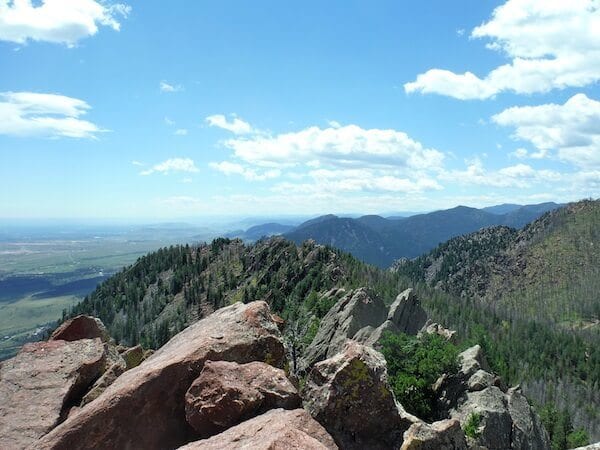
South Boulder Peak summit views
Winter Trail Smarts That Make Everything Better
Boulder winter hikes aren’t complicated, but they reward basic discipline:
Bring traction and use it early. If you wait until you’re slipping, you waited too long.
Dress like you’ll stop. You’ll be warm on the climb, then cool fast when you pause. Layers win.
Hydrate anyway. Cold air dries you out and you don’t notice until later.
Start earlier than you think. Winter daylight disappears fast, especially if you linger at viewpoints.
For a solid cold-weather checklist that’s actually written for hikers, this is one of the best quick reads: cold weather hiking tips.
And if you want a simple way to keep your Boulder hiking momentum going all season—new routes, local ideas, and the kind of inspiration that gets you out the door on days you’d normally skip—here’s a good place to start: more local trail inspiration.
How to Pick the Right One Today
- Want the quickest, hardest hit? Mount Sanitas.
- Want the Boulder postcard trail? Chautauqua to Royal Arch.
- Want the biggest, quietest summit day? South Boulder Peak—on a good-weather, good-traction day.
That’s the winter formula: match the trail to the conditions, move with patience, and let Boulder do what it always does—turn an ordinary day into something you’ll remember.