
Boulder’s Best Creeks for Cooling Down
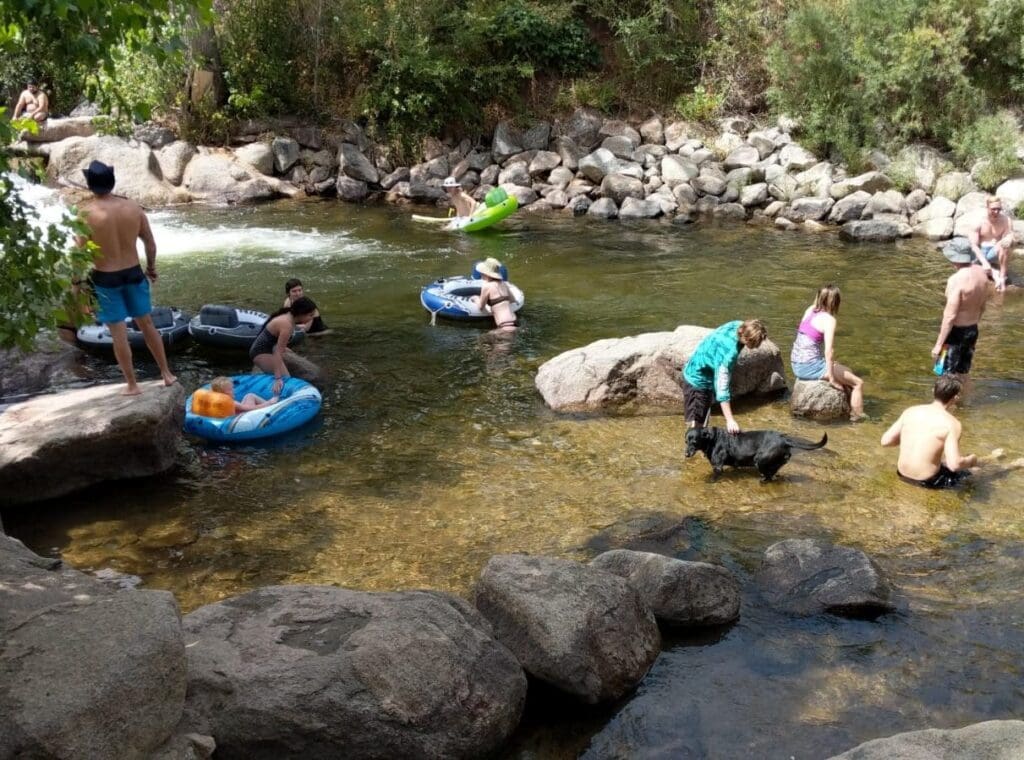
When summer heat settles over Boulder and temperatures climb into the 90s, locals have something many cities can only dream about: cold mountain water flowing right through town.
Boulder Creek is the star of the show, winding out of Boulder Canyon and through the heart of the city beneath towering cottonwoods. But it isn’t the only place where Boulder residents and visitors can find a refreshing creekside escape.
From the easy water access at Eben G. Fine Park to miles of Boulder Creek Path and the quieter surroundings of South Boulder Creek, these natural waterways offer some of the best relief from a scorching Colorado afternoon.
The key is knowing where to go—and remembering that Boulder’s creeks are natural waterways, not swimming pools. Currents, water levels and water quality can change quickly.
Here are some of Boulder’s best options for beating the heat safely.
Eben G. Fine Park: Boulder’s Classic Creek Escape
When it comes to combining convenience, shade and Boulder Creek access, Eben G. Fine Park is tough to beat.
Located at the western edge of downtown near the mouth of Boulder Canyon, the park sits directly alongside Boulder Creek and offers water access, picnic areas, restrooms and immediate access to the Boulder Creek Path.
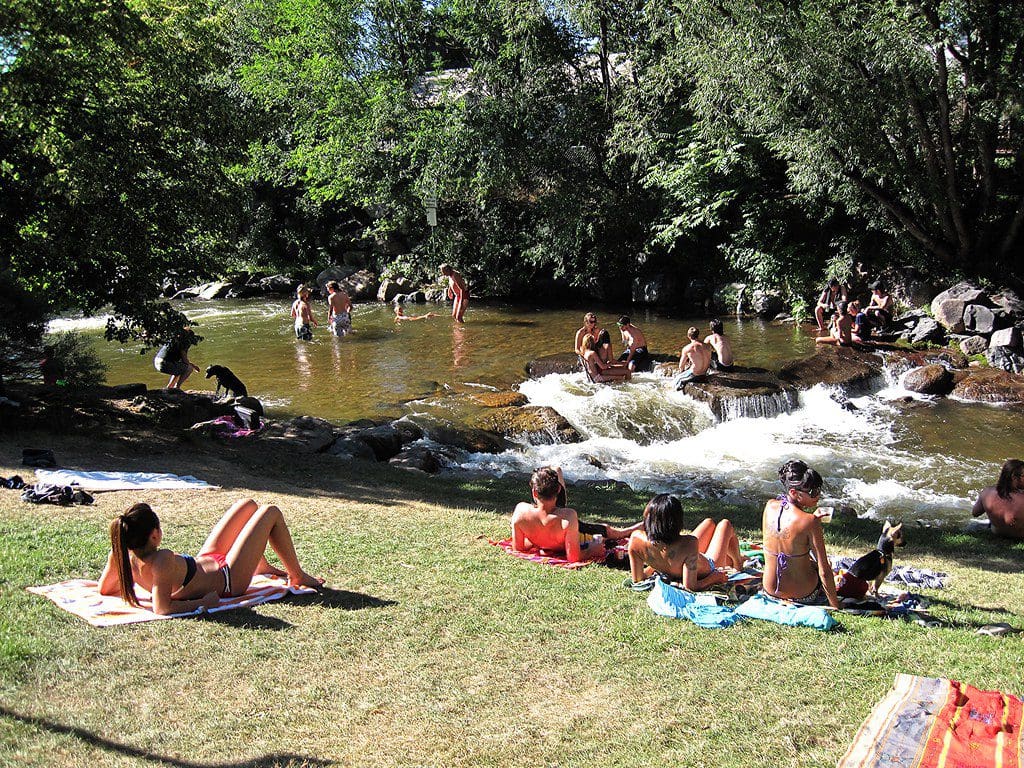
Boulder Creek
On a hot afternoon, simply putting your feet into the cold creek can provide instant relief. The surrounding cottonwoods provide welcome shade, while the grassy park offers plenty of room to relax between visits to the water.
The setting captures classic Boulder summer energy: foothills rising immediately to the west, cyclists and runners passing along the path, families relaxing beneath the trees and cold mountain water flowing through the middle of it all.
Even when the creek appears calm, however, currents can be deceptive and submerged rocks can be extremely slippery. Lower water does not automatically mean safe water.
Boulder Creek Path: Boulder’s Natural Cooling Corridor
You don’t need to spend an entire afternoon at one park to enjoy Boulder Creek.
The Boulder Creek Path follows the water for miles through Boulder, creating numerous opportunities to walk beside the creek, find a shady place to rest and escape the hottest part of the day.
Think of it as Boulder’s natural summertime cooling corridor.

Walking beside moving water beneath mature trees can feel dramatically different from hiking an exposed foothills trail during the afternoon heat. A simple outing can include a short walk, a creekside picnic and a stop to cool your feet before continuing.
It’s one of the easiest ways to enjoy Boulder outdoors without committing to a strenuous hike when temperatures soar.
South Boulder Creek: A Quieter Creekside Escape
For those looking for something less urban, South Boulder Creek provides a beautiful alternative.
The South Boulder Creek Trail follows portions of the stream corridor and combines creekside scenery with expansive views toward the Flatirons and surrounding foothills. The area near Bobolink Trailhead provides convenient access to the northern portion of the trail.
This area is best considered a creekside escape rather than a designated swimming destination.
Come for the combination of water, trees, wildlife and an easy outdoor experience. Even though you’re still close to Boulder, portions of the corridor can feel surprisingly removed from the city.
During extreme heat, avoid exposed stretches during the hottest hours and take advantage of shaded areas whenever possible.
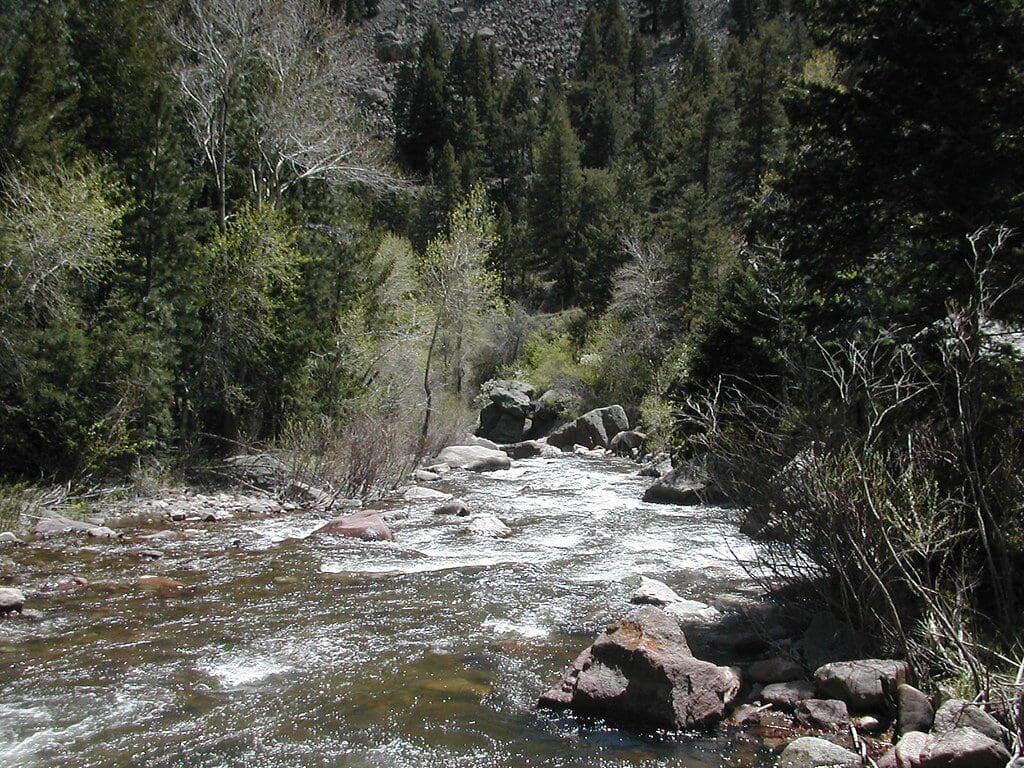
South Boulder Creek
Know Before You Go: Boulder Creek and E. Coli
Before getting into Boulder Creek, there is one important issue everyone should understand.
The City of Boulder classifies Boulder Creek as impaired for E. coli. Bacteria concentrations periodically exceed recreational water-quality standards, and levels can vary considerably depending on location, weather and recent rainfall.
The city reports that E. coli concentrations generally increase as Boulder Creek travels downstream and are typically highest during late summer and fall.
Avoid getting creek water in your mouth, eyes or open wounds. Wash your hands and shower after water contact, and avoid swimming within 48 hours after rainfall or whenever the water appears cloudy or discolored.
Creek Safety Matters
Cold mountain creeks demand respect.
Currents can be stronger than they appear, rocks become extremely slippery, and underwater obstacles aren’t always visible from shore. Children should always be closely supervised around moving water.
Water shoes can improve traction and protect feet from sharp rocks. Never jump into water unless you know its depth and conditions, and don’t assume a familiar section of creek is exactly the same as it was on your last visit.
Colorado’s summer thunderstorms can also change creek conditions quickly.
Pack out everything you bring, keep dogs under control, respect wildlife habitat and never cross onto private property simply to reach the water.

A woman on an inner tube, tubing Boulder Creek through Eben Fine Park in Boulder, Colorado
One of Boulder’s Best Summer Traditions
There are plenty of ways to escape a hot Boulder afternoon, but sitting beneath a cottonwood with your feet in cold mountain water is difficult to beat.
Start at Eben G. Fine Park for convenient creek access, explore the Boulder Creek Path for a shaded waterside walk, or head toward South Boulder Creek for a quieter change of scenery.
Bring plenty of drinking water, sunscreen and water shoes. Check current conditions before heading out, and always respect the power of moving water.
When Boulder heats up, some of the best relief is already flowing right through town.