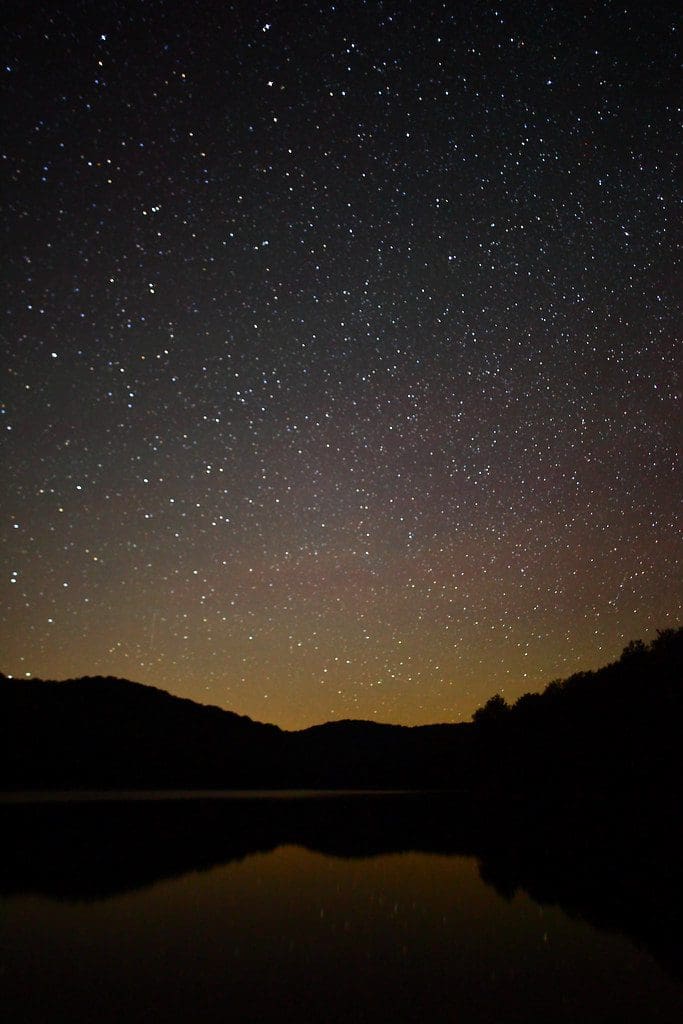
Three Nights in Nature May Improve Creative Thinking
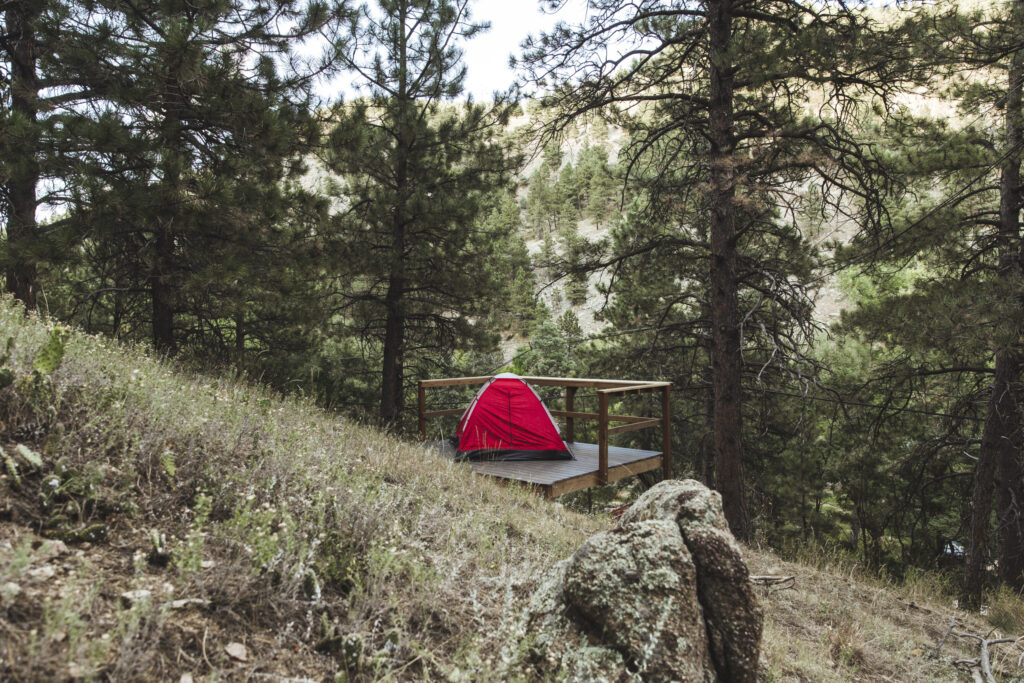
Boulder has always understood something science is only beginning to explain.
Whether it’s camping beneath the stars in the Indian Peaks Wilderness, waking up to the sounds of Rocky Mountain National Park, or spending a long weekend in Colorado’s backcountry, many people return home feeling calmer, clearer, and surprisingly refreshed.
Now, research suggests there’s a reason.
A landmark study by researchers from the University of Kansas and the University of Utah found that people who spent several days immersed in nature without phones, computers, or other electronic devices performed about 50 percent better on a standardized creative problem-solving test than those who had not yet begun their wilderness experience. The participants were tested on the morning of the fourth day after spending three full days immersed in nature.
That finding has become one of the most talked-about discoveries in outdoor wellness research.

Why Three Days Matters
A quick afternoon hike is wonderful, but it may not be enough for your brain to fully unwind.
Most people spend the first day of a camping trip mentally carrying work deadlines, emails, notifications, and everyday responsibilities with them.
The second day often feels different.
Your schedule slows down.
Your breathing becomes more relaxed.
You begin paying attention to birds instead of buzzing phones, sunsets instead of screens.
By the third day, many campers describe feeling completely present.
Researchers believe this extended immersion allows the brain’s attention systems to recover from the constant demands of modern life. The published study focused specifically on improvements in creative thinking and suggests that both spending time in nature and stepping away from technology likely contribute to the effect.
Nature Gives Your Brain a Chance to Recharge
Modern life rarely gives our minds a break.
Notifications compete for our attention.
Emails arrive around the clock.
Social media encourages constant scrolling.
Even when we’re relaxing, we’re often consuming information.
Nature is different.
Instead of demanding attention, natural environments gently capture it. Flowing water, rustling aspens, mountain vistas, and birdsong engage the mind without overwhelming it.
Psychologists call this Attention Restoration Theory—the idea that natural environments help replenish the brain’s ability to focus after it has been depleted by constant mental demands. The 2012 wilderness study built on this theory by showing that several days immersed in nature were associated with substantially better performance on a creative reasoning task.
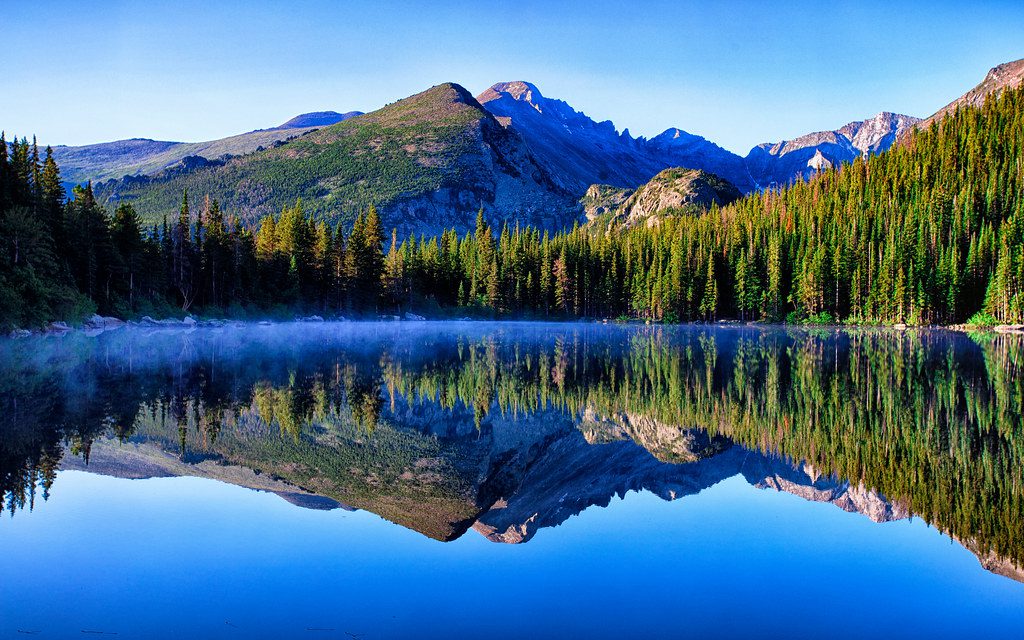
Misty Morning Bear Lake Reflection
Boulder May Be One of the Best Places in America to Experience It
Few cities offer easier access to world-class wilderness than Boulder.
Within an hour, residents can be exploring alpine lakes, hiking through quiet pine forests, camping beside mountain streams, or watching the Milky Way from high-elevation campsites.
Places like the Indian Peaks Wilderness, Golden Gate Canyon State Park, Brainard Lake Recreation Area, Roosevelt National Forest, and Rocky Mountain National Park provide countless opportunities to disconnect from daily stress and reconnect with the outdoors.
You don’t need a two-week vacation.
A long weekend may be enough to notice a difference.
It’s Not Just About Camping
One of the most important details in the research is often overlooked.
Participants weren’t simply spending time outdoors.
They were also disconnected from electronic devices throughout their backpacking trips.
Because of that, researchers say they cannot determine exactly how much of the benefit came from nature itself, how much came from stepping away from technology, or how much resulted from the combination of both.
Either way, the message is encouraging.
Our brains appear to benefit when we step away from constant stimulation and spend meaningful time outdoors.
The Best Medicine Might Not Come in a Bottle
When life feels overwhelming, our first instinct is often to search for another productivity app, another self-help book, or another way to squeeze more into our schedules.
Sometimes the better answer is much simpler.
Pack a tent.
Leave your phone in your backpack.
Watch a sunrise instead of a screen.
Spend three nights surrounded by trees, mountains, and fresh air.
Your body will appreciate the movement.
Your mind may thank you even more.
For Boulder residents, one of the world’s best natural stress relievers is already waiting just outside the city limits. The next great idea—or simply a greater sense of calm—might begin with a long weekend under Colorado’s stars.