
Boulder’s Blue Gem: Spotting the Stunning Lazuli Bunting
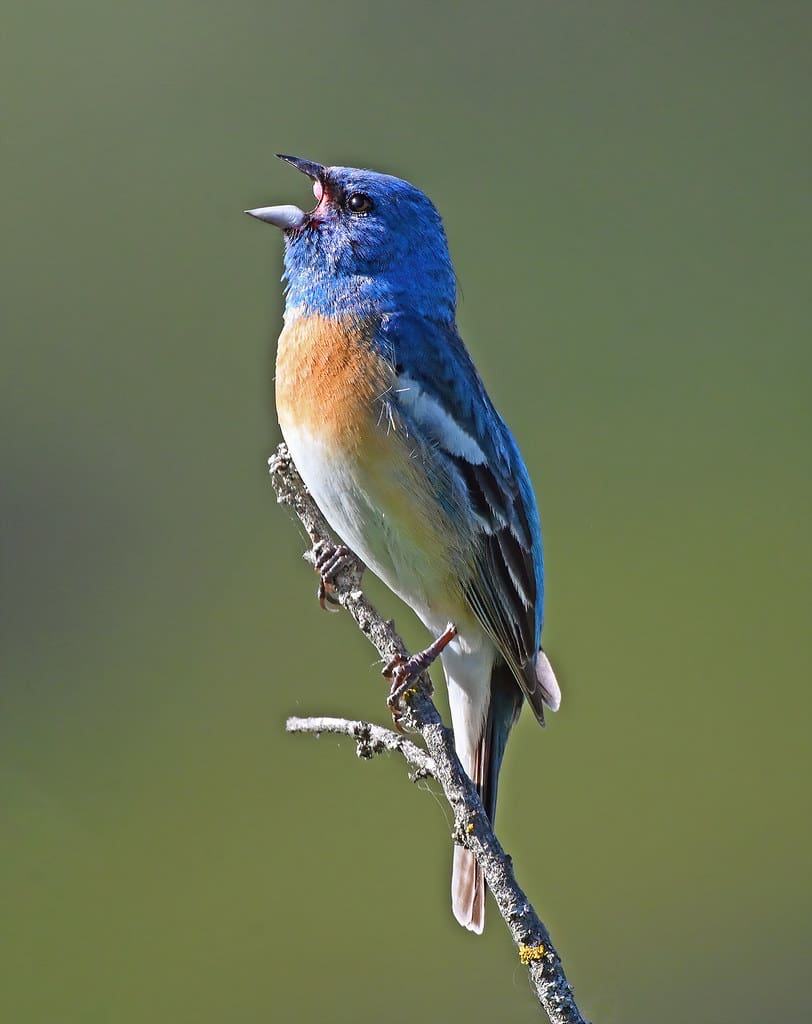
Lazuli bunting
Today’s outdoor picture of the day captures a truly magical moment in Boulder, Colorado: a Lazuli Bunting perched delicately on a branch, its sky-blue feathers glowing in the sunlight. These striking songbirds are a seasonal treat in Colorado, bringing a splash of color and melody to our hiking trails, parks, and open spaces.
Lazuli Buntings are most commonly seen in Colorado during spring and summer, especially from late April through August. They’re migratory birds, spending winters in Mexico and making their way north each year to breed in the western United States. Boulder, nestled at the foot of the Rockies, provides a perfect stopover and nesting area thanks to its diverse mix of shrublands, riparian corridors, and open woodlands.
Where to Spot Them in Boulder:
If you’re eager to catch a glimpse of one of these feathered gems, head out early in the morning to:
-
South Mesa Trailhead – Known for its wildflowers and mixed habitats.
-
Sawhill and Walden Ponds – A birding hotspot with water, willows, and cottonwoods.
-
Boulder Creek Path – Especially near less-trafficked riparian sections.
-
Chautauqua Meadow – On the outskirts of the Flatirons.
They often perch on high shrubs or fence posts, singing a cheerful, warbling song that’s both melodic and unmistakable once you know it.
What Makes the Lazuli Bunting Unique?
Male Lazuli Buntings are unmistakable: brilliant turquoise-blue on the head and back, with a warm orange breast and white belly. Females are more subdued with soft brown tones, but equally elegant. Their beauty alone would make them remarkable, but it’s their song—an intricate series of trills and whistles—that adds another layer of wonder.
Interestingly, the Lazuli Bunting is named after the gemstone lapis lazuli, due to its shimmering blue color. They are part of the cardinal family and often get mistaken for the Indigo Bunting, but the orange breast is a telltale sign you’ve spotted a Lazuli.
They also have a sweet habit of interbreeding with Indigo Buntings where their ranges overlap, creating hybrids with equally dazzling features—a rare sight for birders to cherish.
Final Thought:
Spotting a Lazuli Bunting in Boulder is like catching a glimpse of living art in motion. Whether you’re an experienced birder or a curious hiker, this brilliant little bird is sure to make your outdoor adventure unforgettable. So grab your binoculars, head to your favorite Boulder trail, and keep your eyes peeled for this blue burst of joy.