
Boulder’s Most Famous Homes: Historic Icons and Hidden Legends
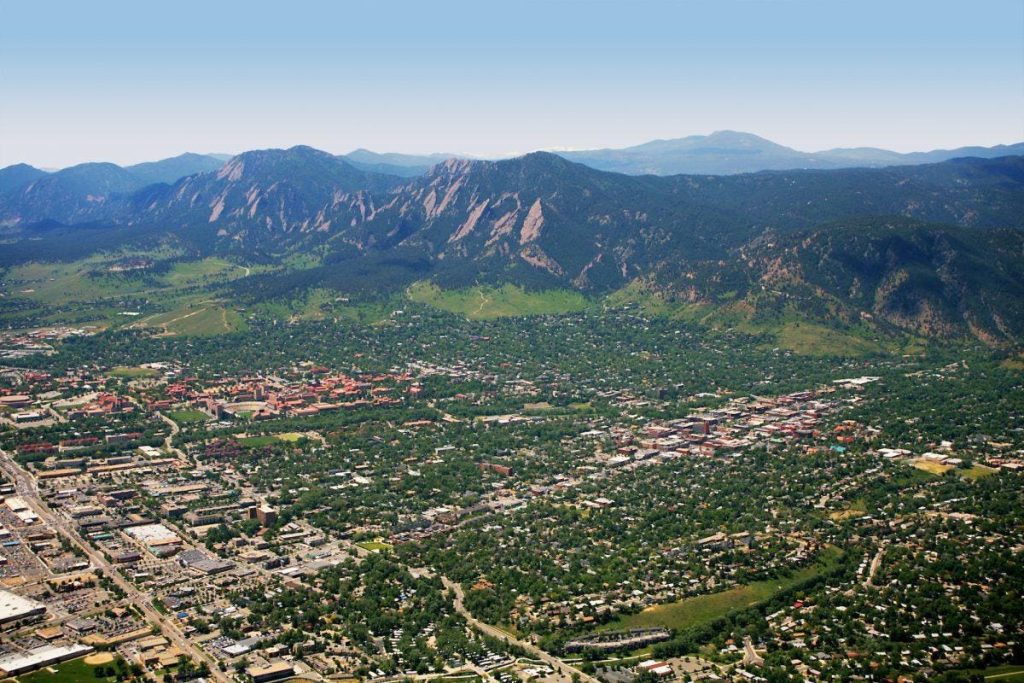
A Walk Through Boulder’s Most Storied Residences
Set against the backdrop of the Flatirons where the Great Plains meet the Rocky Mountains, Boulder, Colorado is known for its outdoor lifestyle and vibrant culture. Beyond the trails and cafés, the city’s homes tell a powerful story of its past—one shaped by pioneers, visionaries, and creative minds.
From Boulder’s oldest surviving house to pop culture landmarks and bold modern designs, these homes remain some of the most fascinating in Colorado.
The Squires–Tourtellot House: Boulder’s Oldest Home
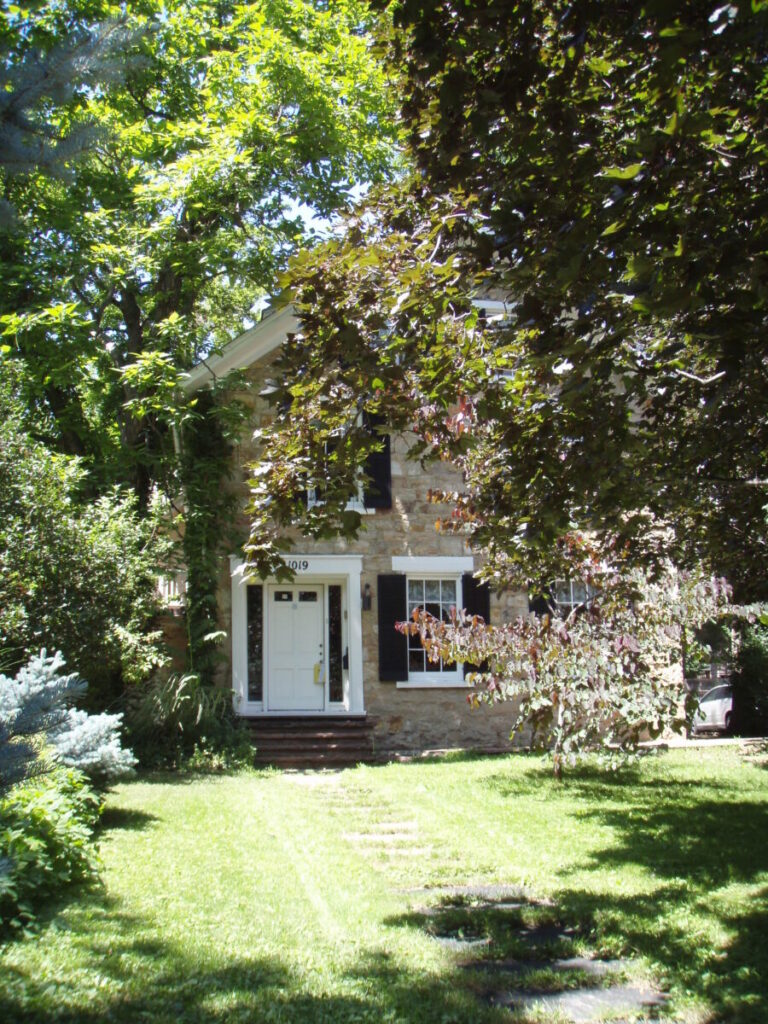
Located at 1019 Spruce Street in Mapleton Hill, the Squires–Tourtellot House is widely recognized as Boulder’s oldest surviving residence.
Built in 1865 using local fieldstone, this two-and-a-half-story home features:
- Thick stone walls up to 20 inches
- Classic six-over-six windows
- A steep gable roof with dual chimneys
Constructed by Frederick A. Squires and Jonathan A. Tourtellot, the home reflects early pioneer life and New England farmhouse design—something rarely seen in Colorado.
Key Fact:
The home was added to the National Register of Historic Places in 1978 and still retains much of its original exterior.
The Spruce Street Mansion: Boulder’s Oldest Brick Residence
Just steps away at 1123 Spruce Street stands Boulder’s oldest remaining brick home, known as the Spruce Street Mansion.
Originally built in the 1870s by Jennie Arnett Soule and her husband Albert G. Soule, this three-story structure represents Boulder’s early transition from frontier settlement to established town.
What Makes It Special:
- One of Boulder’s earliest brick constructions
- Tied to influential pioneer families
- Preserved as a community and nonprofit space
In 2017, the Community Foundation Serving Boulder County acquired the property, ensuring its long-term preservation.
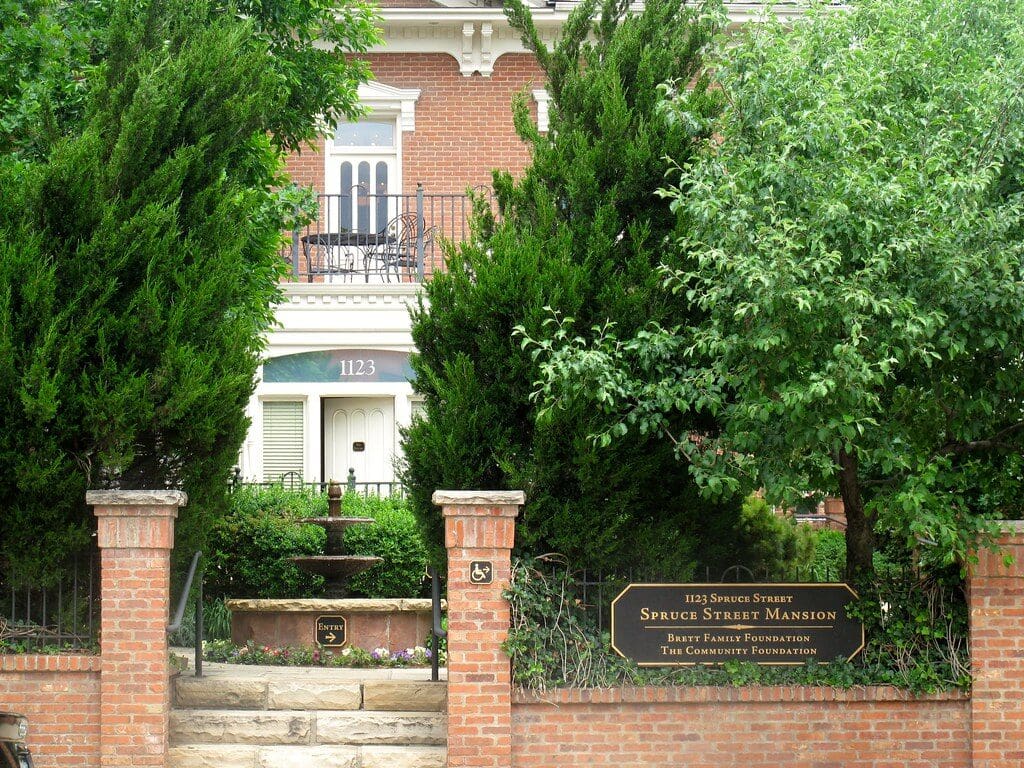
Spruce Street Mansion
The Arnett–Fullen House: Boulder’s “Gingerbread House”
At 646 Pearl Street, the Arnett–Fullen House stands out as one of Boulder’s most visually striking homes.
Built in 1877 for Willamette Arnett, this Victorian masterpiece is known for its elaborate Carpenter Gothic style, featuring:
- Ornate wood trim and bargeboards
- Steep gables and decorative detailing
- A distinctive tower that defines its silhouette
Historical Highlights:
- Cost nearly $4,000 to build—double neighboring homes at the time
- Listed on the National Register of Historic Places in 2009
- Designated a Boulder landmark in 1990
The home also gained literary fame as inspiration for The Mirror, a 1978 novel by Marlys Millhiser.
Local Legend:
Many believe the home is haunted, with stories of unexplained cold spots and sightings of a young girl in white.
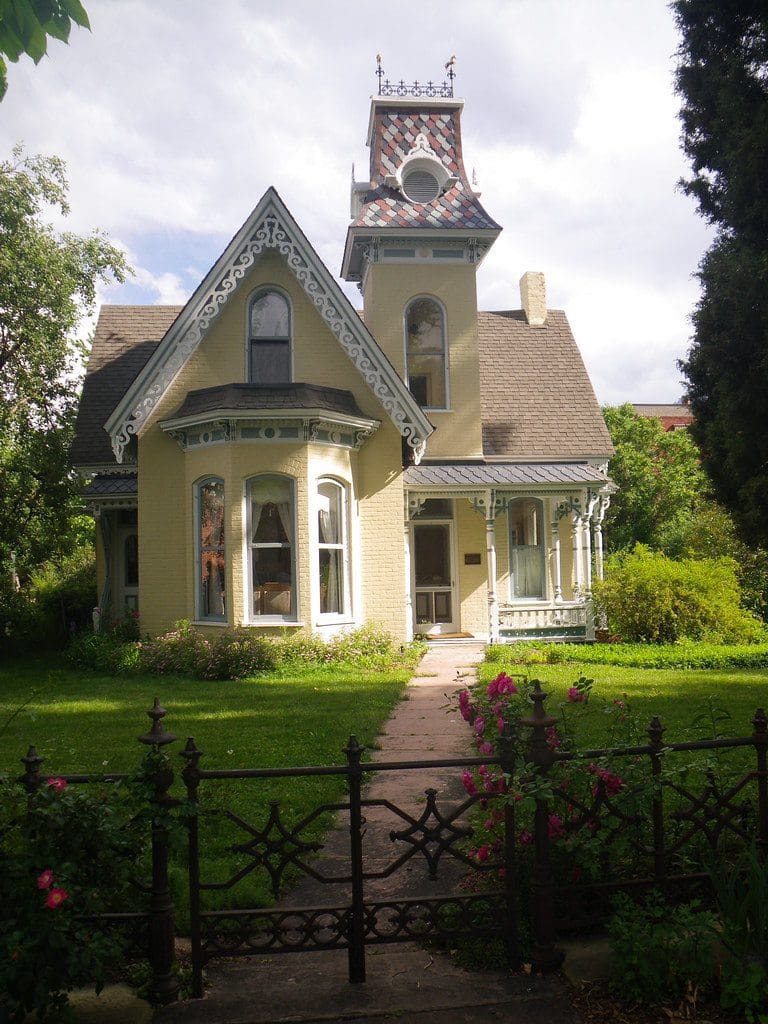
The Arnett-Fullen House, Boulder, CO
The Mork & Mindy House: Boulder’s Pop Culture Icon
Located at 1619 Pine Street, this historic Victorian became famous as the exterior of Mindy’s home in the hit TV show Mork & Mindy.
Starring Robin Williams, the show brought Boulder into living rooms across the country in the late 1970s.
Fun Facts:
- Built around 1900
- Features seven bedrooms
- The actual address appeared in the show
While interior scenes were filmed in California, this home remains one of Boulder’s most photographed landmarks.
Important Note:
The home is privately owned, so visitors should always view it respectfully from public areas.
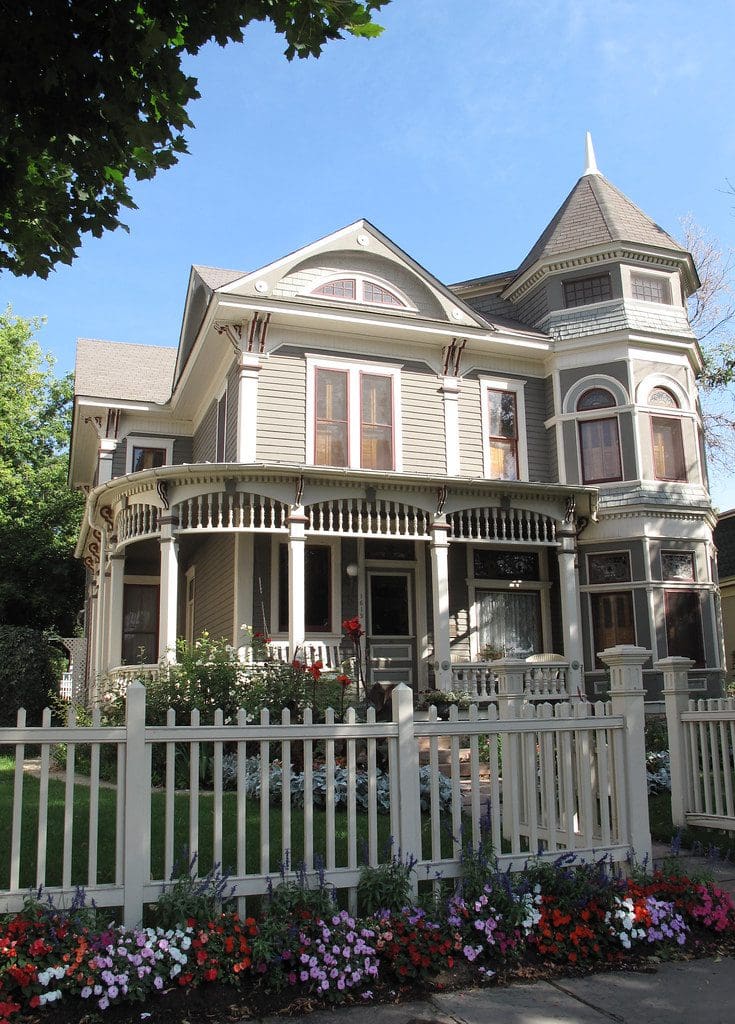
Mork & Mindy’s House – Boulder, CO (Elevation: 5,430 ft)
This iconic Victorian home on Pearl Street was the backdrop for Mork & Mindy, forever linking Boulder to TV history. Nanu Nanu!
Charles Haertling’s Homes: Boulder’s Most Unique Designs
Boulder’s architectural story doesn’t stop in the 1800s. In the 1960s and 70s, architect Charles Haertling transformed the city’s design landscape with bold, organic creations.
Haertling designed around 40 homes in Boulder, known for:
- Sculptural, nature-inspired forms
- Innovative materials and curved structures
- Seamless integration with the surrounding environment
The Mushroom House (Brenton House)
One of his most famous designs, located at 3752 Wonderland Hill Avenue, is often called the “Mushroom House.”
Why It Stands Out:
- Pod-like shapes inspired by nature
- Built using experimental foam-shell construction
- Featured in Woody Allen’s 1973 film Sleeper
Haertling’s work represents Boulder’s creative spirit and willingness to embrace bold ideas.

Why These Homes Still Matter Today
Boulder’s most famous homes are more than historic buildings—they are living pieces of the city’s identity.
They reflect:
- Early pioneer resilience
- Growth into a thriving community
- A culture that values both preservation and innovation
Many are still private residences, making respectful viewing essential. Organizations like Historic Boulder continue to play a key role in protecting these landmarks for future generations.
Explore Boulder’s History for Yourself
For those looking to experience these homes firsthand, consider walking through:
- Mapleton Hill for early pioneer homes
- Downtown and Pearl Street for Victorian architecture
- Wonderland Hill for modernist designs
Each neighborhood offers a different chapter of Boulder’s story.
Final Thought
Boulder’s homes tell a story you won’t find on a trail map. From stone farmhouses to whimsical Victorians and futuristic designs, these residences capture the spirit of a city that has always done things its own way.