
How a Teen Driver’s Inexperience Behind the Wheel Creates Unique Liability Challenges for Everyone Involved
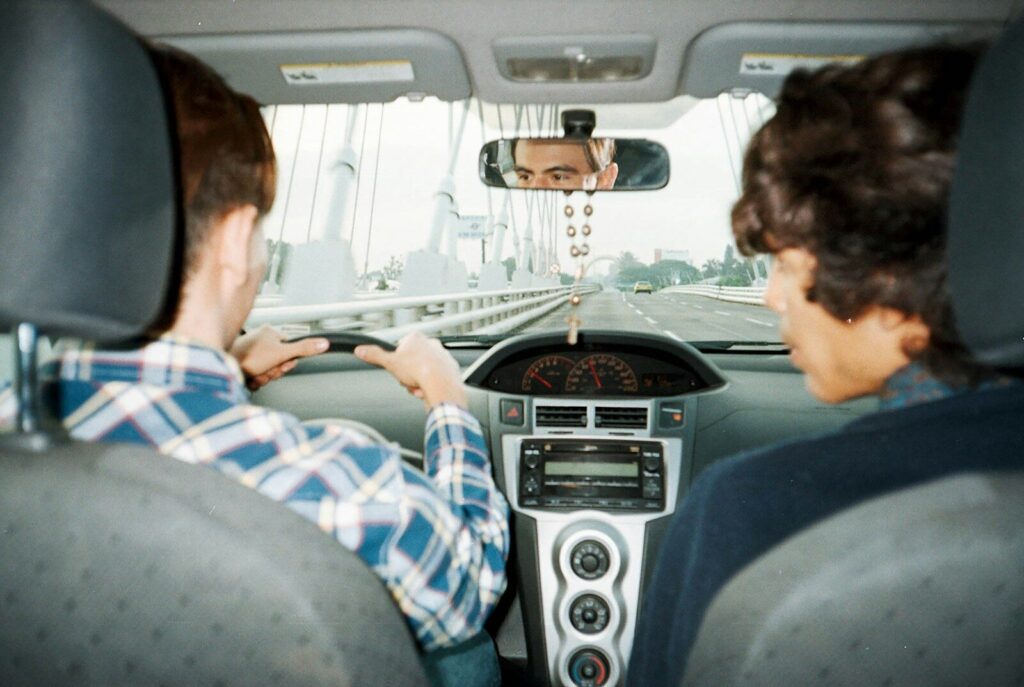
Photo by Evelyn Verdín on UnSplash
Learning to drive is an exciting step for many teenagers, but limited experience behind the wheel can also create serious risks for everyone on the road. When a teen driver causes or becomes involved in an accident, figuring out who is responsible can become more complicated than a typical crash claim. Understanding the role of juvenile legal representation can help families navigate the challenges that may arise when a young driver faces legal concerns after an accident. Factors such as parental involvement, insurance coverage, and the circumstances surrounding the collision can all influence how responsibility is determined. Knowing these details can help those involved make informed decisions during a difficult time.
Why Teen Driver Accidents are Different from Other Car Accidents
Teen driver accidents often involve different challenges because new drivers are still developing the skills needed to make quick decisions and respond to changing road conditions. Their limited experience can affect how they judge risks, follow traffic rules, and handle unexpected situations behind the wheel. These factors can make it more difficult to determine what happened and who may be responsible after a crash.
How Inexperience Behind the Wheel Can Contribute to Accidents
Inexperience behind the wheel can cause teen drivers to struggle to recognize hazards, judge safe distances, and react properly in unexpected situations. Simple mistakes, such as failing to notice changing traffic conditions or making rushed decisions, can lead to serious accidents. While being a new driver does not automatically make someone responsible, it can be an important factor when reviewing how a crash occurred.
Determining Who May Be Liable After a Teen Driver Accident
Determining liability after a teen driver accident often requires looking at more than just the actions of the young driver. Depending on the circumstances, responsibility may involve the teen, a parent or guardian, the vehicle owner, or other parties connected to the crash. Reviewing evidence and understanding the details of the accident can help clarify who may be legally responsible.
The Role of Parents and Guardians in Teen Driver Liability
Parents and guardians can play an important role in teen driver liability because they often provide access to the vehicle and help guide a young driver’s habits. Their responsibilities may include setting rules, providing supervision, and making sure the teen understands safe driving practices. In some cases, their decisions about a teen’s driving privileges may factor into responsibility after an accident.
How Insurance Complications Can Affect Teen Driver Accident Claims
Teen driver accidents can create insurance challenges because coverage often involves a parent’s policy, a family vehicle, or multiple parties involved in the crash. Insurance companies may carefully review who was driving, what coverage applies, and how the accident happened before handling a claim. Understanding these details can help families and injured individuals better prepare when dealing with the financial impact of a collision.
Common Challenges in Proving Liability in Teen Driver Cases
Proving the responsibility of a teenage driver is often challenging since an accident involving one could be as simple as one reason or as many as four or five. These reasons may be a distraction like looking at the phone, a speeding violation, reckless driving, drinking, or not using any safety features. To help the client understand the difficulties, the lawyer must show them some situations that could arise, which may result in the teenage driver being only partially at fault or possibly not at fault at all.
Conflicting Accounts of What Happened
Teen driver accidents may involve different versions of events from the drivers, passengers, and witnesses involved. Since memories can vary after a stressful collision, gathering reliable evidence is important for understanding how the accident occurred and who may be responsible.
Limited Evidence After the Accident
Some facts about a car accident may be difficult to track down later on, especially if physical evidence has been erased or the scene has changed. For a better understanding of an incident, one could go on to accident reports, photos, witness statements, and other forms of documentation.
Multiple Parties May Be Involved
Liability is not exclusively the teen driver because other people may have played a part in the environment leading to the accident. Aspects involving parents, car owners, or insurance policies can often complicate the determination of who is sharing the fault.
Assumptions About Young Drivers
People may sometimes assume that a teen driver is automatically at fault because of their age and limited experience. However, liability depends on the specific facts of the case, including driving behavior, road conditions, and the actions of everyone involved.
Proving Negligent Actions
Proving a driver was carefree and the reason for a traffic collision usually is not about just showing an accident happened. Very often, proof is needed to show how certain behavior, like driving while being distracted or making a wrong decision, caused the crash and the damages that followed from it.
Insurance Company Disputes
Insurance companies may judge adolescent driver accidents differently, based on the available proofs and the details of the insurance policy. Disputes over who is at fault, how much the insurance covers, or the repair cost of the damages can further delay or complicate the process for families who want a resolution that is fair to all parties.
Steps Families Should Take After a Teen Driver Accident
After a teen driver accident, families may feel overwhelmed and unsure about what to do next. Taking careful steps early can help protect everyone involved, preserve important information, and make it easier to address any legal or insurance concerns that may follow.
Prioritize Safety and Medical Needs
Collecting information after an accident can help preserve evidence that could be useful in determining liability. Pictures of the cars, road conditions, injuries, and the environment can provide a more visual and detailed record of what happened.
Report the Accident Properly
Families should make sure the accident is reported to the appropriate authorities and that an official record is created. A police report can provide important details about the crash and may become valuable when reviewing what happened later.
Document Important Details
Collecting information following an accident might help preserve evidence that could be useful in determining liability. Pictures of the cars, road conditions, the injuries, and the environment would give a more visual and detailed record of what happened.
Avoid Making Unnecessary Statements
Families are advised to be very cautious when talking to their insurance company or any other third party about the incident. Providing incorrect information, or giving the impression that you have completely grasped the situation, can create difficulties when dealing with claims/legal issues.
Review Insurance Coverage
Learning about insurance coverage options can help families anticipate potential financial losses from the incident. Studying the policy document thoroughly, including identifying the insured persons and possible covered losses, will give them a clearer picture of possible actions.
Seek Guidance When Legal Issues Arise
Some teen driver accidents may involve legal concerns that require careful attention and planning. Getting advice from a qualified professional can help families understand their responsibilities, protect their rights, and make informed choices moving forward.
Conclusion
Teen driver accidents can create complicated liability questions because inexperience, family involvement, and insurance issues can all affect how responsibility is determined. Understanding these challenges can help families take the right steps and protect their teen’s future after a difficult situation. When legal concerns arise, juvenile legal representation can provide guidance and support throughout the process.