
How Tech Is Changing the Way Boulder Trains on the Trails

Boulder has always been a place where fitness happens outside. From early-morning trail runs near Chautauqua to sunset hikes on Mount Sanitas, movement here is deeply connected to the land. What’s changing right now isn’t where people train — it’s how they train.
Across Boulder, a growing number of athletes, weekend hikers, and everyday locals are blending outdoor fitness with smart technology, recovery tracking, and functional movement. The result is a shift away from grind-it-out workouts and toward training that supports longevity, performance, and joy in movement.
This isn’t about chasing records. It’s about moving better — and longer — in the mountains.
Training Smarter for Boulder’s Terrain
Boulder’s trails are demanding in a way that treadmills never will be. Uneven ground, elevation gain, altitude, and long descents require stability, balance, and endurance. That reality is driving a new fitness mindset: train for the trails, not just the gym.
Instead of focusing solely on heavy lifting or high-intensity workouts, more locals are prioritizing:
- Single-leg strength for uneven terrain
- Hip and ankle mobility for steep climbs and descents
- Core stability for long hikes and trail runs
- Grip strength that translates to scrambling and climbing
The goal is simple: fitness that shows up where it matters — outside.
Wearables Are Shaping Outdoor Training
Walk any Boulder trail and you’ll notice watches and bands quietly collecting data. Wearable technology has moved far beyond step counting. Locals are now using it to understand recovery, readiness, and how their bodies respond to altitude and effort.
Common metrics people track include:
- Heart rate variability (a marker of recovery and stress)
- Sleep quality
- Training load and fatigue
- Elevation and exertion levels
This data helps people make smarter decisions — when to push, when to back off, and when a rest day is actually the best training choice.
Health researchers have increasingly emphasized that consistent, moderate activity paired with adequate recovery supports long-term health and performance, especially as people age. Studies highlighted by Harvard Health Publishing reinforce that movement quality and recovery matter just as much as intensity for longevity and injury prevention.
Recovery Is Now Part of the Routine
One of the biggest fitness shifts in Boulder right now is the normalization of recovery. What used to be considered optional is now viewed as essential.
Popular recovery practices include:
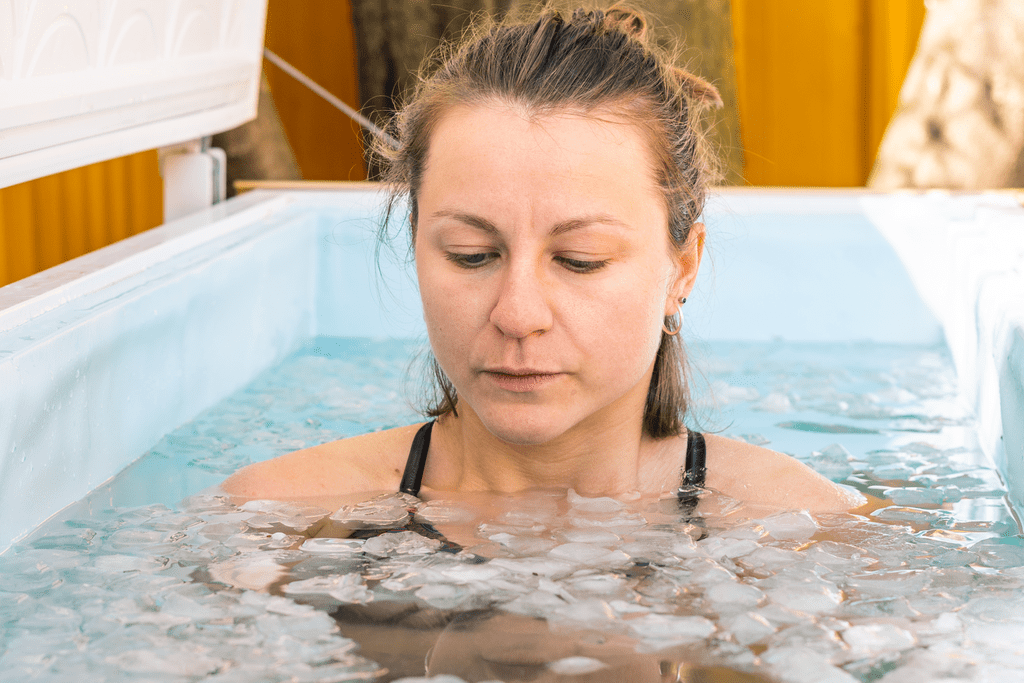
- Sauna and cold-water exposure
- Mobility and stretching sessions
- Breathwork for nervous system regulation
- Sleep optimization guided by wearable feedback
Rather than training through fatigue, people are learning to listen to their bodies — and the data simply helps confirm what intuition already knows.
The Centers for Disease Control and Prevention has consistently emphasized that sustainable physical activity, paired with rest and recovery, reduces injury risk and supports overall wellness, especially for active adults.
A Longevity-First Fitness Culture
Perhaps the most Boulder-specific part of this trend is its mindset. Fitness here is becoming less about competition and more about continuity.
People want to:
- Keep hiking, skiing, and biking into later decades
- Avoid burnout and chronic injury
- Stay mentally clear and emotionally balanced
- Build routines that fit real life
This approach aligns naturally with Boulder’s outdoor identity and reinforces why the city continues to be a national model for healthy living and intentional movement. It’s a philosophy already reflected throughout the local fitness and wellness culture you see every day across the community and throughout the stories shared on AboutBoulder.com.
Why This Trend Fits Boulder Perfectly
Boulder doesn’t follow fitness trends — it adapts them. By combining technology, outdoor training, and a strong respect for recovery, locals are redefining what it means to be fit in a mountain town.
The result is a smarter, more sustainable way to move — one that keeps people on the trails they love, season after season.