
How To Navigate the Erie Balloon Festival
How do you navigate a hot air balloon?
Today is Day Number One of the three-day Erie Balloon Festival. We can find it with our phones and navigation is easy. It is across the street from the Erie High School. But once there, how do we navigate the hot air balloon???
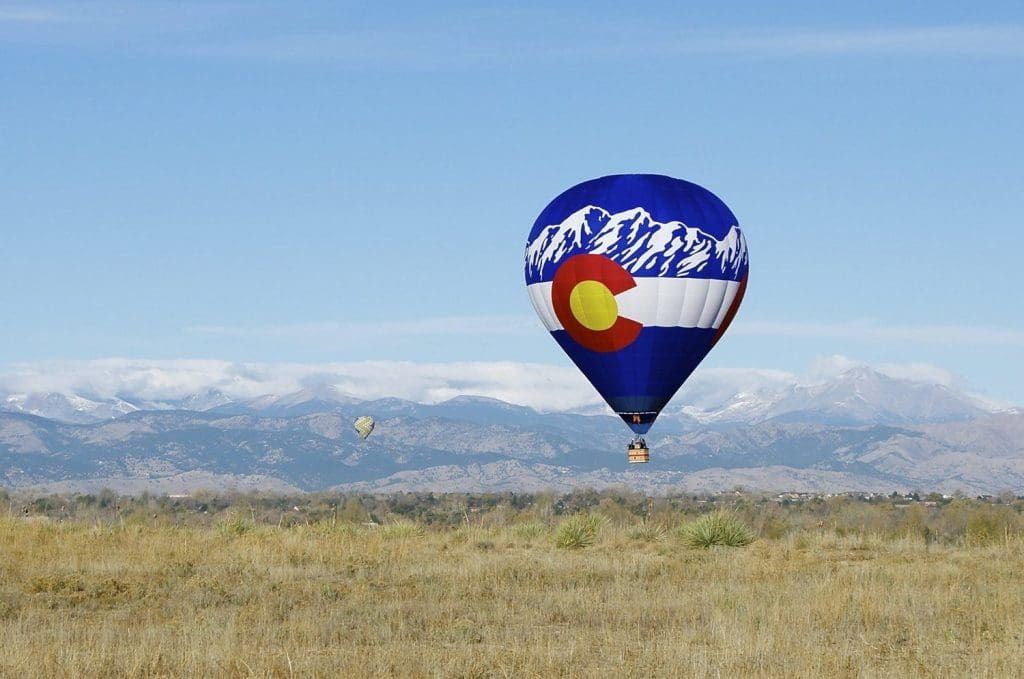
This Colorado Balloon appears frequently over the front range.
Hot air balloons are a unique and fascinating mode of transportation, offering a serene way to float above the landscape. Unlike airplanes or cars, they lack engines or steering wheels, so navigating them requires a different approach. This blog explores how pilots control and navigate hot air balloons, blending skill, science, and a touch of art.
The Basics of Hot Air Balloon Flight
Hot air balloons operate on a simple principle: hot air rises. By heating the air inside the balloon’s envelope (the large fabric part), the balloon becomes lighter than the cooler air around it, causing it to float upward. Cooling the air or allowing it to escape makes the balloon descend. This ability to control altitude is the foundation of balloon navigation.
Pilots use a burner to heat the air and a vent at the top of the envelope to release hot air. These tools allow precise control over the balloon’s vertical movement, but what about moving horizontally? That’s where the art of navigation comes in.
Navigating with the Wind
Hot air balloons are at the mercy of the wind, as they have no propulsion system to move them forward. Instead, pilots navigate by leveraging wind patterns at different altitudes. Winds often vary in speed and direction depending on height, a phenomenon known as wind shear. For example, the wind at 1,000 feet might blow east, while at 3,000 feet, it could be heading north.
Before a flight, pilots study weather reports, including wind charts, to understand the wind patterns at various altitudes. During the flight, they adjust the balloon’s altitude to catch winds that will carry them in the desired direction. This requires a deep understanding of local weather patterns and real-time observation of the balloon’s movement.
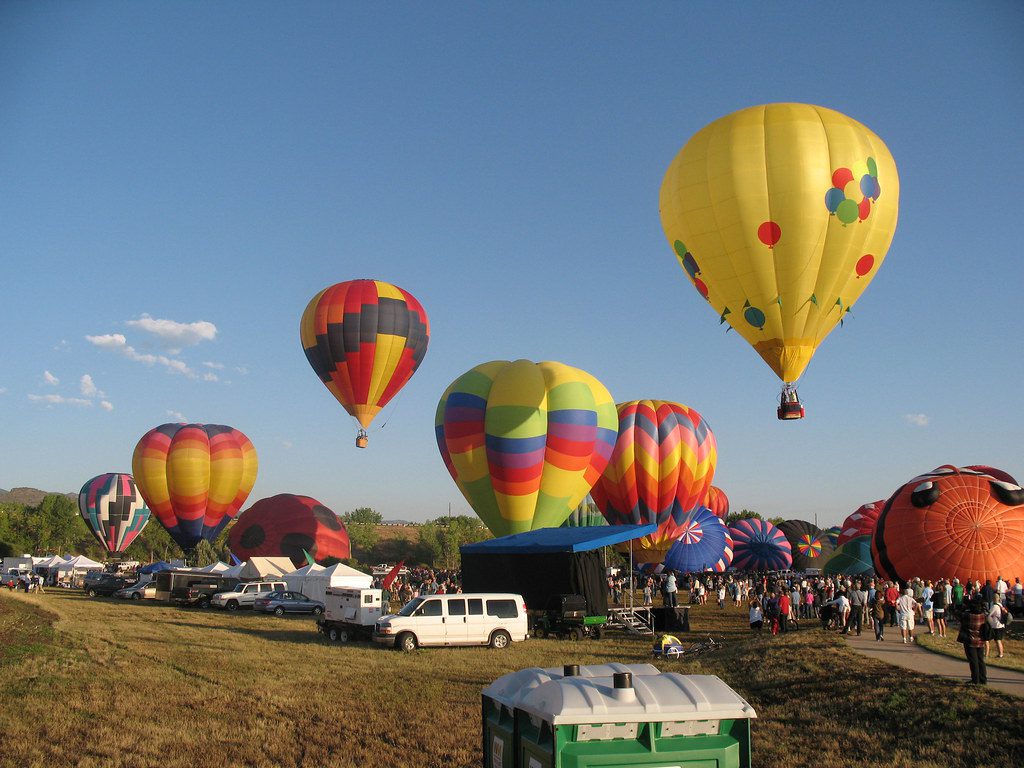
A hot air balloon launch is a miraculous sight to behod!
Tools for Navigation
While the balloon itself is simple, pilots use several tools to aid navigation:
- Altimeter: Measures the balloon’s altitude, helping the pilot find specific wind layers.
- GPS: Modern balloons often carry GPS devices to track position, speed, and direction relative to the ground.
- Variometer: Shows the rate of climb or descent, allowing precise control over vertical movement.
- Compass: Helps confirm the balloon’s heading, especially when GPS is unavailable.
- Weather Data: Pilots may use radios or smartphones to receive real-time updates on wind and weather conditions.
By combining these tools with their knowledge of wind patterns, pilots can steer the balloon toward a general destination, though pinpoint accuracy is not always possible.
The Role of the Pilot’s Skill
Navigating a hot air balloon is as much an art as it is a science. Experienced pilots develop an intuitive sense of how winds behave, often based on years of flying in specific regions. They learn to “read” the landscape—observing how trees sway or how smoke rises—to gauge wind direction and speed at different altitudes.
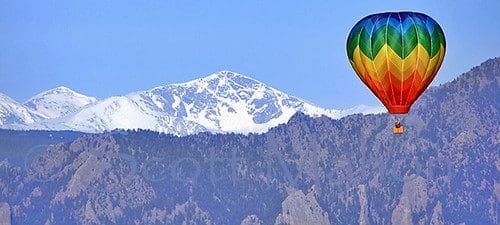
Hot air balloon in front of the front range and the Continental Divide
Pilots also need to plan for landing. Since balloons can’t hover or reverse, finding a suitable landing spot requires foresight. They look for open fields, away from power lines, trees, or water, and must account for wind speed to ensure a safe touchdown. The ground crew, following the balloon in a chase vehicle, plays a crucial role in coordinating landings and retrieving the balloon.
Challenges of Balloon Navigation
Navigating a hot air balloon comes with unique challenges:
- Unpredictable Winds: Even with detailed weather forecasts, winds can shift unexpectedly, requiring quick adjustments.
- Limited Control: Pilots can only control altitude, not speed or direction, making navigation less precise than other forms of transport.
- Terrain and Obstacles: Urban areas, mountains, or bodies of water can limit landing options, requiring careful route planning.
- Weather Sensitivity: Balloons can only fly in calm conditions, typically early in the morning or late in the afternoon when winds are gentle.
Despite these challenges, skilled pilots can navigate with surprising accuracy, often landing within a few miles of their intended target.
The Joy of Balloon Navigation
Navigating a hot air balloon is a blend of preparation, adaptability, and harmony with nature. Pilots must work with the elements rather than against them, making each flight a unique adventure. The slow, quiet pace of ballooning allows passengers to soak in breathtaking views while the pilot skillfully guides the journey using invisible currents in the sky.
Whether it’s a leisurely float over rolling hills or a competitive race at a balloon festival, the art of navigating a hot air balloon showcases human ingenuity and a deep connection to the natural world. Next time you see a balloon drifting overhead, you’ll know it’s not just floating aimlessly—it’s being guided by a pilot who’s mastered the winds.
Lenny Lensworth Frieling
Shared Knowledge Is Power!