
Inside NCAR Boulder: Colorado’s Iconic Atmospheric Research Center
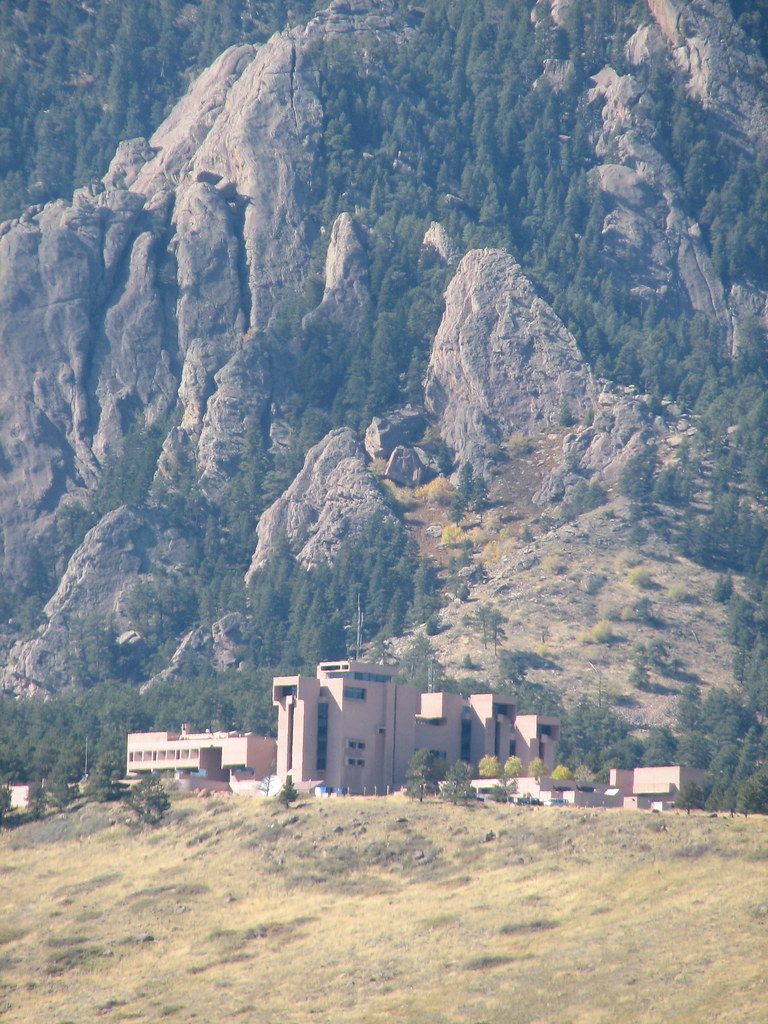
Perched at the base of the Flatirons, the National Center for Atmospheric Research (NCAR) has been a pillar of Boulder’s scientific identity for more than six decades. Established in 1960 by the National Science Foundation and managed by the University Corporation for Atmospheric Research (UCAR), NCAR was created to give university researchers access to cutting-edge tools and data for studying the Earth’s atmosphere. What began as a bold national experiment quickly became a beacon of innovation that continues to shape how we understand weather, climate, and the environment today.
The heart of NCAR is its Mesa Laboratory, a stunning building designed by world-renowned architect I.M. Pei. Completed in 1967, the structure was inspired by the ancient cliff dwellings of the Ancestral Puebloans, blending seamlessly into Boulder’s natural landscape. The building has won numerous awards for its architecture and remains a must-visit destination for science enthusiasts, students, hikers, and even filmmakers. In fact, the Mesa Lab famously appeared in Woody Allen’s 1973 sci-fi comedy Sleeper.
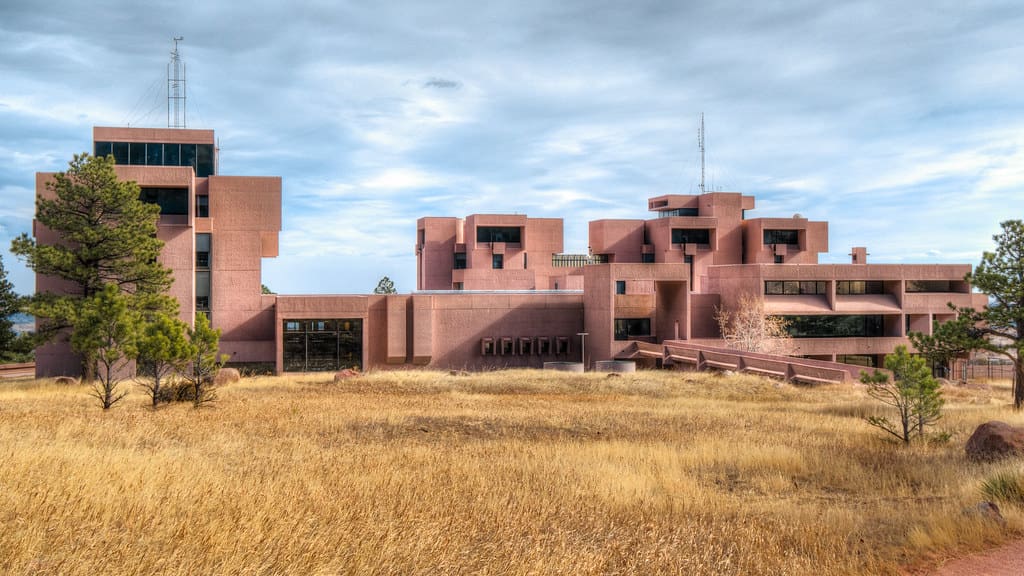
NCAR Building from the back
While NCAR’s design turns heads, its scientific contributions are even more impressive. From pioneering global climate models to launching research aircraft that fly directly into storms, NCAR supports cutting-edge research on everything from cloud formation and air quality to solar flares and wildfires. The organization is also known for its supercomputing power, having hosted legendary machines like the Cray-1 in the 1970s and the Bluefire system decades later. These technological advancements have made NCAR a central hub for global climate simulations and weather prediction.
Education and outreach are key components of NCAR’s mission. The Mesa Laboratory is open to the public and features hands-on exhibits, real-time weather displays, and interactive tools that make complex science accessible to all ages. Visitors can “touch a cloud,” watch live lightning data, and explore Boulder’s trail system right outside the doors of the lab.

Boulder, CO – NCAR
One little-known fact: NCAR’s High Altitude Observatory, a division focused on solar and space physics, predates the center itself and still operates the Mauna Loa Solar Observatory in Hawaii. This legacy of skyward research has made Boulder a world-class center for atmospheric and environmental science.
Today, NCAR continues to play a critical role in tracking climate change, supporting weather forecasting, and training the next generation of atmospheric scientists. As Boulder evolves, the center remains a steadfast reminder of what happens when curiosity meets collaboration on a national scale.
To learn more about NCAR’s work, programs, and visiting options, explore the official NCAR website. You can also take a deeper dive into its origins and architectural history through Wikipedia’s article on NCAR.
For more stories highlighting Boulder’s unique blend of science, nature, and innovation, explore this feature on local community life.