
Preparing Boulder for High Winds and Fire Season: Safety, Community, and Resilience
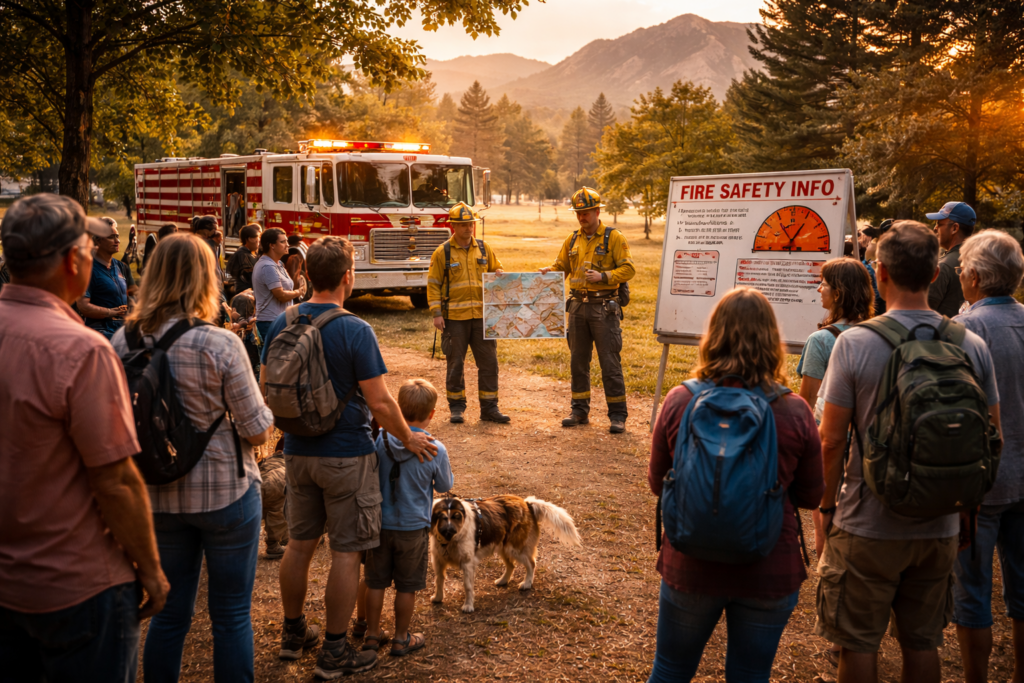
Boulder is no stranger to dramatic weather shifts. Sitting at the meeting point of the Rocky Mountains and the open plains, the city regularly experiences powerful winds, rapid drops in humidity, and fast-changing conditions that elevate wildfire risk—especially along the Front Range.
During periods of high winds and low humidity, fire danger rises quickly. These are the days when a single spark can travel faster than anyone expects, when open spaces are closed out of caution, and when residents are reminded just how important preparedness and awareness truly are.
Why Boulder Faces Elevated Fire Risk
Boulder’s geography plays a major role. Strong downslope winds coming off the mountains can accelerate as they move east, drying vegetation and creating conditions where fires spread rapidly. When combined with seasonal drought cycles and cured grasses, even winter and early-spring days can feel more like peak fire season.
Agencies issue fire weather warnings not just because of heat, but because wind and dryness together create the most dangerous combination. These alerts are a signal—not of panic—but of prevention.

Boulder’s location at the edge of the Rocky Mountains creates a natural wind accelerator, where air flows over the peaks, descends rapidly through the foothills, and intensifies as it moves toward the plains.
What High Wind Days Mean for the Community
On extreme wind days, residents may notice changes across the city:
- Temporary closure of open space trails and parks
- Power shutoffs designed to prevent downed lines from igniting fires
- Increased visibility of emergency messaging from local officials
- Stronger enforcement of fire restrictions
These steps are taken early and deliberately. Boulder’s approach prioritizes prevention over reaction, recognizing that preparation saves property, ecosystems, and lives.
How Boulder Residents Can Prepare
Community resilience starts at home. Small actions, taken collectively, make a measurable difference during fire-prone conditions.
Stay informed. Monitor local alerts and forecasts, especially when wind advisories are issued. Understanding when conditions shift helps residents plan activities safely.
Create defensible space. Clearing dry leaves, dead branches, and flammable materials from around homes—especially decks and fences—reduces ignition risk.
Secure outdoor items. High winds can turn patio furniture, umbrellas, or debris into hazards that damage property or block evacuation routes.
Respect closures and restrictions. Open space closures and fire bans are based on real-time conditions. Honoring them protects first responders and the broader community.
The Role of Community Awareness
Boulder’s strength has always been its people. Neighbors check in on one another. Hikers share trail updates. Residents pay attention and adjust behavior quickly when conditions change.
This collective awareness is one of Boulder’s greatest assets during high-risk weather. Fire safety isn’t just the responsibility of agencies—it’s a shared commitment that spans neighborhoods, trails, and town corridors.
Looking Ahead: Resilience as a Way of Life
As climate patterns continue to evolve, Boulder’s relationship with fire and wind will remain an ongoing challenge. But the city has shown time and again that proactive planning, clear communication, and community engagement make a real difference.
Preparedness doesn’t mean living in fear. It means understanding the landscape, respecting natural forces, and acting early. Boulder’s ability to adapt—while protecting its open spaces, homes, and people—reflects a deeper culture of responsibility and care.
High winds will return. Fire danger will rise again. And when it does, Boulder will meet it the same way it always has: informed, connected, and resilient.