
The Best Places to See Bald Eagles in Boulder, Colorado
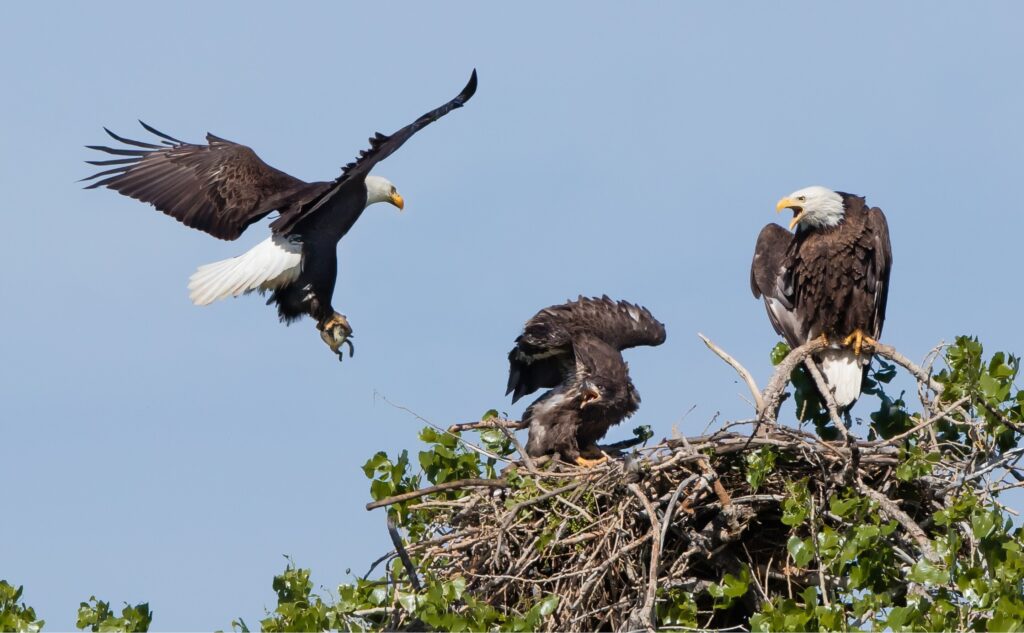
Boulder’s Bald Eagle Comeback Is One of Colorado’s Great Wildlife Success Stories
If you’re chasing that unforgettable moment of spotting a bald eagle soaring above Boulder’s open space, wings stretched wide against a backdrop of the Flatirons, you’re in luck. Once a rare sight in the area, bald eagles have made a remarkable comeback and are now among Boulder County’s most exciting wildlife success stories.
After decades of decline across North America due largely to habitat loss and the effects of DDT, bald eagle populations rebounded following conservation efforts, habitat protection, and the banning of DDT in the United States. Today, Boulder County supports multiple nesting pairs and provides excellent opportunities for residents and visitors to observe these iconic birds throughout the year.
Whether you’re an avid birder, photographer, or simply someone who enjoys spending time outdoors, Boulder offers several outstanding locations to see bald eagles in their natural habitat.
Boulder Creek Corridor
The Boulder Creek corridor is one of the most reliable places to spot bald eagles in Boulder County. Stretching through the city and connecting a variety of natural habitats, the creek supports multiple nesting territories and communal winter roosting areas.
Early mornings and late afternoons are often the most productive times to visit. Eagles can frequently be seen soaring above the creek, perched in tall cottonwood trees, or scanning the water below for opportunities to feed.
The combination of riparian habitat, mature trees, and nearby open space creates ideal conditions for these impressive raptors.

Boulder Reservoir and Coot Lake
Few locations in Boulder offer better eagle habitat than the area surrounding Boulder Reservoir and nearby Coot Lake.
Open water attracts fish, while surrounding grasslands provide additional food sources. Visitors regularly report sightings of bald eagles perched along the shoreline or soaring high overhead.
The nearby Eagle Trailhead is particularly popular among wildlife enthusiasts. The trail system offers excellent vantage points and expansive views of the surrounding landscape.
During winter months, eagle activity often increases, making this one of the area’s premier birdwatching destinations.
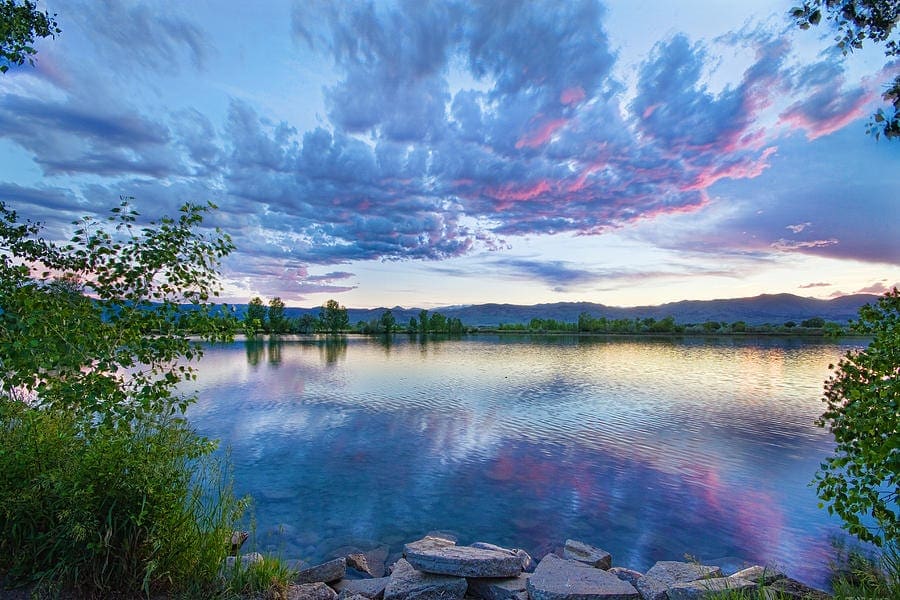
Coot Lake
Walden Ponds and Sawhill Ponds
The wetlands surrounding Walden Ponds Wildlife Habitat and Sawhill Ponds are another favorite among local birders.
Originally reclaimed gravel pits, these habitats have evolved into thriving ecosystems that attract a wide variety of wildlife. Waterfowl, shorebirds, hawks, owls, and bald eagles can all be found here throughout the year.
Winter often provides particularly good viewing opportunities as eagles take advantage of open water and abundant prey.
Bring binoculars and take your time exploring the trails and observation areas—you never know when a bald eagle might appear overhead.
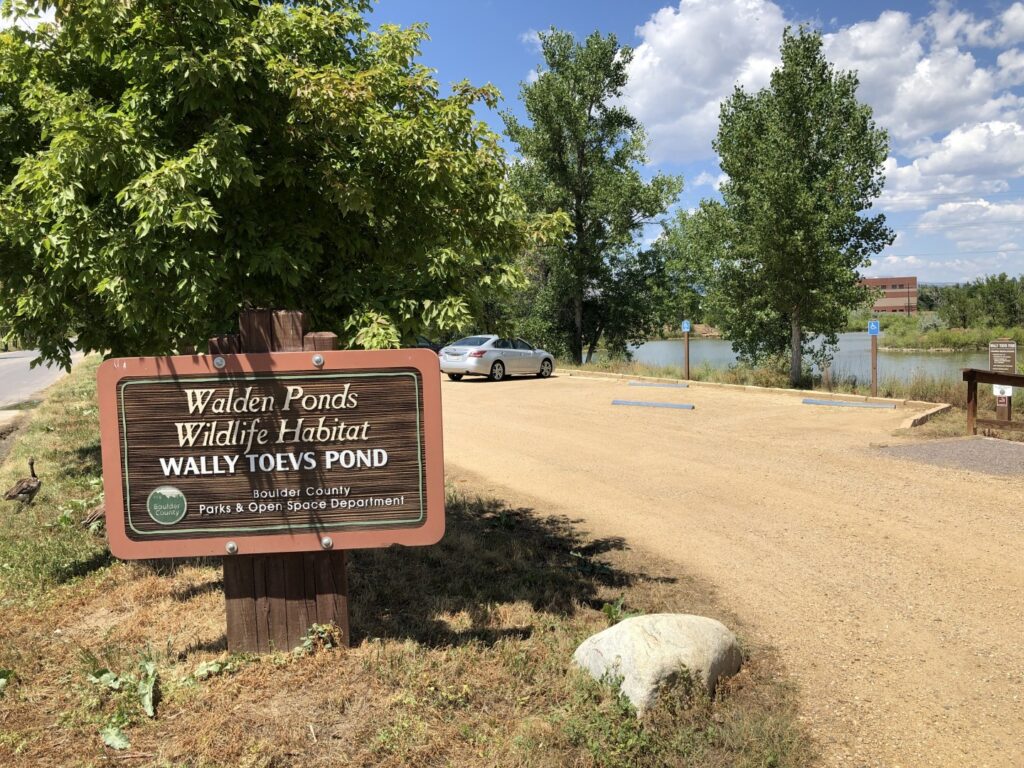
Lagerman Reservoir
Located north of Boulder, Lagerman Reservoir is another excellent destination for eagle watching.
The reservoir attracts both resident birds and seasonal visitors. Eagles can often be seen perched on utility poles, resting in nearby trees, or hunting over the surrounding grasslands.
A relatively easy walking loop around the reservoir makes it accessible for visitors of all ages and experience levels. On clear days, the combination of foothill views and eagle sightings creates an unforgettable Colorado experience.
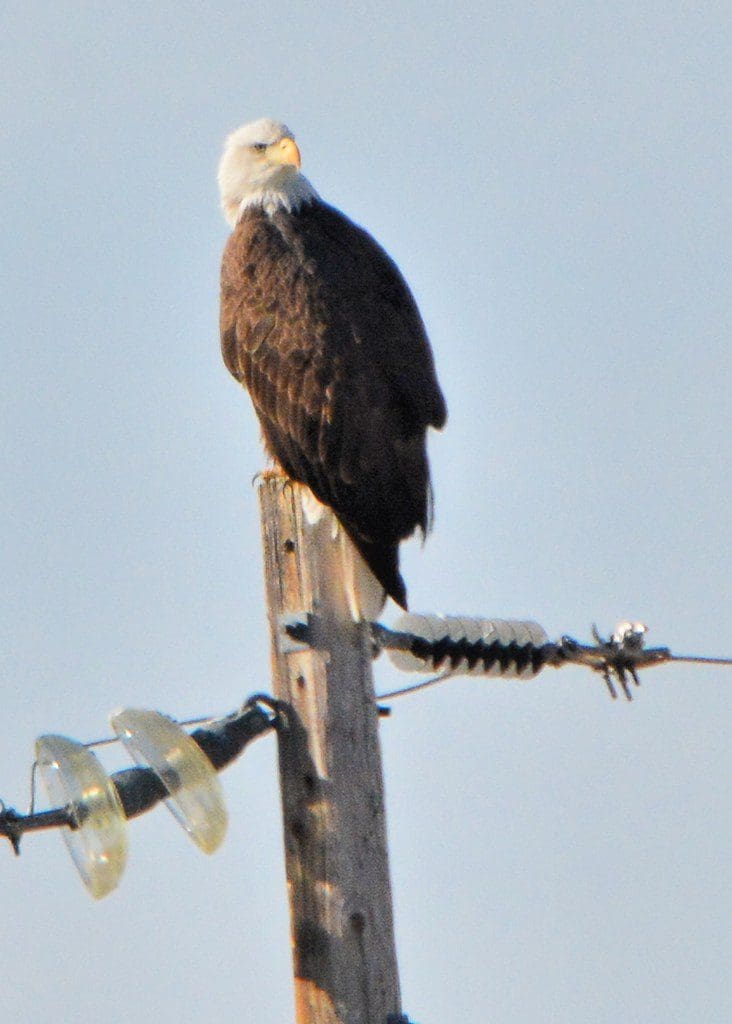
Bald Eagle – Lagerman Reservoir – Boulder,
Lower Boulder Creek Habitat Conservation Area
The Lower Boulder Creek Habitat Conservation Area plays an important role in protecting nesting and roosting habitat for bald eagles and other wildlife.
Some areas may be seasonally closed to protect sensitive nesting activity. These closures help ensure that nesting pairs can successfully raise their young without disturbance.
Visitors should always respect posted signs, remain on designated trails, and observe wildlife from a safe distance.
Best Time of Year to See Bald Eagles in Boulder
While bald eagles can be seen year-round in Boulder County, certain times of year offer especially good opportunities.
Peak Eagle Viewing Season
- December through March often provides the highest concentration of eagle activity.
- February and March are particularly active as nesting season begins.
- Resident birds are joined by some winter visitors from farther north.
Best Time of Day
- Early morning
- Late afternoon
- Calm weather conditions following sunrise
These periods often coincide with increased feeding and flight activity.
Don’t Be Surprised If You Spot a Golden Eagle
While searching for bald eagles, keep an eye out for another impressive raptor: the golden eagle.
Boulder County supports both species, particularly in areas near grasslands and open space. Golden eagles lack the distinctive white head and tail of adult bald eagles but are equally impressive, with powerful builds and incredible hunting abilities.
For many birdwatchers, spotting both species on the same outing is a memorable bonus.
A Reminder of Why Open Space Matters
Boulder’s bald eagles are more than just a wildlife attraction. They represent one of Colorado’s great conservation success stories and demonstrate the value of protecting natural habitats.
The county’s network of reservoirs, wetlands, grasslands, and creek corridors provides the food, nesting sites, and protection these birds need to thrive.
Whether you’re an experienced birder, a wildlife photographer, or simply someone looking for a memorable outdoor adventure, few sights compare to watching a bald eagle glide silently across a Colorado sky.
So grab your binoculars, dress for the weather, and head out to one of Boulder’s top eagle-viewing locations. With a little patience and a bit of luck, you may witness one of nature’s most spectacular displays—and one of Boulder’s greatest conservation victories.