The Lyrids Meteor Shower: A Springtime Celestial Treat
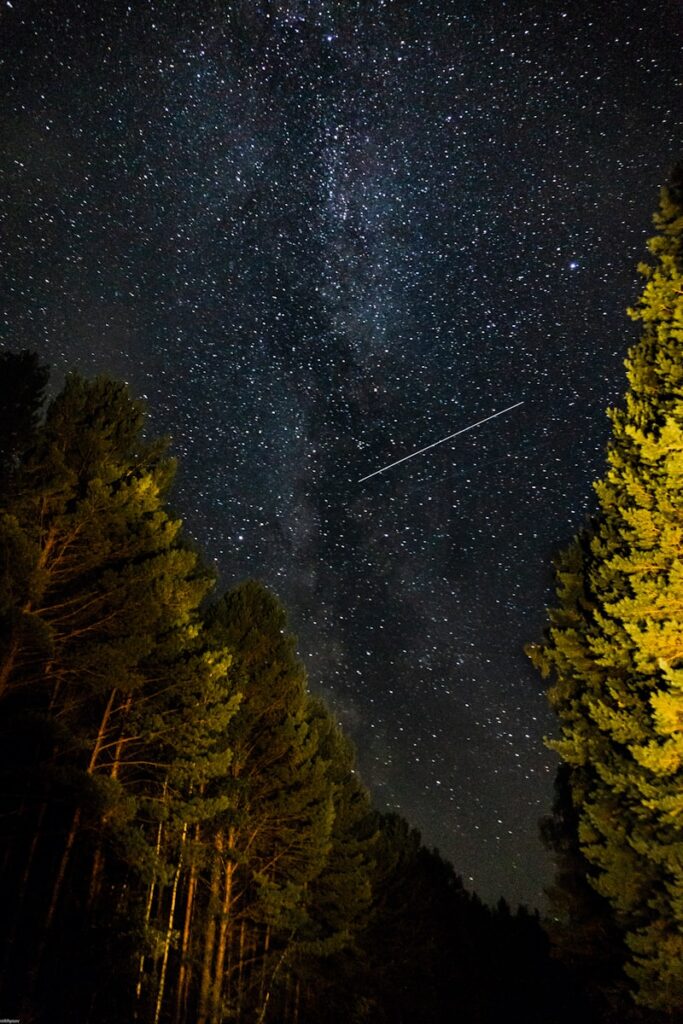
Every April, the night sky comes alive with the Lyrids Meteor Shower, an annual display that delights both seasoned astronomers and casual stargazers alike. Produced by debris from Comet C/1861 G1 (Thatcher), the Lyrids are one of spring’s highlights, often surprising observers with bright, fast “shooting stars.” In 2025, their peak will occur on the night of April 22 into the early morning of April 23, offering a dazzling show of about 20 meteors per hour under favorable conditions.
When and Where to Look
The Lyrids run from April 16 to 25 each year, but the best time to catch them will be after midnight on April 22, continuing into the pre-dawn hours of April 23. The meteors appear to radiate from the constellation Lyra, near the bright star Vega, but they can streak across any part of the sky.
- Peak Nights: April 22-23
- Best Viewing Window: Midnight to dawn
- Location in Sky: Constellation Lyra (near Vega)
This year, a thin crescent moon will rise late, which means minimal moonlight interference for meteor watching. The darker the sky, the better your chances of seeing the fainter meteors.
The Lyrids: Fast and Bright
Although the Lyrids aren’t as famous as the Perseids or Geminids, they often make up for it with occasional fireballs. The tiny dust particles from Comet C/1861 G1 (Thatcher) slam into Earth’s atmosphere at high speed, sometimes producing bright, long-lasting trails. Keep your eyes peeled for these luminous streaks that can linger for several seconds.
For more information on other skywatching highlights in 2025, check out this Space.com article, which offers a great overview of upcoming celestial events.
Tips for Enjoying the Lyrids
- Find a Dark Site
Light pollution washes out faint meteors, so head to a remote area or a local park with minimal artificial lighting. (If you’re curious about how to reduce light pollution in your neighborhood, see our latest piece on “Saving the Stars” and learn why it matters.) - Let Your Eyes Adapt
It takes about 20 minutes for your eyes to fully adjust to the dark. Avoid looking at bright screens or using white flashlights. - Get Comfortable
Bring a blanket or a reclining chair. Dress in layers, especially if you’re in the high-altitude regions of Colorado, where temperatures can drop quickly. - Look Up, Don’t Stare
Since meteors can appear in any part of the sky, lie back and take in as wide a view as possible. - Be Patient
Meteor showers are nature’s light show — they happen on their own schedule. Give yourself at least an hour of dedicated watching time.
Join an AstroTour!
If you’d like a guided experience or just some friendly company under the stars, AstroTours.org hosts viewing sessions during major meteor showers like the Lyrids. We bring along telescopes for close-up views of planets and deep-sky objects. But truthfully, the best way to watch a meteor shower is the old-fashioned way: simply gazing up with your eyes, waiting for that streak of light to zip across the dark sky.
For more on protecting our night skies and understanding the impact of light pollution, check out our article on The Moon: Earth’s Loyal Companion and Celestial Wonder, which also covers simple steps we can take to preserve the beauty of the cosmos.
Final Thoughts
The Lyrids Meteor Shower is an enchanting reminder of our cosmic connection. As small specks of comet dust burn up overhead, they paint luminous paths that capture our imagination. Grab a warm beverage, head out to a dark sky spot, and soak in the fleeting brilliance of the Lyrids. Whether you’re an astrophotographer or a curious first-timer, this April spectacle is well worth a night under the stars. Enjoy the show!
Related
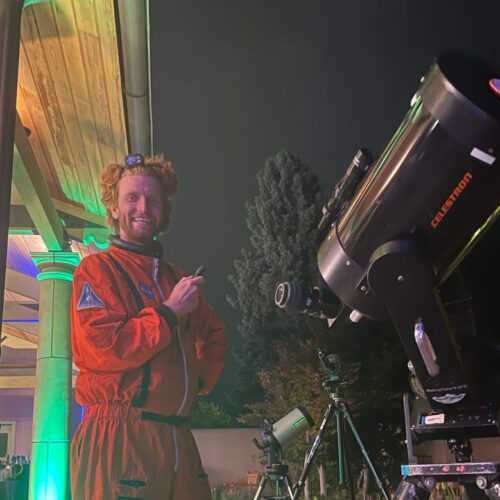
Luke Huxley is the founder of AstroTours.org and a passionate advocate for making astronomy accessible and exciting. A graduate in astrophysics from the University of Colorado, Luke combines his scientific background with storytelling to craft unforgettable stargazing experiences. He’s traveled the globe for astronomy, including a stint working with "Space Gandalf" in Australia which inspired him to start AstroTours.org. Luke hosts astronomy programs weekly just outside of boulder where he takes guests on a guided astronomy tour across the universe.