
The Rich History of Boulder, Colorado: From Gold Rush to Innovation Hub
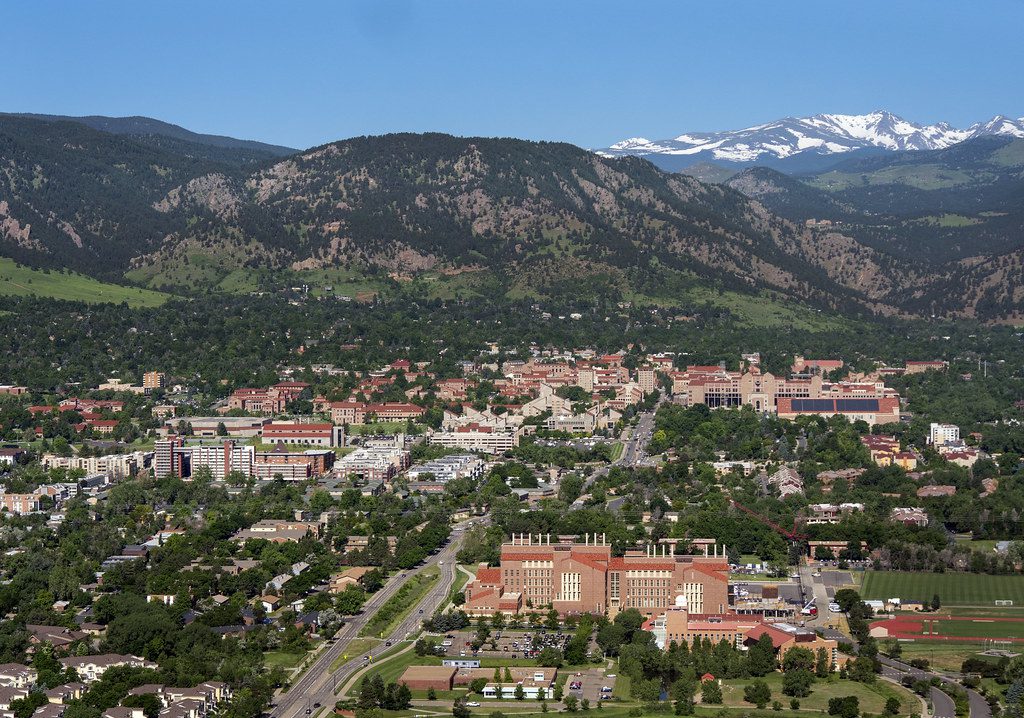
Boulder, Colorado: A Storied Past That Shaped a Vibrant Present
When most people think of Boulder, Colorado, they envision towering Flatirons, endless hiking trails, and a laid-back vibe that draws dreamers, climbers, scholars, and seekers from all over. But before Boulder became one of the most desirable places to live in the country, it was a frontier town rooted in gold, grit, and a pioneering spirit that never left.
The Gold Rush Spark That Started It All
Boulder’s modern story begins in 1858, during the height of the Colorado Gold Rush. A group of prospectors settled in the area along Boulder Creek, searching for fortune in the streams and hills. They soon founded Boulder City in 1859, which was formally incorporated in 1871. While many of these early settlers were lured by gold, they quickly discovered that the surrounding area offered more than just mineral wealth — it offered an ideal place to live.
The arrival of the Colorado Central Railroad in 1873 helped Boulder grow from a modest mining supply town into a vibrant hub for commerce and community. As noted in the Colorado Encyclopedia, Boulder played a pivotal role in developing the northern Colorado region through its commerce and educational institutions.
A University Town is Born
In 1876 — the same year Colorado achieved statehood — the University of Colorado was established in Boulder. The decision to build CU Boulder atop a scenic hill overlooking the city would shape the town forever. From that moment on, Boulder began to grow into a center of education, culture, and progressive thought.

CU Boulder has since become one of the most respected public universities in the country, producing Nobel laureates, groundbreaking research, and a spirited student population that helps define the city’s youthful, energetic character.
Boulder and the Fight for Environmental Protection
Long before “going green” became mainstream, Boulder led the way. In 1967, the city passed the nation’s first “Blue Line” law, preventing building development above a certain elevation to preserve the mountain views. Just two years later, Boulder became the first city in the United States to tax itself for the acquisition of open space — a visionary move that protected its natural landscape for generations to come.
The City of Boulder’s historic preservation program continues to protect iconic architecture and open spaces, ensuring that Boulder’s past is always a part of its future.
A Haven for Thinkers, Artists, and Innovators
Boulder’s allure grew stronger in the latter half of the 20th century. It became a magnet for counterculture in the 1960s and 1970s, attracting hippies, yogis, and free spirits. It was here that Naropa University was founded in 1974 — the first Buddhist-inspired academic institution in the U.S.
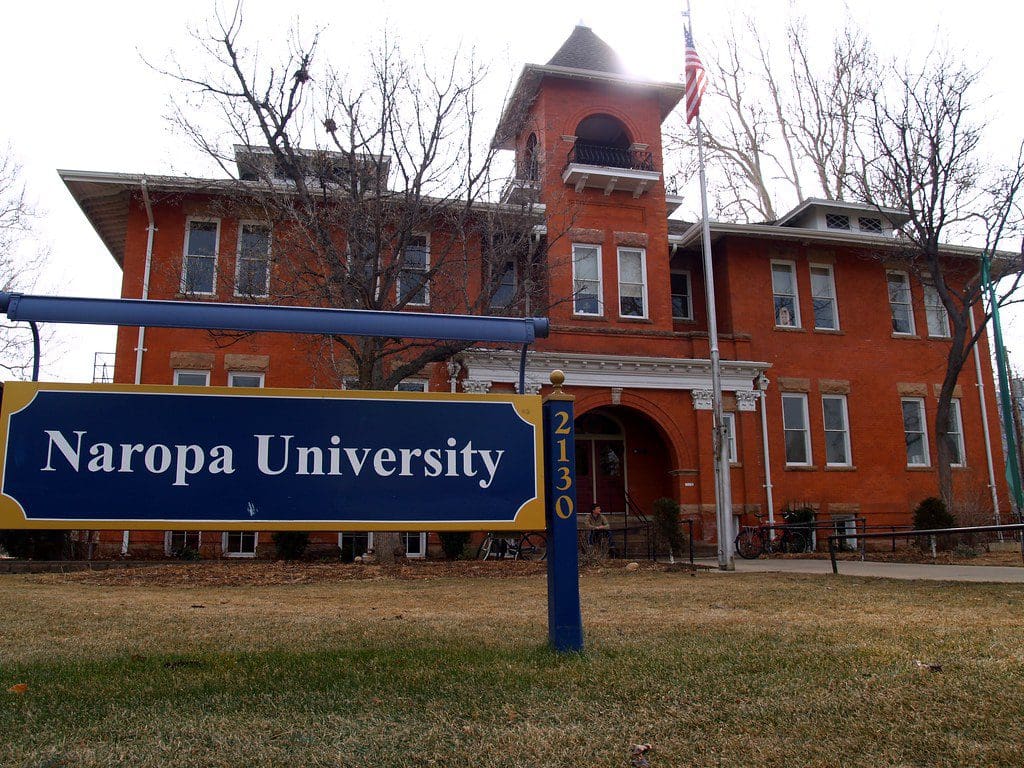
Over time, Boulder also emerged as a hub for innovation and technology. Today, it’s home to top startups, renowned federal labs like NOAA and NIST, and thriving industries in aerospace, biotech, and software development.
From gold pans to clean tech, Boulder has never stopped evolving.
A Living Legacy
Walk through the historic Mapleton Hill neighborhood, stroll along Pearl Street Mall, or hike Chautauqua Park, and you’ll feel the layers of history beneath your feet. Boulder is a city that honors its past while always looking ahead — a place where old mining cabins and 21st-century solar homes coexist in harmony.

Boulder’s history is more than just dates and milestones — it’s the story of a community that dared to be different and continues to inspire the world.