The Sun: Our Local Star and Lifeline
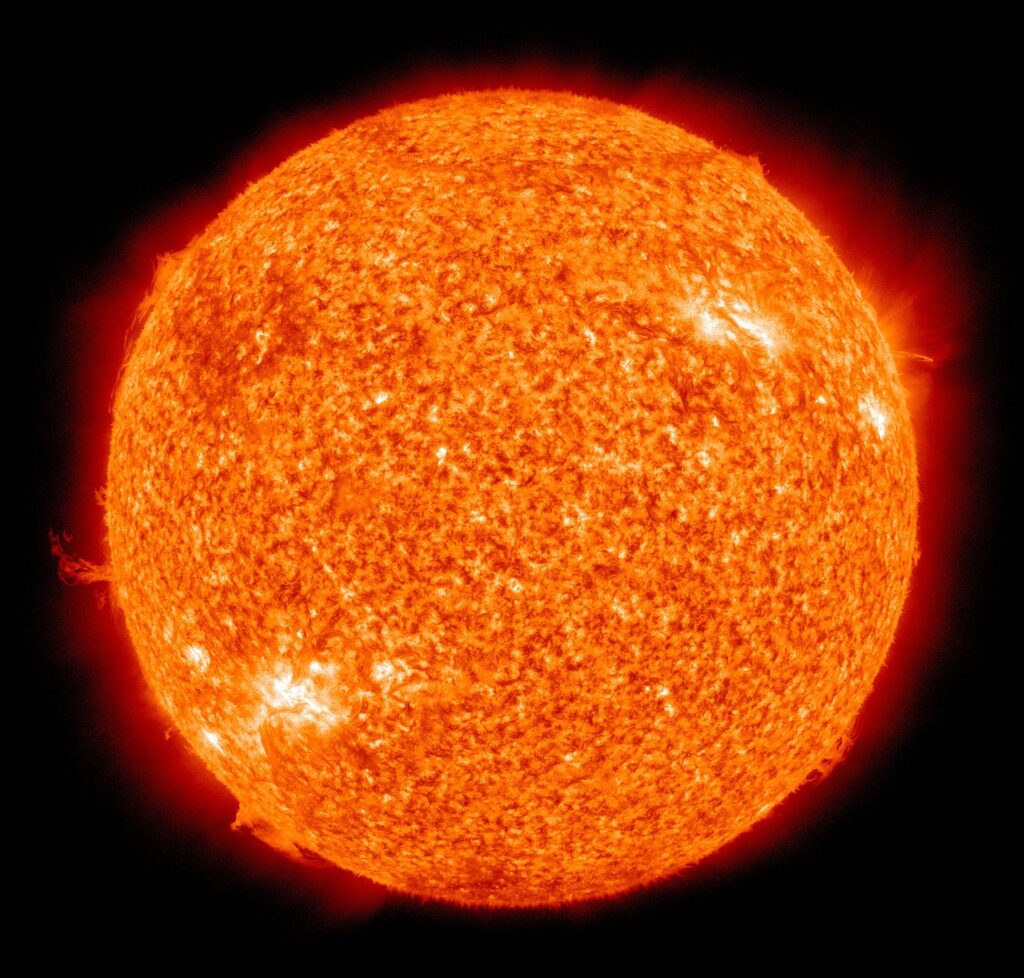
When we think about the cosmos, the Sun often gets overshadowed by the allure of distant stars, planets, and the mysteries of the universe. But this glowing sphere of plasma, positioned 93 million miles away, is not just another star—it’s our star. The Sun is the beating heart of the solar system and the engine driving life on Earth.
The Sun: A Stellar Giant with a Familiar Glow
Accounting for a staggering 99.86% of the solar system’s mass, the Sun exerts a gravitational pull that holds planets, comets, and asteroids in their orbits. It’s a G-type main-sequence star (or yellow dwarf), relatively small compared to other stars in the galaxy, but monumental to us. Its immense energy output—radiating heat and light—fuels everything from photosynthesis to weather patterns.
Did you know? The Sun’s energy comes from nuclear fusion in its core, where hydrogen atoms combine to form helium, releasing vast amounts of energy that take millions of years to reach the surface before traveling to Earth in just eight minutes.

The Sun and Earth: A Perfect Partnership
The Sun is the reason Earth is habitable. Its light drives photosynthesis, enabling plants to produce oxygen and food. Its warmth stabilizes the global climate, preventing our planet from being an icy wasteland or a scorched desert. Solar radiation interacts with Earth’s magnetic field, creating phenomena like the auroras, which enchant skygazers while reminding us of the Sun’s dynamic influence.
To learn more about Earth’s celestial partner, check out this article on the Moon, the Sun’s loyal dance partner in shaping life on Earth.
Solar Activity: A Double-Edged Sword
The Sun isn’t just a benign light source. Its surface boils with solar flares, coronal mass ejections (CMEs), and sunspots—dynamic phenomena that can influence life on Earth. While these activities often manifest as breathtaking auroras, they can also disrupt satellites, power grids, and communication systems.
Astronomers actively monitor the Sun’s 11-year solar cycle, a rhythmic pattern of activity that peaks with solar maximums. This period brings increased solar storms, an essential consideration for astronauts, satellite operators, and even those of us who rely on GPS.
The Sun in Culture and Science
Throughout history, the Sun has been venerated across cultures as a symbol of power, life, and renewal. From the Egyptian sun god Ra to the Aztec deity Tonatiuh, human civilizations have recognized the Sun’s life-giving force. Modern science continues this reverence by unraveling its mysteries, using tools like solar observatories and space missions to deepen our understanding.
Observing the Sun Safely
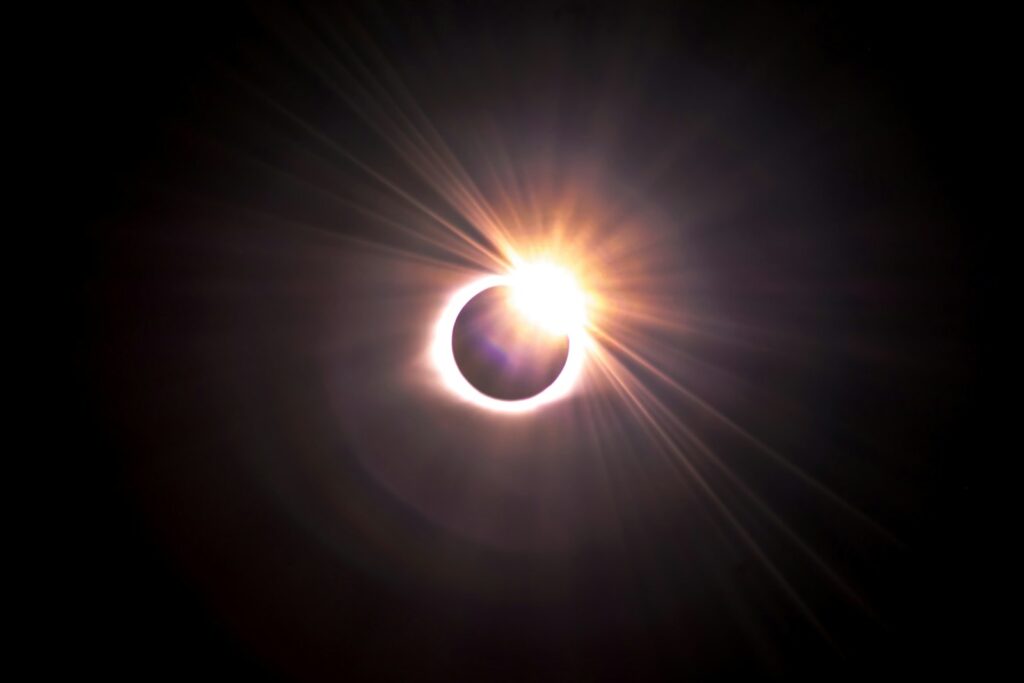
Unlike the Moon or the stars, the Sun requires extra caution during observation. Its intense brightness can cause permanent eye damage if viewed directly. To safely observe solar phenomena, use tools like solar telescopes, eclipse glasses, or filters specifically designed for sunlight. During solar eclipses, these precautions become especially critical for enjoying the view.
The Sun: Our Guiding Light
While stars in the night sky may be dazzling, the Sun is a constant, illuminating the path of humanity and sustaining life. Its energy is the very foundation of existence, and its mysteries are as captivating as any distant galaxy.
Want to explore the wonders of the Sun and beyond? Book a tour with AstroTours and experience the universe in a whole new light.
Learn more about the Sun and its celestial neighbor, the Moon, here. 🌞✨
Related
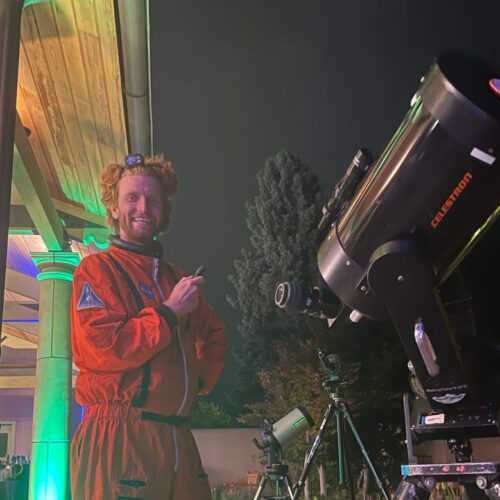
Luke Huxley is the founder of AstroTours.org and a passionate advocate for making astronomy accessible and exciting. A graduate in astrophysics from the University of Colorado, Luke combines his scientific background with storytelling to craft unforgettable stargazing experiences. He’s traveled the globe for astronomy, including a stint working with "Space Gandalf" in Australia which inspired him to start AstroTours.org. Luke hosts astronomy programs weekly just outside of boulder where he takes guests on a guided astronomy tour across the universe.