West Nile Virus in Boulder: What You Need to Know to Stay Safe This Summer
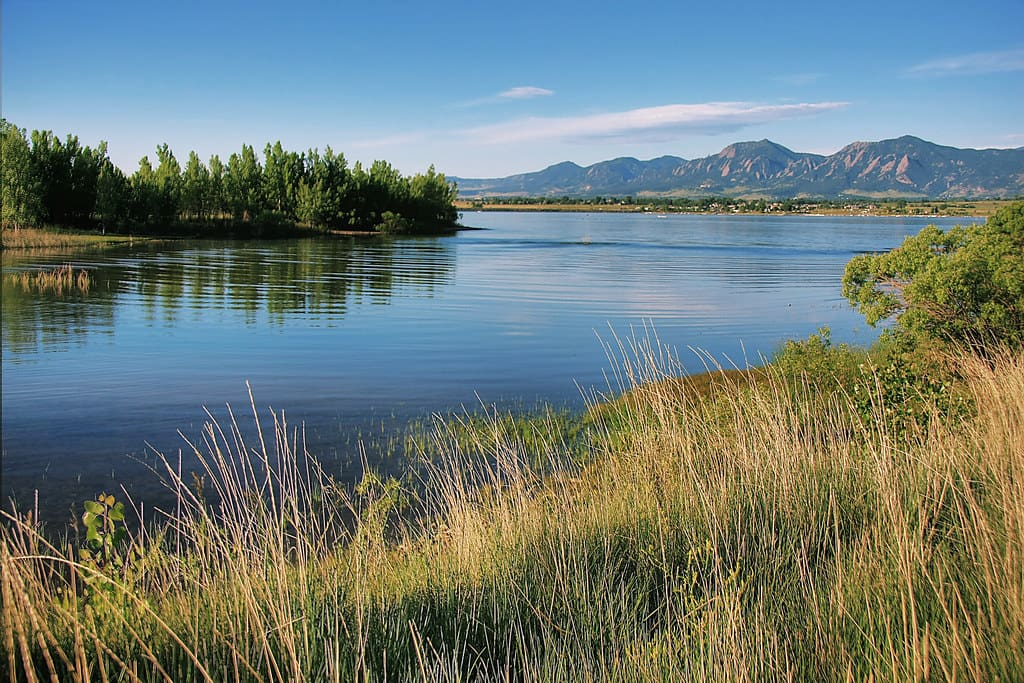
Boulder Reservoir
Summer in Boulder means early morning hikes up Mount Sanitas, paddleboarding at Boulder Reservoir, tubing down Boulder Creek, and evenings spent dining outdoors beneath Colorado’s spectacular sunsets. It also means mosquito season has arrived, bringing with it the annual reminder to protect yourself from West Nile virus.
While mosquitoes are simply part of summer in Colorado, a few smart precautions can dramatically reduce your risk of infection without keeping you indoors. By understanding how West Nile virus spreads and following a handful of simple prevention strategies, you can continue enjoying everything that makes a Boulder summer so special.
What Is West Nile Virus?
West Nile virus (WNV) is a mosquito-borne illness that has been present in Colorado for more than two decades. Mosquitoes become infected after feeding on birds carrying the virus and can then pass it to humans through their bites.
Fortunately, most infections are mild—or produce no symptoms at all.
About 80 percent of people infected with West Nile virus never become sick. Roughly one in five develops mild symptoms that may include:
- Fever
- Headache
- Body aches
- Fatigue
- Nausea
- Vomiting
- Swollen lymph nodes
- Skin rash
Most people recover fully within several days to a few weeks.
In fewer than one percent of cases, however, West Nile virus can affect the brain or nervous system, leading to serious conditions such as meningitis or encephalitis. Older adults—particularly those over age 50—and people with weakened immune systems or chronic medical conditions such as diabetes or hypertension are at greater risk for severe illness.
There is currently no vaccine or specific antiviral treatment available for humans, making prevention the best protection.
Why Boulder Residents Should Stay Alert
Boulder County’s beautiful outdoor spaces can also create ideal mosquito habitat.
Areas that commonly attract mosquitoes include:
- Boulder Reservoir
- Coot Lake
- Wonderland Lake
- South Boulder Creek
- East Boulder irrigation canals
- Wetlands and ponds throughout the county
Mosquitoes are especially active after rainfall or irrigation, and activity generally peaks from July through September.
Fortunately, Boulder County and local mosquito control programs actively monitor mosquito populations and use environmentally targeted larvicides to reduce mosquito breeding before adults emerge. These treatments help lower mosquito numbers while minimizing impacts on other wildlife.
Even with community mosquito control efforts, personal protection remains your best defense.

Coot Lake
Know the Warning Signs
If you’ve spent time outdoors and develop flu-like symptoms—especially during mosquito season—pay attention to how you’re feeling.
Contact your healthcare provider if you experience:
- High fever
- Severe headache
- Neck stiffness
- Confusion
- Muscle weakness
- Difficulty walking
- Vision changes
Prompt medical care is particularly important for higher-risk individuals and anyone experiencing neurological symptoms.
The 4 Ds: Colorado’s Best Mosquito Defense
Health officials across Colorado recommend remembering the 4 Ds to reduce mosquito bites.
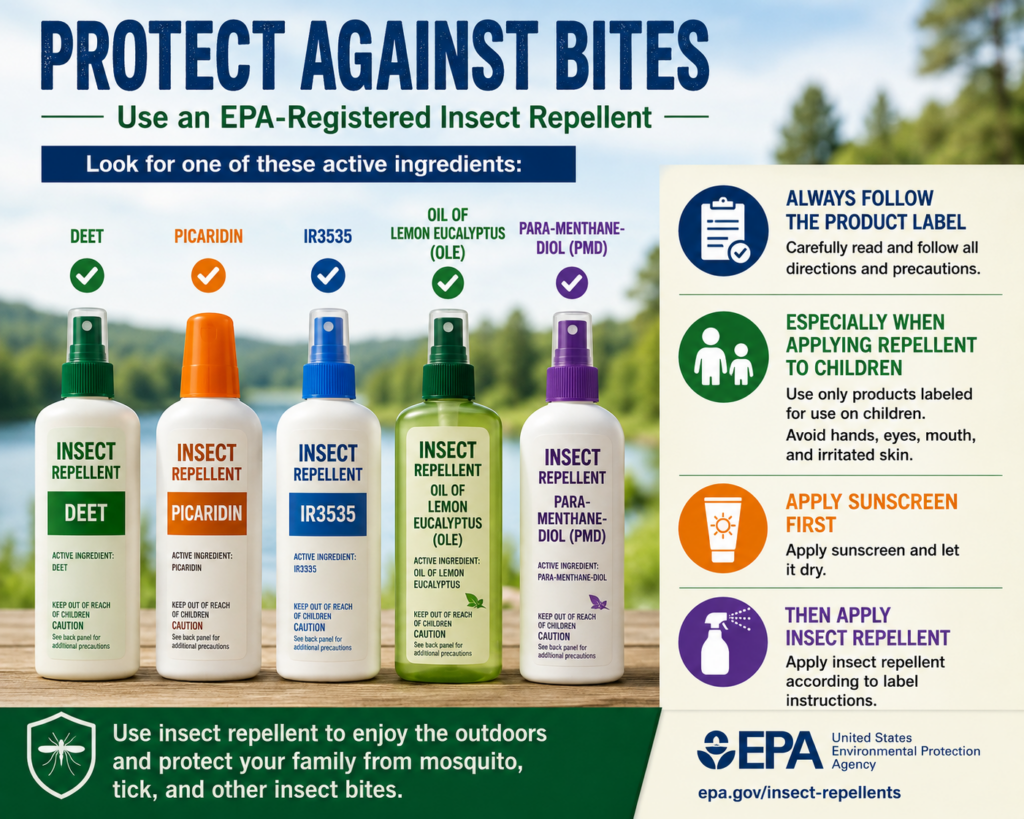
DEET (or Another EPA-Registered Repellent)
Use an EPA-registered insect repellent containing:
- DEET
- Picaridin
- IR3535
- Oil of Lemon Eucalyptus (OLE)
- Para-menthane-diol (PMD)
Always follow the product label carefully, especially when applying repellent to children. Apply sunscreen first, then insect repellent.
Dress for Protection
Lightweight long sleeves, long pants, socks, and light-colored clothing provide an extra barrier against mosquito bites without making outdoor activities uncomfortable.
Dusk and Dawn
The mosquitoes most likely to spread West Nile virus are generally most active around sunrise and sunset.
If possible:
- Schedule outdoor activities earlier or later in the day.
- Use window screens to keep mosquitoes outside.
- Spend evenings in screened or air-conditioned areas when practical.
Drain Standing Water
Mosquitoes need very little water to reproduce.
At least once each week, empty standing water from:
- Birdbaths
- Flowerpots
- Buckets
- Children’s toys
- Wheelbarrows
- Pet water bowls
- Pool covers
- Gutters and clogged drains
Even a small amount of standing water can produce large numbers of mosquitoes.
Extra Tips for Enjoying Boulder Outdoors
Whether you’re hiking Chautauqua, biking along Boulder Creek Path, fishing, paddleboarding, or walking your dog, a few additional habits can make summer even more enjoyable.
- Apply insect repellent before leaving home.
- Stay on established trails whenever possible.
- Avoid lingering near wetlands and standing water during peak mosquito hours.
- Wear lightweight protective clothing during evening walks.
- Refresh your dog’s water frequently and avoid peak mosquito activity whenever practical.
If you notice unusually large areas of standing water that could become mosquito breeding sites, report them to local officials so they can be evaluated.
Enjoy Boulder Summer with Confidence
West Nile virus is a seasonal reality in Colorado, but it shouldn’t stop anyone from enjoying Boulder’s incredible outdoor lifestyle.
From morning hikes beneath the Flatirons to afternoons at Boulder Reservoir and evenings strolling along Pearl Street, simple prevention measures can significantly reduce your risk while allowing you to enjoy the season safely.
The key is consistency. A little insect repellent, appropriate clothing, avoiding peak mosquito hours when possible, and eliminating standing water around your home all go a long way toward protecting yourself, your family, and your neighbors.
Summer in Boulder is one of the most beautiful times of the year. By following the 4 Ds and staying aware, you can spend less time worrying about mosquitoes and more time enjoying everything that makes Boulder such an extraordinary place to live and visit.