
What Is the Legal Checklist for Hunting Near Boulder?
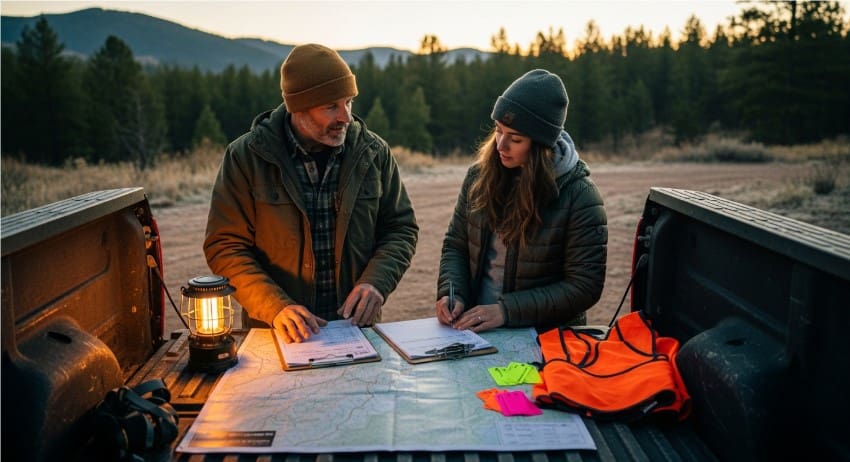
A license is only part of it. Land access and current season rules matter just as much near Boulder. Hunting near Boulder is legal in the right spots, and only if you’ve checked the basics before you go. The checklist starts with your Colorado license, hunter education, season dates, carcass tag, clothing rules, and land access.
Around Boulder, that last part trips up newcomers. Figure out exactly whose land you’re standing on before you pack the truck.
Where Can You Actually Hunt Near Boulder?
“Near Boulder” doesn’t automatically mean legal hunting access
Don’t assume City of Boulder Open Space and Mountain Parks is open to hunting. In Boulder County, “open space” and “public land” aren’t synonyms for “hunt here,” and the rules shift from one property to the next.
State Wildlife Areas and some National Forest or BLM parcels may allow hunting, but only under specific rules. Public land access and user conflicts are live local issues. Boulder County recently scrapped a trail-use pilot after opposition from mountain bikers over how land gets shared.
That fight was about hikers and bikers, not hunters. Still, it shows why open land isn’t interchangeable. Plenty of the land around Boulder that looks public actually runs on management plans and access rules that have nothing to do with the state and federal hunting units most newcomers picture when they hear “open space.” Verify the land manager and the parcel boundaries before you go. GPS apps help, but they don’t replace the official county or state regulations.
What Do Colorado Hunters Need Before They Hunt?
License and hunter education basics
All hunters are required to hold an active Colorado hunting license. State regulations mandate that individuals born on or after January 1, 1949, successfully finish an approved hunter education program before purchasing or applying for licensing. Evidence of completion must be carried in the field at all times unless hunter safety status is printed directly on the license.
Carcass tags and possession rules
Big game licenses usually come with a carcass tag. Sign it and attach it to the animal exactly the way the law spells out. Tagging mistakes are one of the more common things officers cite in the field.
The CPW brochure lays out the timing and transport rules, and the current wording governs how the animal has to be handled before it goes in your vehicle.
Before you leave home, run through the basics:
- Your license matches the exact species and unit for this season
- Your hunter education requirement is satisfied
- You know the legal start and end dates
- Your carcass tag is ready, and you know when to attach it
- You have written permission if private land is involved
- Your map clearly shows legal hunting boundaries
- You’ve checked current fire restrictions and closures
What Clothing and Season Rules Matter Most?
Blaze orange or fluorescent pink requirements
Fluorescent orange or fluorescent pink requirements vary by species and season.
The rules also shift with your method of take. A bowhunter in an archery-only season isn’t held to the same standard as someone carrying a rifle in a combined season.
Season dates and legal methods
Seasons depend on both the species and where you’re hunting. Weapon restrictions layer on top of that, setting when and where you can go out. Rifle and muzzleloader seasons run on a different calendar than archery, each with its own legal definition. Different weapon, different rulebook.
Bag limits and legal methods can change from one year to the next. What was legal last fall might earn you a citation this fall.
New furbearer limit in Colorado
The Colorado Parks and Wildlife Commission recently updated its rules on furbearer harvest, and small-game hunters should note the change. Recent reporting puts the new limit at two animals per species per day, across the 17 species the state classifies as furbearers.
Don’t assume these harvests are still unlimited. Confirm the final number in the newest CPW small game and furbearer brochure before you head out.
What Land Access Mistakes Get Hunters in Trouble?
Private land permission isn’t optional
Fence lines and unmarked corners are where trespass problems usually start.
That matters in the patchwork of ownership around Boulder. The Front Range is crowded, and a boundary line isn’t always obvious from a county road.
Fire restrictions and emergency closures can change fast
Fire restrictions can shut down access and shooting almost overnight, closing whole areas with little notice. Boulder County trailheads recently closed early over elevated fire risk. Drought and severe weather drive a lot of these decisions.
Fire conditions have gotten bad enough in recent seasons that CPW has reviewed hunting license options in parts of the state, which means an open season on paper can still meet a closed gate at the trailhead. So check access before you commit to the drive.
If You Hire a Guide, What Are You Still Responsible For?
A guide doesn’t erase the hunter’s legal duties
Even with a guide, you’re still personally on the hook for the right license and the season rules. You have to tag correctly and hunt only where it’s legal, with a legal method of take. Don’t assume the guide is handling all of that for you.
Pull the trigger on the wrong side of a property line, and you’re the one holding the citation.
Guides and outfitters may have separate legal duties
Paid guides and outfitters carry their own licensing and compliance under Colorado’s professional oversight rules. They may also owe clients a duty of care around safety and supervision. That’s a separate legal question from whether the hunter followed CPW rules.
That split is where first-time clients get confused. For a plain-English breakdown of the Colorado hunting legal responsibilities on both sides, including guide licensing, waivers, duty of care, and injury claims, this resource lays it out.
The Smartest Move Is Checking the Map Before the Trigger
Legal hunting near Boulder starts with knowing exactly where you are. Regulations shift year to year, so the official land-manager notices are worth a look before every trip.
Near Boulder, the mistake that catches people is the ground under their boots, not the equipment on their back. A license gets you started, but not much further. What matters is whether the land and the season line up before you head out.