
What Is the Polar Vortex, and What Does It Mean for Colorado?
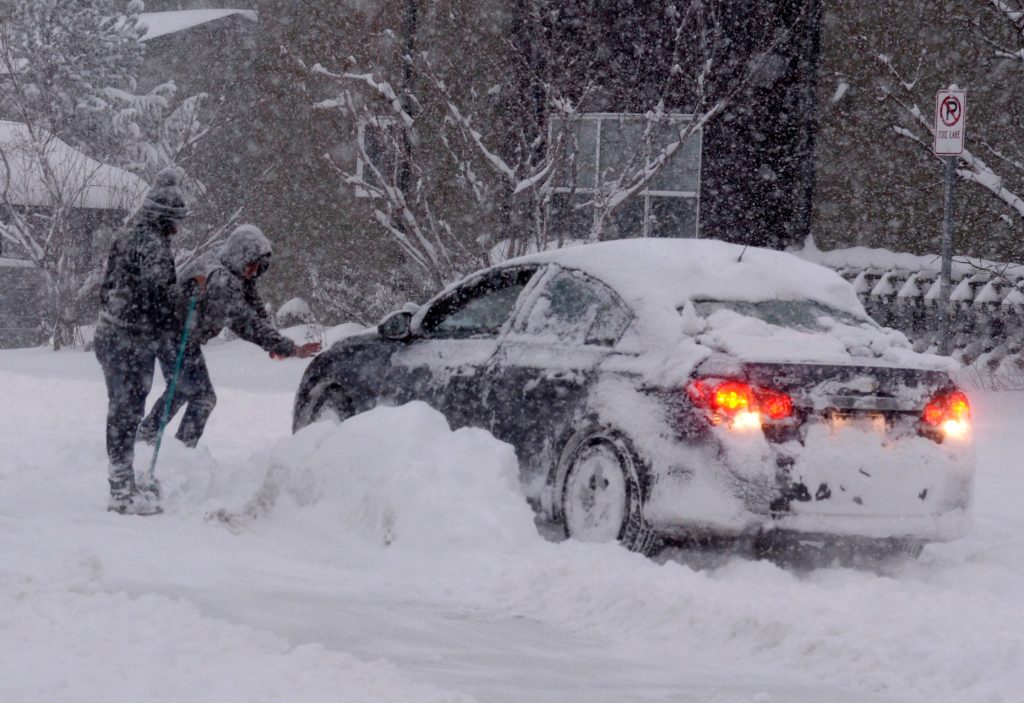
There is a lot of misunderstanding surrounding what the polar vortex is and how it affects our weather. It is further complicated by a lack of consensus in the scientific community, but that’s nothing new, right?
In simple terms, the polar vortex is a swirling mass of icy cold, low-pressure air that stays over the polar regions during winter. The polar vortex is not a single weather event, but a large circulation of cold air with two distinct parts at different altitudes.
It’s not a new thing, like a vortex has suddenly appeared above us like a Star Trek episode. It’s always present, but we don’t experience it directly because it is an atmospheric phenomenon occurring high up in the stratosphere. 10 to 30 miles (16 to 50 kilometers) above us, in fact.
In a domino effect, when the polar vortex is weakened or disrupted, it can then disrupt the polar jet stream ( a strong band of strong winds lower in the atmosphere, 5-7 miles above us). In turn, the jet stream weakens, becomes erratic and wavy, and allows that freezing arctic air to reach us, bringing unexpected cold snaps.
In an interview with LiveWire, a group of scientists at the forefront of investigating this phenomenon created a creative metaphor for the disruption in the polar vortex. They explained the vortex as a figure skater, throwing out their arm now and then while spinning to keep their balance.
Unfortunately, the skater is throwing out their arm in a way that affects North America, Asia, and Europe.
How Does Global Warming Make Parts of the US Colder?
Global warming can destabilize the polar vortex. The Arctic is warming faster than the rest of the world in a process known as Arctic amplification, which can weaken and make the polar vortex more erratic.
When the vortex is strong and stable, it acts like a barrier, keeping the icy Arctic bottled up around the North Pole. However, Arctic warming is weakening and disrupting the polar vortex, breaking the barrier and allowing sections of the icy polar air to break off and drift southward to North America.
That’s why even though the world may be warming, we can still have sudden and extreme cold snaps right here in Colorado.
So, Is It Going to Get Worse?
Well, there’s good news and bad news. The good news is that these erratic weather events are on the decline, according to several studies. Scientists believe that arctic amplification may enhance the weather patterns that are disrupting the polar vortex, which could increase the intensity of these events. So?
Prepare Your Home for Snow
Stay up to date with weather services and be aware of any storm warnings; prepare yourself for the unexpected. There are several measures you can take to ensure your home is safe from sudden snowstorms.
- Insulate your pipes and seal up any drafts
- Double-check your heating systems, your fireplace, and your chimneys
- Install carbon monoxide detectors
- Exterior Home Precautions
- Insulate any exposed pipes and water tanks with foam pipe insulation if they are exposed to cold air.
- Clear your gutters to prevent ice dams, which may cause water seepage under the roofline.
- Check your roof tiles, and make sure any foundation vents are covered
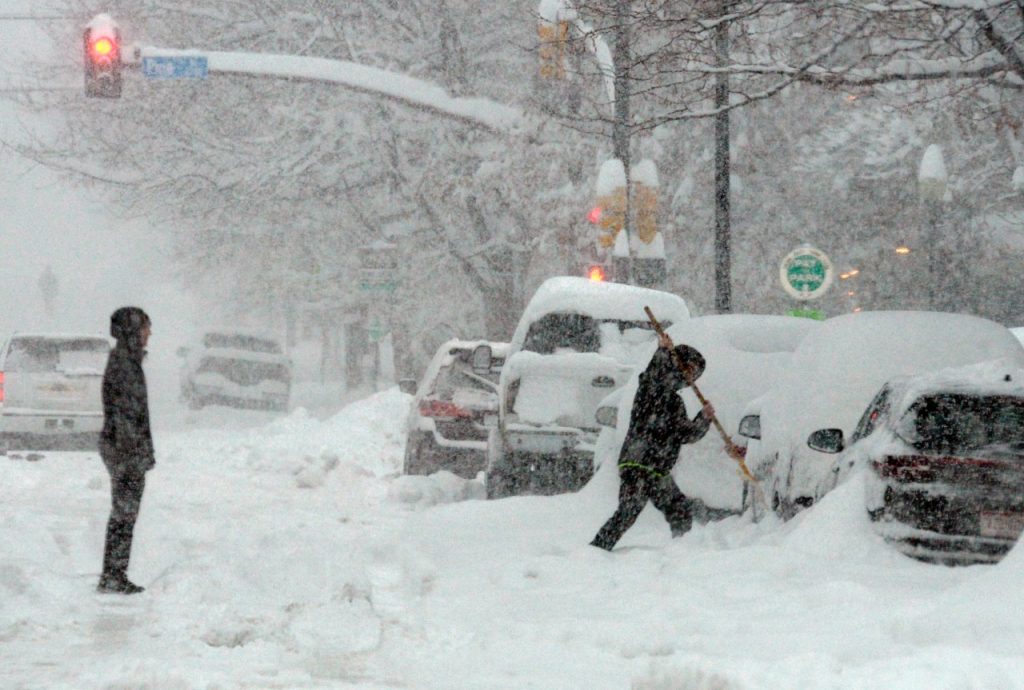
Keep Your Property Clear of Ice and Snow Build-Up
Act Promptly Rather Than Wait
Clear snow as soon as it is safe to do so. The longer the delay, the more likely it will compact into ice. Keep your roof from snow accumulation, which can damage the structure. For flat roofs, you may use a shovel, being careful not to damage the roof tiles or covering. For sloped roofs, invest in a roof rake.
Ensure You Have Efficient Snow Clearing Tools
Invest in a comfortable and ergonomic snow shovel if you are fit and physically able to perform the intensive manual labor. Otherwise, consider buying a high-quality snow-blower and ensure it is properly maintained.
If you have the budget, consider investing in a compact tractor. Compact tractors are small but powerful and are highly maneuverable and versatile. Their small size allows you to store them in a garage or shed, and they have several attachments to help you weather the snow.
- Snow Plow Blade: A snow blade for a compact tractor allows you to push snow off driveways, roads, and parking areas, and you can adjust the blade to change the angle of the plow to direct the snow where you want to push it.
- Snow Blower: The snow blower attachment is for heavier snowfall, and it works by sucking up the snow and expelling it out of a chute.
- Front-End Loader with Snow Bucket: Great for lifting and moving heavy, wet snow in a scoop-like motion. It also allows for height, allowing you to stack snow or clear snow from elevated areas.
- Rear Snow Blade: Allows you to move ice to the side either moving forward or in reverse.
Take Preventative Action
- Apply ice melt before a storm if you get the chance, because it makes a brine solution that keeps ice from bonding to surfaces like walkways or roads.
- Use heated driveway mats to keep surfaces free from accumulated snow.
Conclusion
As global warming advances, we will be faced with increasingly unexpected weather events. And as bizarre as it sounds, one of these effects is sudden cold snaps right here in Colorado.
Instead of wasting energy worrying, ensure that you are prepared for any eventuality.