Why Boulder Produces So Many Musicians: Boulder Music Scene 2026
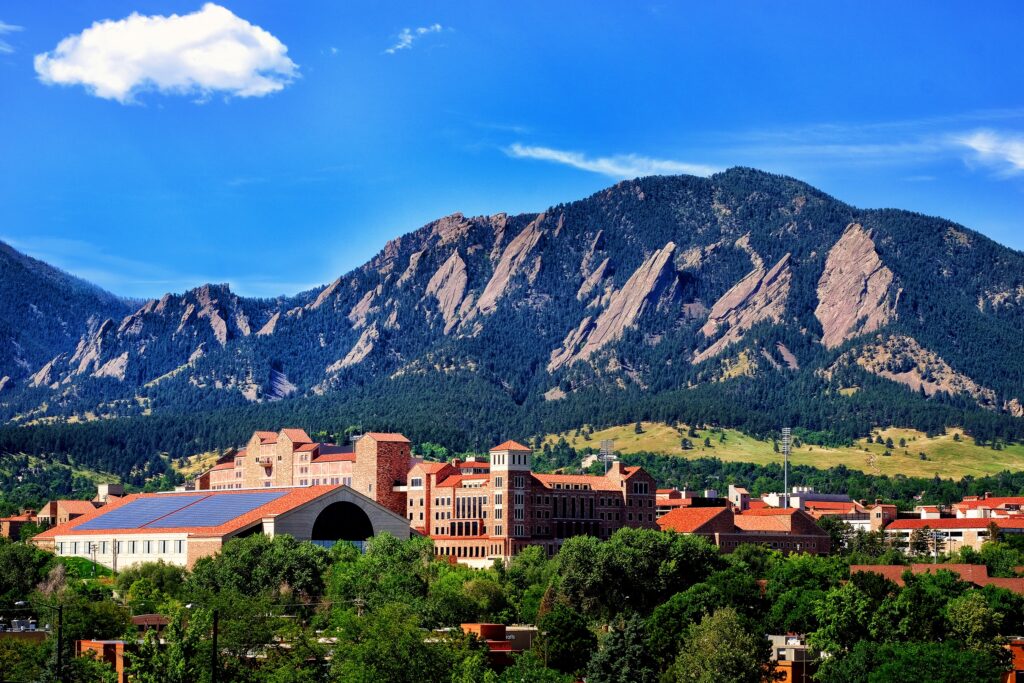
Boulder, Colorado has never been just another college town. Set against the Flatirons and powered by a mix of academic energy, outdoor living, and creative independence, Boulder continues to produce an outsized number of musicians for a city of its size.
While major metro areas often dominate headlines, Boulder’s music influence has been quietly consistent for decades. From nationally touring rock acts to bluegrass innovators, classical performers, and electronic producers, the city’s creative ecosystem runs deeper than many realize.
So why does Boulder keep producing musicians?
1. The University of Colorado’s Music Influence
The University of Colorado Boulder plays a major role in shaping the city’s creative pipeline. CU Boulder’s College of Music is a nationally recognized institution offering performance, composition, jazz studies, and music education programs.
Students aren’t just studying theory — they’re performing regularly, collaborating across disciplines, and integrating music with technology, film, and media. The presence of a large student population also creates built-in audiences for emerging artists.
College towns often generate creative energy, but CU Boulder’s emphasis on both classical excellence and contemporary experimentation makes it a serious incubator for talent.
2. Legendary Local Venues That Support Artists
Boulder’s music scene thrives because it has physical spaces that consistently support live performance.
- Fox Theatre – A longtime staple near campus that has hosted both local artists and national touring acts for decades.
- Boulder Theater – A historic downtown venue that attracts mid-size touring artists while still spotlighting Colorado talent.
- Chautauqua Auditorium – Known for hosting the Colorado Music Festival and diverse touring performers in a historic mountain setting.
- Roots Music Project – A nonprofit community venue focused on artist development, collaboration, and grassroots music growth.
These aren’t pop-up spaces. They’re institutions. That stability gives musicians places to grow.

3. Outdoor Culture Fuels Creative Output
There’s something about Boulder’s environment that feeds artistry.
Long trail runs, sunrise hikes, creek walks, and mountain views create mental space for songwriting and reflection. Many musicians cite nature as a catalyst for creativity, and Boulder offers that daily.
Unlike larger cities where artists may feel overwhelmed by noise and pace, Boulder’s rhythm allows musicians to create without burnout. The balance between activity and stillness matters.
4. Proximity to Denver Expands Opportunity
Boulder benefits from being close to Denver — a much larger touring market with major venues like Red Rocks Amphitheatre and a robust regional music circuit.
Artists based in Boulder can:
- Develop locally
- Build audiences in Denver
- Tap into a broader Colorado touring network
This hybrid positioning gives Boulder musicians access to scale without sacrificing community.
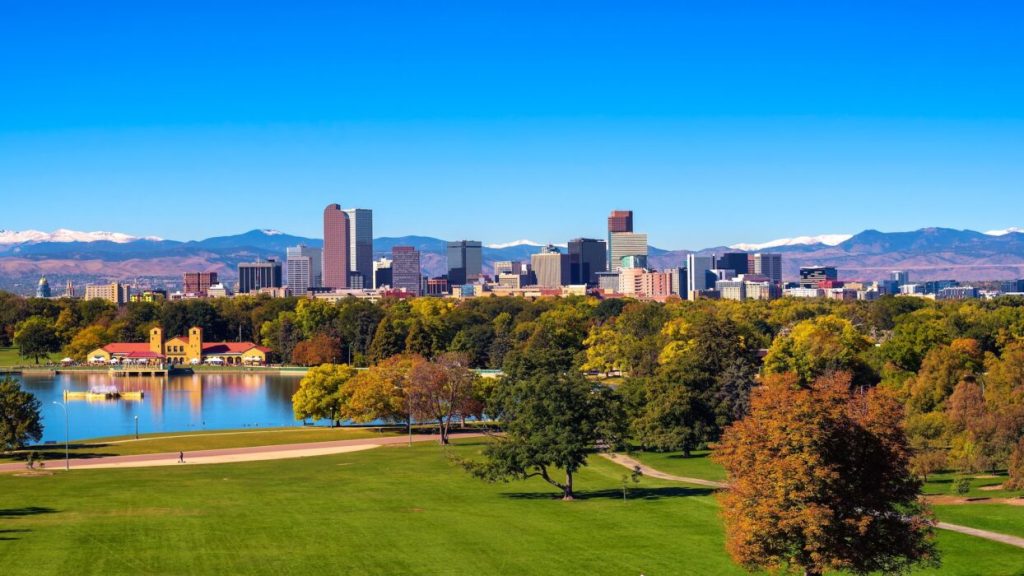
City skyline of Denver Colorado downtown with snowy Rocky Mountains and the City Park Lake.
5. A History of Independent Spirit
Boulder has long attracted entrepreneurs, creatives, and unconventional thinkers. That mindset extends to music.
Rather than chasing mainstream trends, many Boulder musicians build niche followings rooted in authenticity — whether that’s jam bands, folk storytelling, experimental electronic, or orchestral composition.
It’s less about chart dominance and more about sustainable artistry.
6. Community Over Competition
Unlike larger cities where artists may compete aggressively for limited stage time, Boulder’s music culture tends to emphasize collaboration.
Open mics, shared bills, nonprofit venues, and student showcases create opportunities for cross-pollination. Musicians frequently play in multiple projects across genres.
That collaborative atmosphere accelerates growth.
Boulder’s Sound Is Bigger Than Its Population
For a city of just over 100,000 residents, Boulder’s musical footprint is disproportionate. The combination of higher education, stable venues, outdoor inspiration, and regional access creates a uniquely fertile creative environment.
The result?
A steady stream of musicians who carry Boulder’s influence far beyond the Flatirons.
Boulder doesn’t need to dominate national headlines to matter. Its impact is quieter, steadier, and deeply rooted in community.
And in 2026, that ecosystem remains very much alive.